property
Berlin Renters Flee Expensive Areas as Rents Exceed €15 Per Square Metre
As rents across the capital surge past €15 per square metre, savvy renters are quietly relocating to emerging pockets offering better value-but how long will they stay affordable?
Listen in English · 4 min
How we reported this
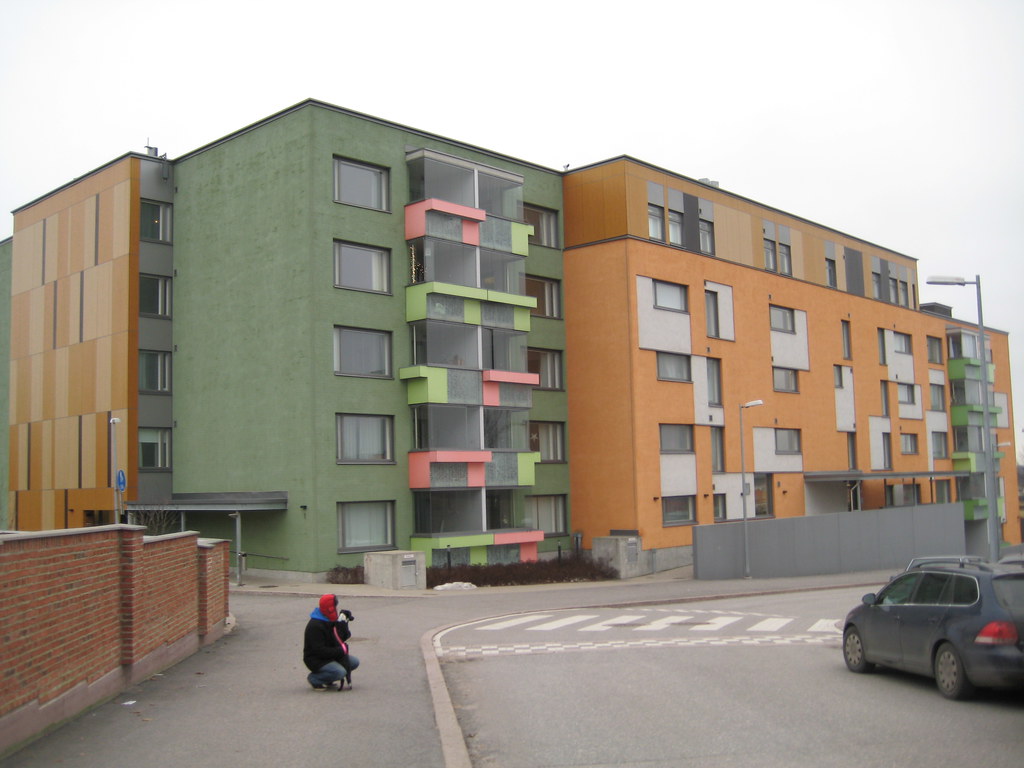
Berlin's rental market continues its relentless climb, with average rents now reaching €15.20 per square metre across the city-a stark reality for tenants seeking affordable housing in Germany's most dynamic capital. Yet beneath the headline figures lies a more nuanced story of geographical winners and losers, where neighbourhood choice increasingly determines whether renters can stay afloat financially.
The disparity is striking when you examine individual precincts. In Prenzlauer Berg, once a bohemian haven for young professionals, rents have surged to €18.50 per square metre, pushing many long-term residents toward the exits. Similarly, Friedrichshain's riverside charm now commands €16.80 per square metre-rates that would have seemed unimaginable just three years ago. Kreuzberg remains marginally more accessible at €14.40, though even here, incremental monthly increases are pricing out students and creative workers.
However, astute renters are discovering pockets of relative affordability in Berlin's outer rings. Köpenick, on the city's southeastern edge, remains a bargain at €11.50 per square metre, while Lichtenberg offers similar advantages at €12.10. These neighbourhoods, traditionally overlooked by wealthier expatriates and investors, are attracting young families and remote workers willing to trade shorter commute times for substantially lower housing costs.
The investor community shows little sign of slowing their acquisition pace. Commercial data from Q1 2026 indicates that buy-to-let investors are particularly active in transitional areas-suburbs with improving transport links and emerging hospitality scenes. Mahlsdorf and Biesdorf, previously considered unglamorous, are experiencing heightened interest as savvy portfolio managers recognise their long-term value potential.
Local authorities face mounting pressure to intervene. Berlin's recent policy discussions have focused on rent-control mechanisms and affordable housing quotas in new developments, yet implementation remains patchy. Meanwhile, new construction continues to favour premium developments in established affluent zones rather than genuinely affordable stock in outer boroughs.
For prospective renters, the message is clear: flexibility matters. Those willing to embrace longer commutes to Spandau or Reinickendorf can still find family-sized apartments for under €1,500 monthly. But for anyone prioritising walkable neighbourhoods with established cultural scenes, expect to allocate 40-45% of household income to rent alone.
The real question isn't whether Berlin remains affordable-it largely doesn't-but rather which neighbourhoods will maintain their character as prices inevitably continue climbing.
This article is general information only and is not personal financial or investment advice. Consider your own circumstances and seek licensed professional advice before making financial decisions.