Berlin Rents Surge 12% as Landlords Price Out Residents
Across Kreuzberg, Friedrichshain and Charlottenburg, average rents have surged 12% year-on-year, forcing residents to reassess their future in the German capital.
Across Kreuzberg, Friedrichshain and Charlottenburg, average rents have surged 12% year-on-year, forcing residents to reassess their future in the German capital.
Berlin's rental market has entered a new phase of tension, with landlords increasingly aggressive on price increases and lease terms that are leaving long-term residents questioning whether they can afford to stay. New data reveals the extent of the challenge gripping the city's most sought-after neighbourhoods.
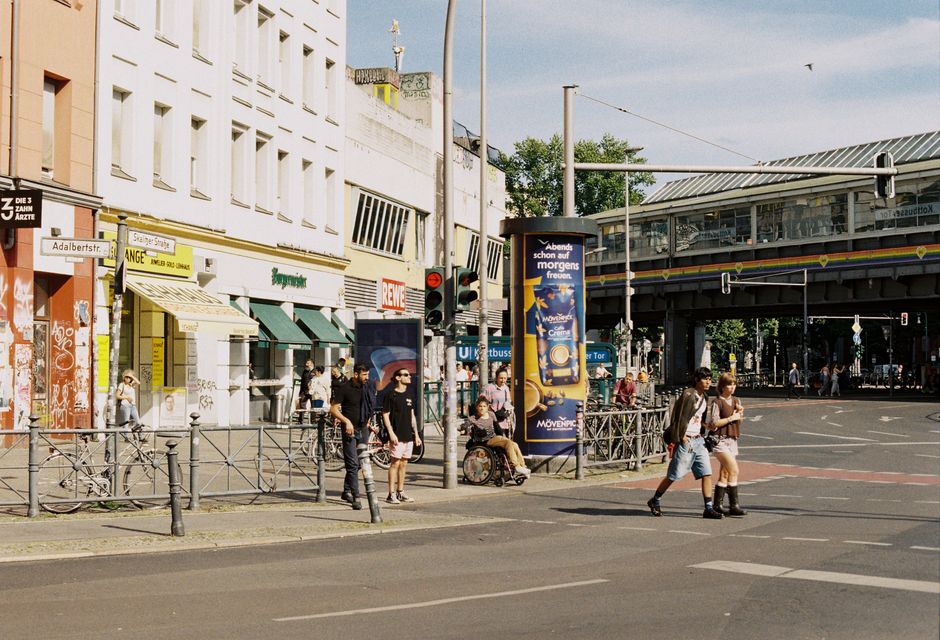
In Kreuzberg, where creative communities have long anchored the neighbourhood's cultural identity, average rents have climbed to €16.50 per square metre—a 12% jump compared to this time last year. Neighbouring Friedrichshain tells a similar story, with comparable properties now commanding €15.80 per square metre. Even Charlottenburg, traditionally positioned as the city's premium west-side address, has seen rents push past €17 per square metre as investors pivot toward the capital's established neighbourhoods.
What's particularly striking isn't just the headline figures—it's the pattern of escalation tactics. Property managers are bundling rent increases with stricter lease conditions, demanding guarantees that weren't previously standard. Multiple renters across Tempelhof and Neukölln report surprise clauses requiring explicit landlord permission before subletting, even on existing leases. Some landlords are conditioning lease renewals on acceptability of annual increases capped at inflation plus 2%, effectively locking tenants into predictable but relentless cost growth.
The pressure stems from Berlin's unique market dynamic. Unlike other major European capitals, Berlin maintained comparatively affordable housing well into the 2020s, creating pent-up investment demand. With new construction hampered by permitting delays and material costs, landlords facing rising property taxes and maintenance expenses see rent adjustments as inevitable.
Local real estate agents note a subtle but significant shift in buyer behaviour. First-time purchasers increasingly view ownership as the only path to housing security, driving modest apartment prices upward across Lichtenberg and Marzahn—traditionally affordable periphery zones now seeing 8% annual appreciation.
The situation echoes concerns rippling across Australia's rental markets, where landlord-tenant friction has intensified as supply constraints meet rising ownership costs. Berlin's experience suggests that without meaningful intervention—whether through construction acceleration or rent stabilisation measures—cities risk pricing out the very workers and communities that sustain their economies.
For now, many Berliners are making tough choices: accepting higher rents, relocating to outer districts with longer commutes, or reconsidering their long-term residency. The next 18 months will be critical in determining whether Berlin remains genuinely accessible or joins Europe's most expensive capitals.
This article was compiled by AI and screened before publishing. See our editorial standards.
How does this story make you feel?
Spread the word
About this article
Published by The Daily Berlin
Daily brief
Free, in your inbox before 7am. Weekdays.
More in Property