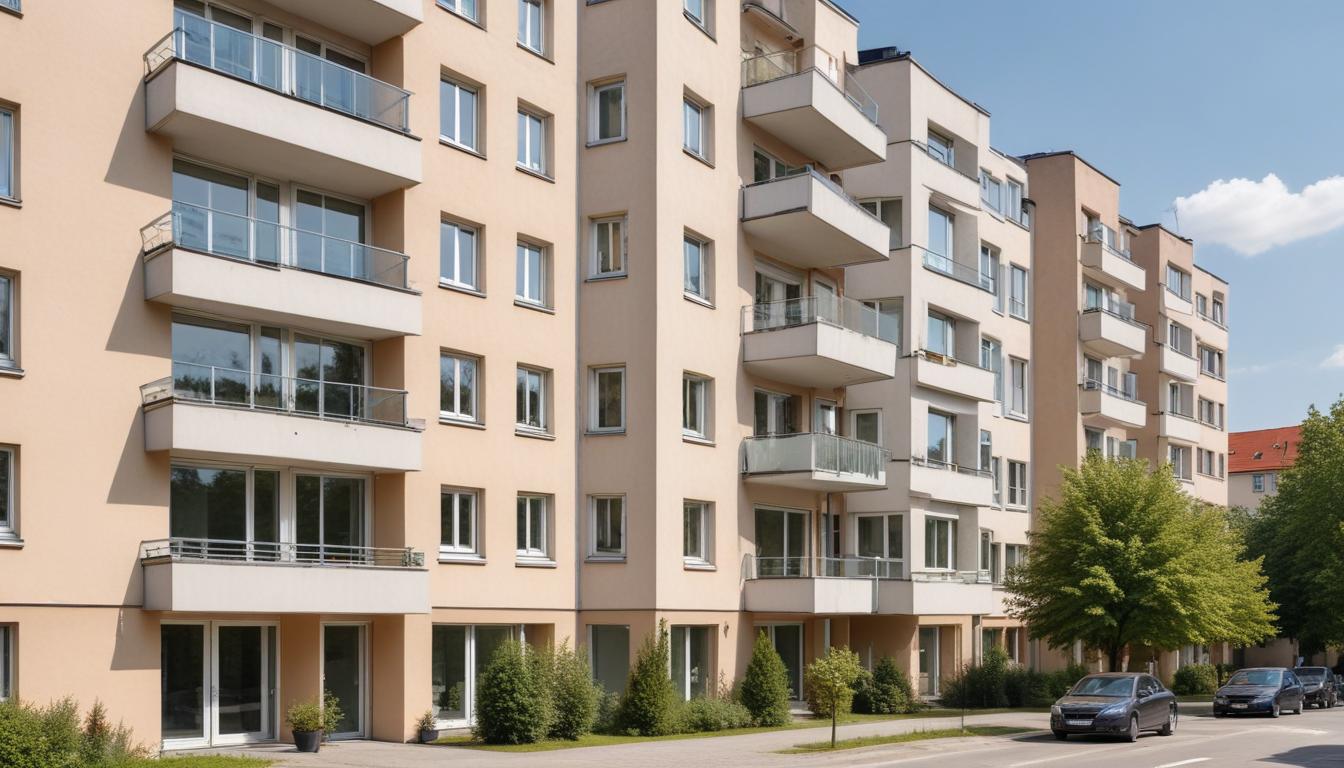
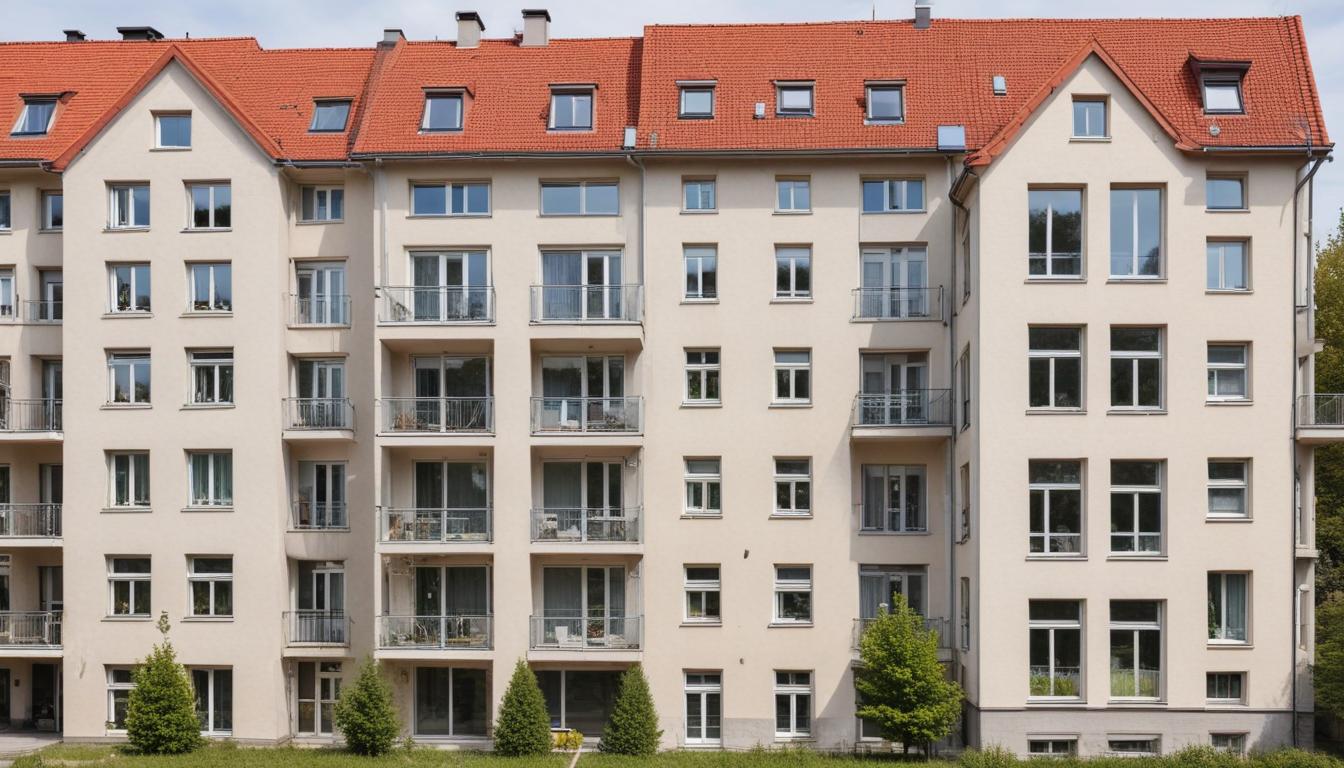
Berlin's property market is experiencing unprecedented momentum, with rental yields reaching levels not seen in over a decade. New data reveals that prime neighborhoods are commanding premium prices, reshaping the investment landscape for both domestic and international buyers.
Kreuzberg has emerged as the standout performer, with average rental prices climbing to €18.50 per square meter—a 12% increase from the same period last year. Properties along Kottbusser Damm and the surrounding streets have become particularly sought-after, driven by the neighborhood's thriving cultural scene and improved transport links. Property investors report that modest two-bedroom apartments in the area are now attracting monthly rents between €1,200 and €1,400, compared to €1,050 just eighteen months ago.
Friedrichshain isn't far behind, with RAW-Gelände and the Boxhagener Kiez subcategories pushing prices to €17.80 per square meter. The neighborhood's transformation from industrial hub to creative hotspot has proven irresistible to younger renters and investors alike, with vacancy rates hovering below 3%—critically tight by Berlin standards.
Even established areas like Charlottenburg and Wilmersdorf, traditionally reserved for wealthy families, are witnessing unexpected activity. Properties in these western quarters have stabilized around €16.20 per square meter after years of stagnation, suggesting that investment capital is finally broadening beyond the eastern districts.
Market analysts attribute the surge to several converging factors: limited new housing stock, remote work flexibility attracting professionals from across Europe, and genuine concerns about over-heating in other German cities. "Berlin remains absurdly affordable compared to Munich or Hamburg," notes property consultant Dr. Helena Steiner. "That fundamental gap is driving investor confidence."
However, the rapid price acceleration has triggered warnings from housing advocates. Local government representatives worry that the momentum could price out long-term residents and undermine Berlin's reputation as an affordable creative capital. Several district councils are revisiting rent control policies and accelerating affordable housing initiatives.
Despite concerns, transaction volumes remain robust. Real estate agents report inquiry levels 23% above the five-year average, with international investors accounting for roughly 18% of purchases—a historic high for Berlin. Properties listed in Kreuzberg and Friedrichshain are typically under offer within 14 days.
For prospective buyers, the message is clear: Berlin's window of relative affordability may be closing. Strategic investors are positioning themselves now, betting that the city's global profile will only continue climbing.
This article was compiled by AI from the sources linked above and screened before publishing. See our editorial standards.