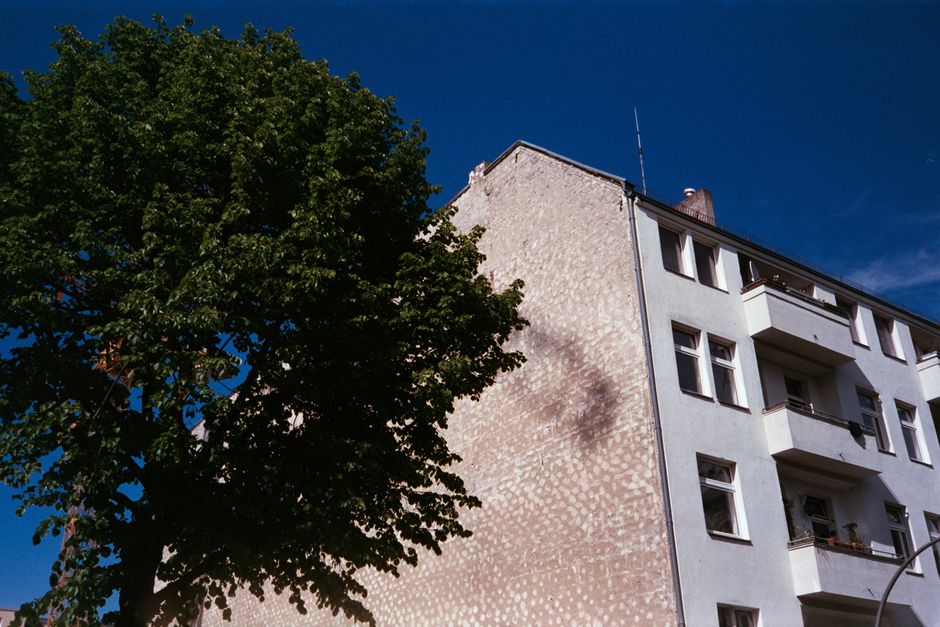
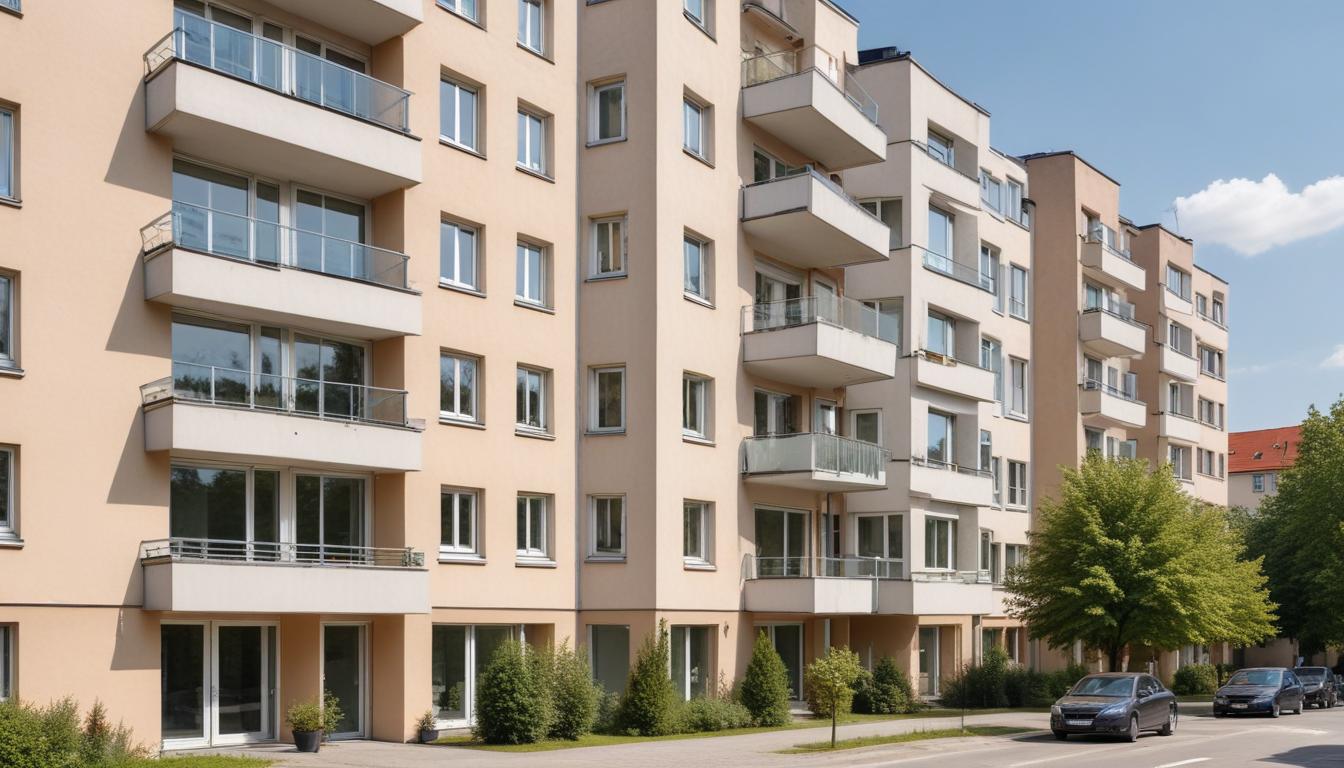
While Australian investors wrestle with rising mortgage stress and compressed rental yields, a quieter opportunity is emerging in Berlin's property market—one that's attracting increasing attention from international portfolios seeking stronger income returns.
The numbers tell a compelling story. Berlin's rental yields are currently hovering between 5-6% across prime residential areas, significantly outpacing major Australian capitals where yields have dipped below 3% in many established suburbs. For investors watching the Reserve Bank hold rates steady while Australian rental markets tighten, the contrast is stark.
The appeal is particularly strong in Berlin's most sought-after precincts. Charlottenburg-Wilmersdorf, the city's most affluent western district, is seeing consistent rental demand from professionals and expatriates, with two-bedroom apartments in converted townhouses commanding €1,200-1,500 monthly (approximately AUD $2,000-2,500). Prenzlauer Berg, long Berlin's creative heartland, continues to attract young professionals willing to pay premium rents for its village-like atmosphere and proximity to cultural institutions.
What's driving this? Berlin's rental market operates under strict regulations that actually protect landlord returns. Rent controls are carefully calibrated, tenant protections are predictable, and vacancy rates remain consistently low at around 2-3%. This creates a stable, almost recession-resistant income stream that contrasts sharply with Australia's increasingly tenant-friendly legislation.
The city's fundamental attractiveness hasn't wavered. Berlin's population continues expanding—it's now home to 3.6 million people—fuelled by corporate relocations (tech companies are establishing major hubs), university expansion, and international migration. Unlike some Australian markets grappling with oversupply concerns, Berlin's housing shortage remains acute, supporting both capital growth and rental rates.
Real estate prices reflect this demand but remain remarkably reasonable compared to Sydney or Melbourne. A one-bedroom apartment in Friedrichshain, the increasingly popular eastern creative district, might sell for €350,000-400,000 (AUD $580,000-665,000), yet generate €600-700 monthly rent. The mathematics are simply different.
Of course, currency fluctuations and distance present real considerations for Australian investors. But as local market fundamentals—interest rates, rental supply, tenant regulation—continue shifting, Berlin's combination of strong yields, regulatory certainty, and sustained population growth increasingly looks like more than just speculation.
For investors fatigued by Australia's yield compression, Berlin's rental market offers a refreshing counterpoint: reliable income, growing demand, and economics that actually work.
This article was compiled by AI and screened before publishing. See our editorial standards.