finance
Berlin's Retail Boom Faces New Pressure as Global Chaos Reshapes Shop Openings
Supply chain disruptions from typhoons to Iran tensions are forcing local retailers to rethink expansion plans just as the city's comeback accelerates.
How we reported this
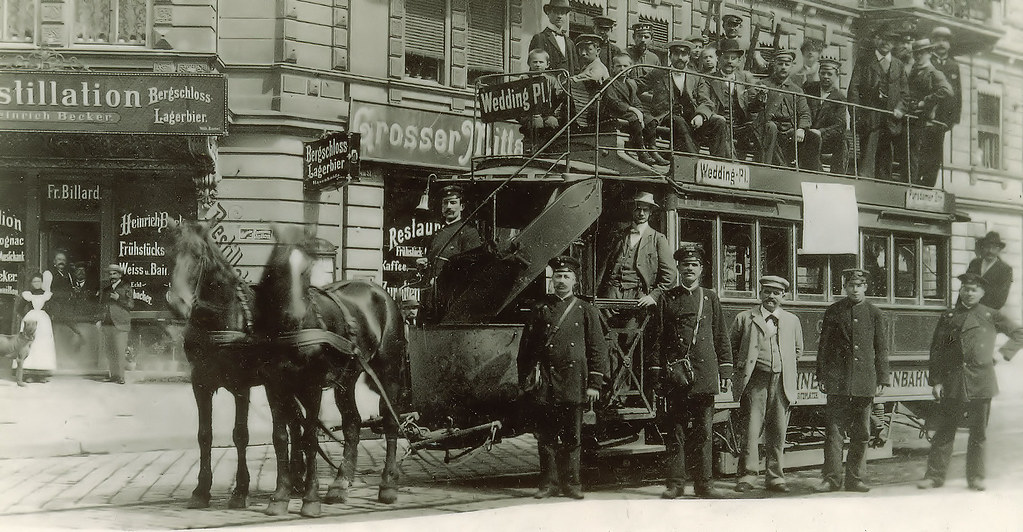
Berlin's retail sector is experiencing an unusual collision between aggressive expansion and geopolitical uncertainty. Three new department-store concepts launched on Kurfürstendamm in the past eighteen months, yet shop owners are now delaying inventory orders and renegotiating shipping contracts as extreme weather and international tensions ripple through global logistics networks.
The timing couldn't be more fraught. Retailers have committed to hundreds of millions in new leases across Mitte, Charlottenburg, and Friedrichshain just as supply chains face genuine shocks. When typhoons hammered southern China last week for the second time in seven days, the impact wasn't abstract-it meant containers destined for Berlin's high-street fashion retailers got stuck in ports from Shanghai to Rotterdam for days. Iranian tensions meanwhile created fresh uncertainty around shipping insurance premiums, which jumped 8 percent in early July alone for routes through the Strait of Hormuz, a chokepoint through which roughly 20 percent of global maritime trade passes.
Local retailers report the squeeze is immediate. A manager at the Bikini Berlin shopping complex in Charlottenburg said her team cancelled two furniture shipments scheduled for August after freight costs spiked unexpectedly. The Galeries Lafayette flagship store on Friedrichstrasse, which renovated its entire ground floor this spring at considerable expense, is now spacing out deliveries to manage warehouse costs.
How Global Shocks Hit Local Streets
This isn't theoretical disruption. A shipment of summer menswear from Vietnam that typically arrives in Berlin within forty-five days now takes fifty-eight days, according to logistics data from freight forwarder DHL Supply Chain's Berlin office. Those extra thirteen days mean retailers are holding dead inventory longer, burning capital that could otherwise fund new store openings.
The European retail sector is spending roughly 12 percent more on shipping than it did eighteen months ago, according to data released yesterday by the Berlin Chamber of Commerce. For smaller independent retailers operating along Karl-Marx-Strasse in Neukölln or boutique concept stores clustering around Bernauerstrasse, those margins can determine survival. One boutique owner on Boxhagener Strasse in Friedrichshain said she's pushed her autumn collection launch from late August to mid-September, betting that supply lines will stabilize.
Yet Berlin itself remains unusually attractive to retailers despite these headwinds. The city's post-pandemic recovery has been sharper than most German cities, with foot traffic on Unter den Linden up 34 percent compared to 2023 levels. Young professionals are moving back. Rents on premium retail space in Mitte remain half what they cost in Munich's Maximilianstrasse or Hamburg's Jungfernstieg, making Berlin an obvious testing ground for new concepts even when international conditions look uncertain.
The Next Six Months Will Be Crucial
Several retailers with Berlin operations told this publication they're monitoring three indicators closely: whether Iranian negotiations produce a shipping agreement that stabilizes insurance costs, whether hurricane season disrupts Atlantic routes heading toward Hamburg and other North Sea ports, and whether Chinese manufacturing output recovers after the recent typhoons. All three could shift in the next ninety days.
For now, retailers are hedging. Orders are smaller but more frequent. Inventory is leaner. The glamorous expansion of Berlin's retail footprint isn't stopping-but it's becoming more cautious, more pragmatic, and far more expensive to manage. Store managers who made commitments to landlords six months ago are discovering that the global environment they operate in has changed fundamentally. That mismatch between optimism and reality is shaping which retailers expand further in Berlin over the next year, and which ones pull back.
This article is general information only and is not personal financial or investment advice. Consider your own circumstances and seek licensed professional advice before making financial decisions.