finance
Global Tensions Ripple Through Berlin’s Business Landscape
Escalating conflict in the Middle East and international market disruptions are reshaping conditions for Berlin enterprises.
How we reported this
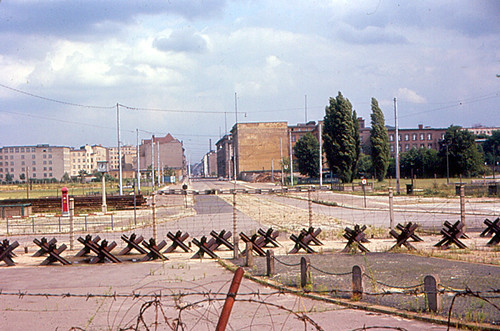
Businesses in Berlin are feeling the ripple effects of escalating tensions between the United States and Iran, as well as ongoing global disruptions, impacting everything from supply chains to investor confidence.
Why Global Conflict Matters to Berlin’s Economy
The recent exchange of strikes between the US and Iran, with the US reaffirming that the Strait of Hormuz remains open, has far-reaching implications. The Strait is a critical chokepoint for energy supplies and global trade. Any instability in this passage threatens commodity prices and logistics flows worldwide, affecting markets far beyond the immediate region.
Berlin’s role as a European business hub makes it especially sensitive to such global uncertainties. Companies engaged in international manufacturing and trade depend on predictable shipping routes and stable energy costs-both challenged by ongoing hostilities and geopolitical risk. The volatile situation adds to the pre-existing pressures businesses face amid broader supply chain realignments and inflation concerns.
Impact Locally: Berlin’s Business Response
While Berlin’s economy is diversified, several sectors feel the strain. Exporters and firms linked to global logistics and manufacturing, including those headquartered in regions like Mitte and Charlottenburg where many corporate offices are located, are monitoring developments closely. The city's technology and startup scenes also face investment caution amid growing uncertainty.
Germany’s largest port hubs, such as Hamburg, serve as gateways for goods destined for Berlin and the wider region, meaning disruptions in global shipping have a knock-on effect here. Berlin’s Mittelstand companies-a backbone of the local economy-must navigate these logistical and cost challenges, constraining growth plans.
Although no recent public data specific to Berlin quantifies losses tied to these developments, qualitative industry accounts suggest increased hedging against risk and cautious capital expenditures, reflecting a wait-and-see approach among local business leaders.
Looking Ahead: Preparing for Uncertainty
Berlin companies are advised to diversify supply sources and review risk management strategies to weather potential further disruptions. Enhanced communication with partners in logistics and energy sectors can help anticipate shifts in availability and pricing. Firms may also benefit from leveraging local and federal business support programs designed to aid resilience in times of external shocks.
As the situation evolves, maintaining flexibility and strategic caution will be key for Berlin’s business community to navigate the global conditions that now directly influence their operations.
This article is general information only and is not personal financial or investment advice. Consider your own circumstances and seek licensed professional advice before making financial decisions.