finance
Berlin’s Commercial Property Market: Key Trends for Businesses Navigating 2026
As global uncertainties ripple through economies, Berlin’s commercial sector reflects cautious optimism with critical lessons for local businesses.
How we reported this
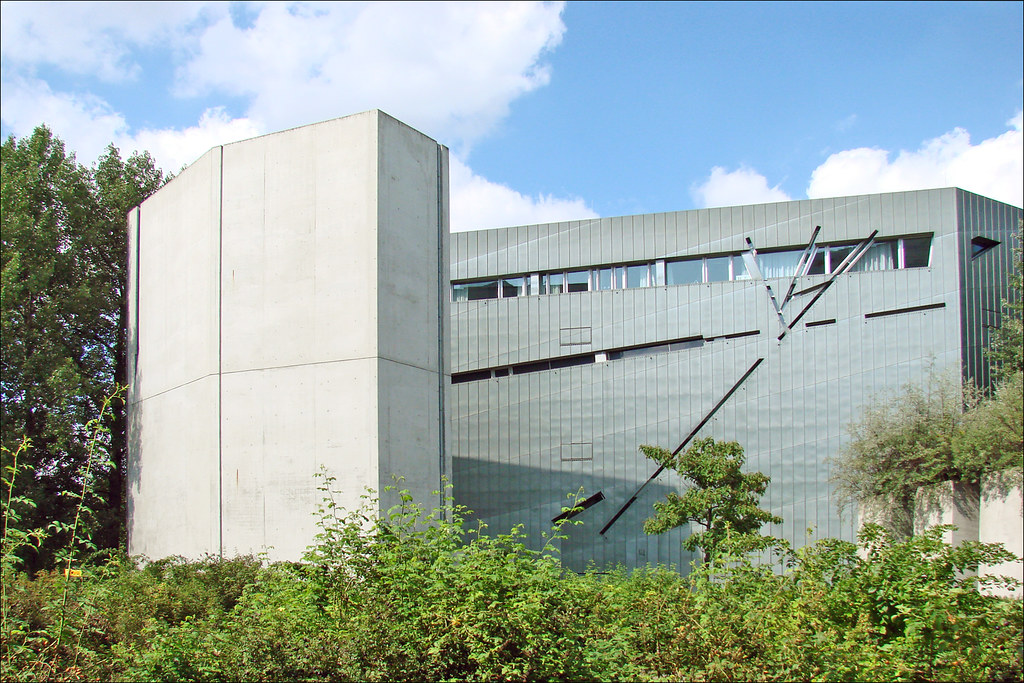
Berlin’s commercial real estate landscape in 2026 is displaying signs of cautious recalibration amid shifting global and regional pressures. While no new, locally sourced headline metrics are available today, the evolving broader market context urges businesses to carefully reassess their commercial property decisions.
Why the Current Moment Demands Attention
The commercial sector matters now more than ever for Berlin’s business environment. Recent international instability-highlighted by heightened tensions between major powers affecting global supply chains and investment confidence-has introduced both risk and opportunity into real estate activity. Worsening geopolitical dynamics, such as ongoing hostilities in the Middle East involving the US and Iran, influence investor sentiment worldwide, including in Berlin's property markets.
This environment is compounded for Berlin firms by severe wildfires spanning Europe, including parts of France and Spain, which demonstrate the growing impact of climate-related challenges on commercial infrastructure planning and insurance costs. All of these factors coalesce to create uncertainty in planning leasing, development, and investment strategies.
Local Context: Berlin’s Commercial Pulse
Berlin retains its global stature with a diverse economy rooted in tech startups, manufacturing, creative industries, and logistics. Its established commercial zones-such as Mitte for office headquarters and Kreuzberg for creative enterprises-continue attracting varied demand profiles. The city’s extensive public transportation and availability of adaptive reuse spaces remain commercial advantages, even as some sectors remain cautious about expansion or relocation decisions.
Without specific pricing or vacancy statistics currently in hand, the qualitative outlook suggests a challenge for commercial landlords and tenants alike in balancing cost pressures with the need for flexible, resilient spaces. While firms traditionally favor landmark areas near Alexanderplatz or Potsdamer Platz, rising concerns over energy efficiency and disaster preparedness may gradually shift preferences to newer developments designed for sustainability and adaptability.
Insights and Practical Guidance for Businesses
Although granular data from Berlin’s commercial market in 2026 is limited at the moment, businesses should take stock of the wider industry signals. Key considerations include evaluating lease agreements for flexibility, anticipating potential impacts from supply chain disruptions, and prioritizing locations with infrastructure resilience. Local companies would also benefit from engaging with Berlin’s chambers of commerce and commercial real estate consultants to recalibrate strategies given the uncertain but dynamic environment.
Ultimately, understanding that Berlin’s commercial property market does not operate in insulated silos but rather is affected by global political and environmental trends will be critical for informed decision-making. Businesses willing to adapt quickly-emphasizing sustainable practices and flexible occupancy models-may find opportunity amid the caution that currently pervades the sector.
This article is general information only and is not personal financial or investment advice. Consider your own circumstances and seek licensed professional advice before making financial decisions.