finance
Berlin’s commercial real estate adapts amid global economic uncertainty
Stable local market activity and new industrial projects signal Berlin's resilience against global challenges.
How we reported this
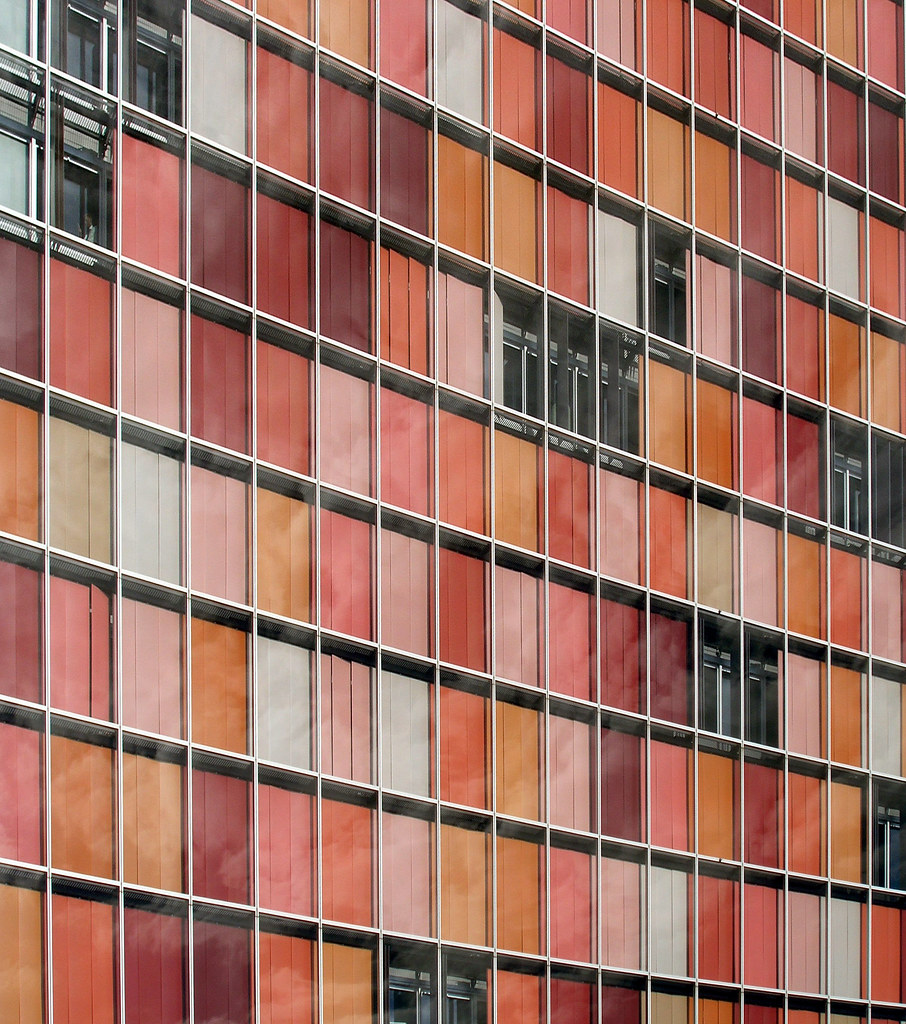
Berlin's commercial property market demonstrates resilience as the city advances multiple new projects designed to support start-ups, craft businesses, and logistics companies. State planners have announced a 12,000-square-meter industrial park in Lichtenberg's Bornitzstraße, providing low-cost commercial rents to emerging businesses, while SEGRO has completed a major 27,500-square-meter light industrial and urban logistics development near Berlin Airport, fully leasing its 20 new units ahead of 2025.
Why Berlin’s commercial real estate activity matters now
The timing of these developments is critical, as global economic pressures ripple through major cities worldwide. With trade tensions, supply chain disruptions, and fluctuating foreign investment, European urban centres are under pressure to maintain innovation and economic vibrancy. Berlin’s strategy to boost affordable industrial spaces for smaller businesses directly addresses these global uncertainties by fostering local entrepreneurship and stabilizing employment opportunities.
This approach also supports logistics and urban industrial growth-a sector essential to Berlin's role as an economic hub in Germany-and counters the volatility seen in international markets by relying on steady demand from diverse local businesses.
Local developments center on sustainable growth and market stability
The Lichtenberg state-owned industrial park aims to begin planning in 2026, reflecting Berlin's commitment to nurturing startups and traditional craftsmen by offering affordable workspace, crucial as many face escalating rents citywide. This contrasts with high-profile projects like the 75,000-square-meter mixed-use B’Ella Berlin at Südkreuz, which combines residential and office spaces with sustainability goals including DGNB Platinum certification.
Meanwhile, SEGRO's latest phase at its Berlin Airport park adds 27,500 square meters of industrial space, with 20 units occupied ahead of schedule. An additional 18,500 square meters of urban logistics buildings are expected to be completed by June 2026. These expansions underline a robust demand for industrial and logistics real estate, matching Berlin’s increasing role as a distribution centre and manufacturing location.
Further enhancing Berlin’s city centre, a mixed-use quarter on Breite Straße in Mitte will feature 70 apartments and commercial spaces, with construction planned to start in the second quarter of 2027 near the Humboldt Forum. This blend of living and work spaces demonstrates Berlin’s effort to create vibrant urban quarters that integrate economic activity and residential amenities.
Market data confirms steady conditions despite global uncertainties
Commercial transaction volumes in Berlin grew by 1% year-over-year, reaching €2.45 billion in the first nine months of 2025. This modest increase indicates a stable market amid broader economic fluctuations. More significant is the surge in take-up of industrial and logistics spaces, which climbed 46% to about 416,000 square meters across the region in 2025, returning activity close to its long-term average.
These figures reflect strong underlying demand for Berlin’s commercial real estate, with prime rents rising to €8.40 per square meter in industrial sectors, signaling confidence from both investors and tenants. The city’s efforts to provide affordable spaces for small companies through state-owned developments mitigate risks from global uncertainty and high commercial rents, supporting a diverse and resilient economic base.
As global economic pressures persist, Berlin positions itself by promoting accessible, sustainable commercial developments and maintaining market stability. The city’s approach could serve as a model for other European capitals responding to economic challenges with focused local strategies that stimulate entrepreneurship and secure supply chain infrastructure.
This article is general information only and is not personal financial or investment advice. Consider your own circumstances and seek licensed professional advice before making financial decisions.