finance
What Berlin Residents Should Know About Upcoming Commercial Developments and Their Impact
New projects promise affordable business space and sustainable housing amid office market shifts, but challenges remain for renters and local enterprises.
How we reported this
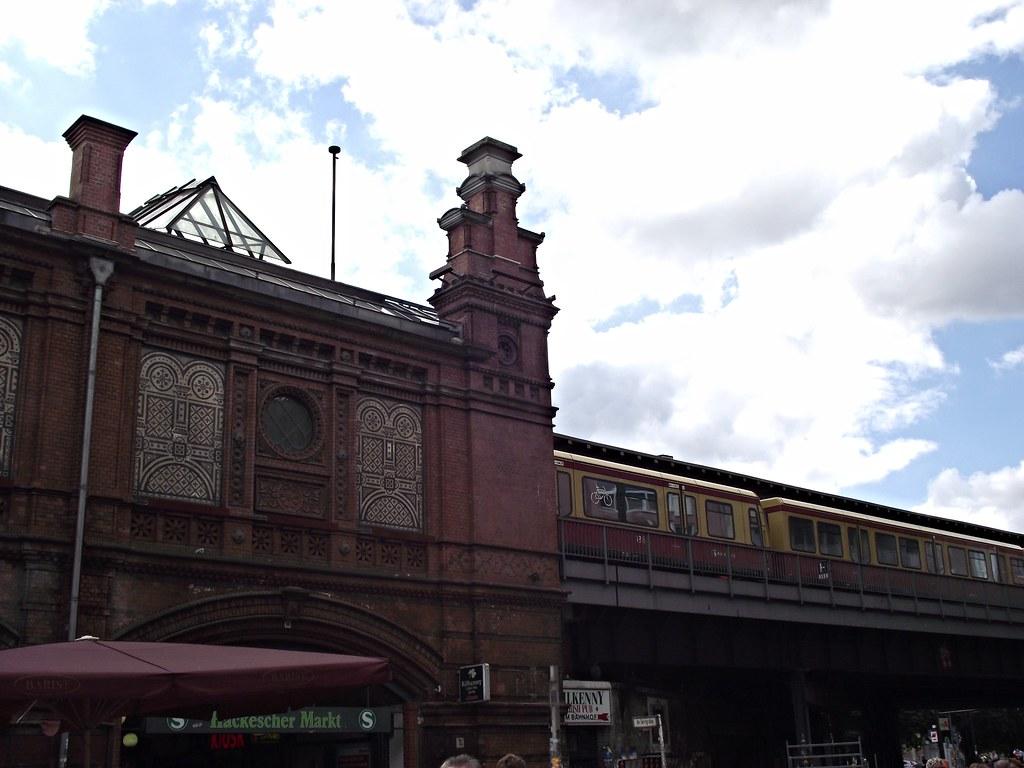
Berlin is gearing up for a series of substantial commercial and residential developments that promise to reshape parts of the city, with implications for residents and local businesses alike. Among the most notable is a new state-owned, 12,000-square-meter industrial park planned in Lichtenberg to support craft businesses and start-ups with low-cost commercial rents, intended to alleviate some pressures on small enterprises and foster local entrepreneurship, according to official plans laid out by the city government in 2026 [1].
Why These Developments Matter Now
The timing of these projects is critical as Berlin faces a surplus of approximately 1.7 million square meters of office space. This glut has pushed commercial landlords to cut asking rents, a situation that directly affects both business tenants and employees navigating the city’s evolving real estate climate [5]. The oversupply also underscores a pivot in Berlin's commercial market where traditional office space is less in demand, stimulating a shift towards mixed-use developments that integrate housing and commercial space.
Simultaneously, the city sees increased demand for affordable industrial and craft business space, which the Lichtenberg industrial park aims to address. This development aligns with community support for local trades and start-ups, offering a foothold in Berlin’s competitive property market [1].
Sustainable and Mixed-Use Projects on the Rise
The STRABAG subsidiary ZÜBLIN is delivering the 75,000-square-meter B’Ella Berlin project at Berlin Südkreuz. This sustainable, mixed-use development will feature 300 residential units alongside office and commercial spaces, targeting DGNB Platinum certification, indicating a strong emphasis on environmental standards and efficient use of space [2][9].
Meanwhile, in Berlin Airport’s vicinity, SEGRO recently completed a new 27,500-square-meter phase of light industrial and urban logistics spaces within SEGRO Park, with two additional 18,500-square-meter logistics units under ongoing construction, scheduled for completion by June 2026 [3][10]. This expansion responds to growing logistics and industrial demand while reinforcing the city's role as a logistics hub.
To the city's core, the Breite Straße project in Berlin-Mitte is planned to create a new neighborhood combining around 70 apartments, commercial areas, and artist studios. Construction is set to commence in the second quarter of 2027 and will provide mixed-use space adjacent to the Humboldt Forum [4][8]. This development reflects Berlin’s ongoing urban renewal efforts to blend residential living with cultural and commercial uses.
Evidence of Market Shifts and What Consumers Should Expect
Berlin’s office market saw approximately 140,000 square meters leased in the first quarter of 2026, with average rents at €25.40 per square meter and prime rents at €46.00 per square meter, signaling a softening compared with previous years [5]. The reported surplus and falling asking prices should encourage companies and entrepreneurs searching for space but also caution landlords and developers who must now compete with ample supply and evolving tenant demands.
For everyday residents, these dynamics could translate into greater availability of affordable workspace for freelancers and small enterprises, especially in the new industrial park at Lichtenberg and within mixed-use spaces like B’Ella Berlin. The emphasis on sustainability and integrated living and working environments could also enhance quality of life in these emerging neighborhoods.
However, residents should remain attentive to the potential for slower commercial office turnover and the implications this may have on the local economy and employment sectors dependent on office hubs.
What Happens Next?
Construction timelines suggest these projects will progressively come online over the next year and beyond-Breite Straße in 2027, SEGRO Park expansions by mid-2026, and B’Ella Berlin underway now. Residents and local businesses should monitor planning processes and municipal announcements to understand how new zoning, transport links, and commercial opportunities evolve.
For consumers and workers, the mayoral office and city planners advise staying informed about new rental offer adjustments in the commercial market as landlords react to increased supply. Entrepreneurs and craft businesses aiming for affordable workspace might find emerging industrial spaces in Lichtenberg particularly attractive once planning formalities conclude in 2026 [1].
In short, Berlin’s commercial development projects highlight a city in transition, balancing state-supported initiatives with private sector investments to meet evolving economic and living needs. Residents and businesses can expect an expanding landscape of sustainable, affordable, and multi-use spaces-signaling change but also new opportunities in Berlin’s urban fabric.
This article is general information only and is not personal financial or investment advice. Consider your own circumstances and seek licensed professional advice before making financial decisions.