Berlin's Gallery Renaissance: How Community Collectives Are Rewriting the Art World
A new generation of artist-led initiatives across Kreuzberg, Friedrichshain and Wedding is dismantling the gatekeeping of Berlin's cultural institutions.
A new generation of artist-led initiatives across Kreuzberg, Friedrichshain and Wedding is dismantling the gatekeeping of Berlin's cultural institutions.
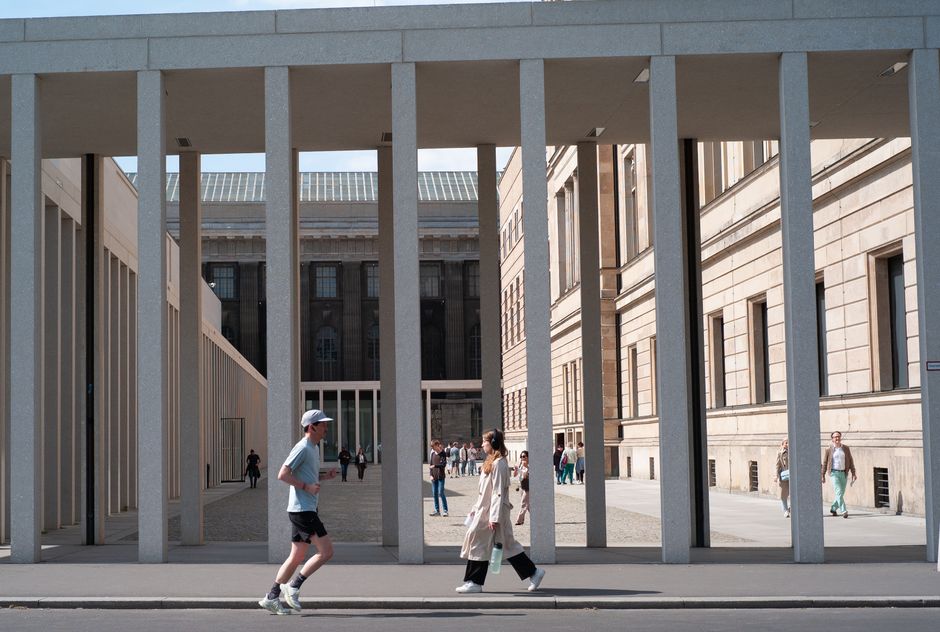
Walk down Kottbusser Damm on a Friday evening and you'll witness something that would have seemed impossible a decade ago: galleries that don't charge admission, curated by the artists themselves, drawing crowds that rival the commercial spaces in Charlottenburg. This shift isn't accidental. It's the result of a deliberate movement reshaping how Berlin's 3.6 million residents—and the millions of international visitors—experience contemporary art.
The catalyst came partly from economics. Commercial gallery rents in Mitte have tripled since 2015, pushing independent curators and emerging artists toward the periphery. But necessity bred innovation. In Kreuzberg, collectives like those operating from converted warehouse spaces on Mehringdamm have pioneered a radically democratic model: rotating exhibitions, participatory programming, and zero-euro entry fees funded by membership networks and grant systems favoring grassroots cultural work.
"The traditional museum model assumes passive spectatorship," explains the philosophy underpinning these initiatives, which have grown from isolated experiments to a genuine ecosystem. By 2025, approximately 240 artist-run spaces operated across Berlin's outer districts—a 340 percent increase from 2018. The Friedrichshain corridor alone hosts over 60 such venues, many in converted industrial buildings along Revaler Straße and the RAW-Gelände.
What distinguishes this movement from earlier waves of artistic migration is its institutional ambition without institutional compromise. Several collectives have formalized as registered associations, securing multi-year funding from the Senat für Kultur und Gesellschaftlichen Zusammenhalt while maintaining operational autonomy. Wedding's cultural renaissance—once dismissed as peripheral—now anchors this network, with venues like those clustered near Seestraße attracting international curators seeking authentic, community-embedded programming.
The economic impact resonates beyond culture metrics. These spaces generate foot traffic that sustains local businesses; they've become magnets for young professionals choosing neighborhoods based on cultural vibrancy rather than proximity to corporate jobs. Property developers have taken notice, though this creates tension: gentrification anxieties loom as property values rise in formerly affordable districts.
Museums haven't been passive observers. The Berlinische Galerie and others have increasingly partnered with collectives, offering residencies and exhibition swaps that blur boundaries between institutional and grassroots. Yet the community-driven movement's greatest achievement may be philosophical: it's repositioned art consumption from luxury consumption to civic participation. Berlin's galleries, once fragmented between elite circuits and underground scenes, are consolidating around a new principle—that culture belongs to communities that create it.
This article was compiled by AI from the sources linked above and screened before publishing. See our editorial standards.
How does this story make you feel?
Spread the word
About this article
Published by The Daily Berlin
Daily brief
Free, in your inbox before 7am. Weekdays.
More in culture