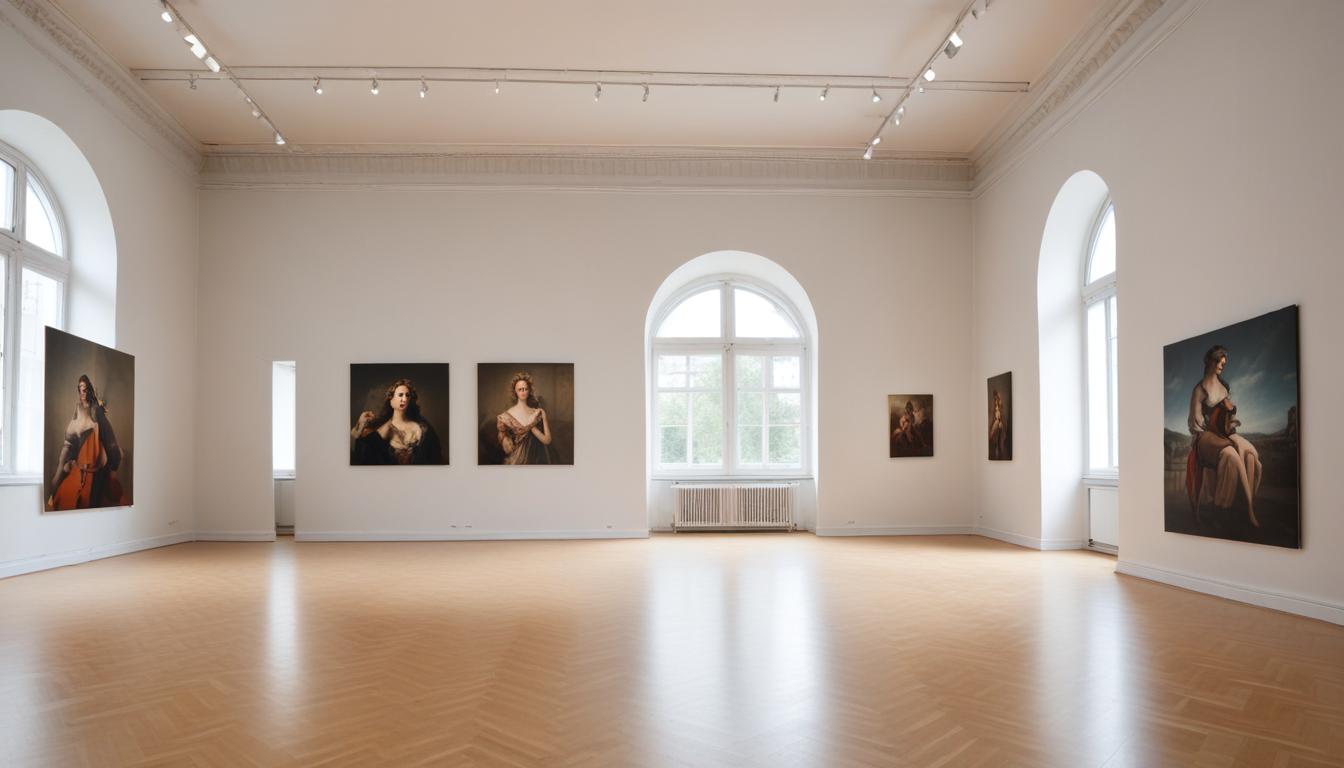
Walk down Kottbusser Damm on a Friday night and you'll notice something: the packed venues aren't the established theatres in Mitte. Instead, converted warehouses, squatted cultural spaces and artist-run galleries pulse with experimental theatre, performance poetry and multimedia installations that would never survive a traditional box office model.
This shift reflects a broader movement reshaping Berlin's performance landscape. Over the past eighteen months, more than forty independent theatre collectives have registered as cultural associations across Kreuzberg and Friedrichshain alone, according to data from the Berlin Cultural Office. Average ticket prices hover between €8 and €15—less than half what you'd pay at the Schaubühne or Deutsches Theater. Yet attendance has surged, particularly among audiences under thirty.
"The traditional model had gatekeepers," says the Ballhaus Ost collective, which operates a renovated performance space in Friedrichshain-Kreuzberg. The venue, opened in 2023, now hosts over 300 events yearly, from queer theatre experiments to refugee-led storytelling circles. Similar spaces have sprouted along the Spree and throughout Wedding's RAW Gelände, where artists are reclaiming industrial spaces as cultural incubators.
What distinguishes this movement isn't just geography or price. It's deliberate structural change. Collectives like Radialsystem and the newer Raum für Bewegung prioritise accessibility over prestige: wheelchair access, free community rehearsals, performances in multiple languages, and sliding-scale admission. Some venues operate on cooperative models where artists retain creative control and earn fairer compensation than traditional theatre contracts allow.
The diversity of voices on stage reflects this too. Berlin's theatre scene, historically dominated by German-language productions, now features significant programming from immigrant and diaspora artists—Syrian, Afghan, West African creatives telling stories rooted in their own experiences rather than filtered through institutional interpretation.
Not everyone welcomes the shift. Established theatre leadership in Berlin has expressed concern about fragmenting audiences and pressure on funding. Yet municipal support for independent venues increased by €2.3 million in the 2025 budget—a signal that city administrators view this decentralisation as culturally vital.
What's happening in these sweaty, improvised performance spaces feels less like a trend than a correction. Berlin's theatre world, once consolidated in prestigious institutions, is being remade by the communities it claims to serve. The question isn't whether this movement survives—it's whether traditional venues can adapt quickly enough to remain relevant.
This article was compiled by AI from the sources linked above and screened before publishing. See our editorial standards.