Berlin's Next Wave: Five Emerging Fashion Voices Reshaping the City's Creative Future
As established designers consolidate their empires, a new generation of independent makers in Kreuzberg and Friedrichshain is redefining what Berlin fashion means.
As established designers consolidate their empires, a new generation of independent makers in Kreuzberg and Friedrichshain is redefining what Berlin fashion means.
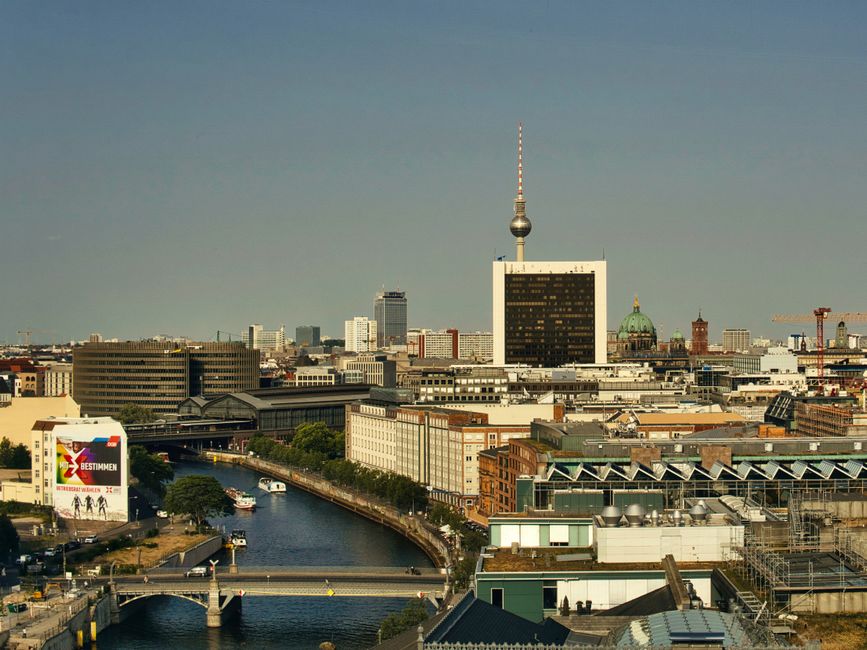
Walk through the gallery spaces lining Kottbusser Damm on any given weekend and you'll find the future of Berlin's fashion industry unfolding in converted warehouses and pop-up studios. The city that once traded on the rebellious aesthetics of Club Culture now finds itself watching a fresh cohort of designers—many under 30, most working with sustainable materials and digital-first strategies—quietly building followings that rival established names.
The shift reflects broader changes in how creative talent develops here. Where previous generations gravitated toward Mercedes-Benz Fashion Week (now defunct) or the prestigious Bread & Butter platform, today's emerging voices are bootstrapping their visibility through Instagram, digital showrooms, and intimate presentations in spaces like the Kunsthaus Tacheles studios in Mitte, or the independent showrooms clustered around RAW-Gelände in Friedrichshain.
Data from the Berlin Chamber of Commerce suggests the fashion and textile sector has grown by 12 per cent since 2023, with micro-labels and independent producers accounting for over 60 per cent of that growth. Average startup costs for a fashion label have halved in the past five years, thanks to print-on-demand services and digital pattern-making software—democratising access in ways that would have been unthinkable a decade ago.
What distinguishes this wave from previous cycles is their explicit rejection of fast-fashion economics. Several emerging designers are operating from shared studio spaces in Neukölln where rent remains manageable, collaborating across disciplines—fashion designers working with ceramicists, sound artists, and digital creators. The proximity to established institutions like the Textilwerkstatt Berlin and the continuing vitality of the Kreuzberg design quarter has created an ecosystem where mentorship happens organically.
Trade fairs remain relevant: the June edition of Panorama Berlin and Select in the Funkhaus Nalepastrasse continue to attract buyer attention, but increasingly these venues are platforms for discovery rather than validation. The real arbiters are Berlin's influential independent stylists, the emerging fashion media outlets operating from Charlottenburg and Mitte, and international editors who increasingly visit the city specifically to scout new talent.
What unites these emerging voices isn't a coherent aesthetic—Berlin has never worked that way—but rather a shared conviction that fashion design is a viable creative practice when grounded in community, experimentation, and sustainable thinking. As established names maintain their legacy positions, this next wave is quietly claiming their own territory.
This article was compiled by AI from the sources linked above and screened before publishing. See our editorial standards.
How does this story make you feel?
Spread the word
About this article
Published by The Daily Berlin
Daily brief
Free, in your inbox before 7am. Weekdays.
More in culture