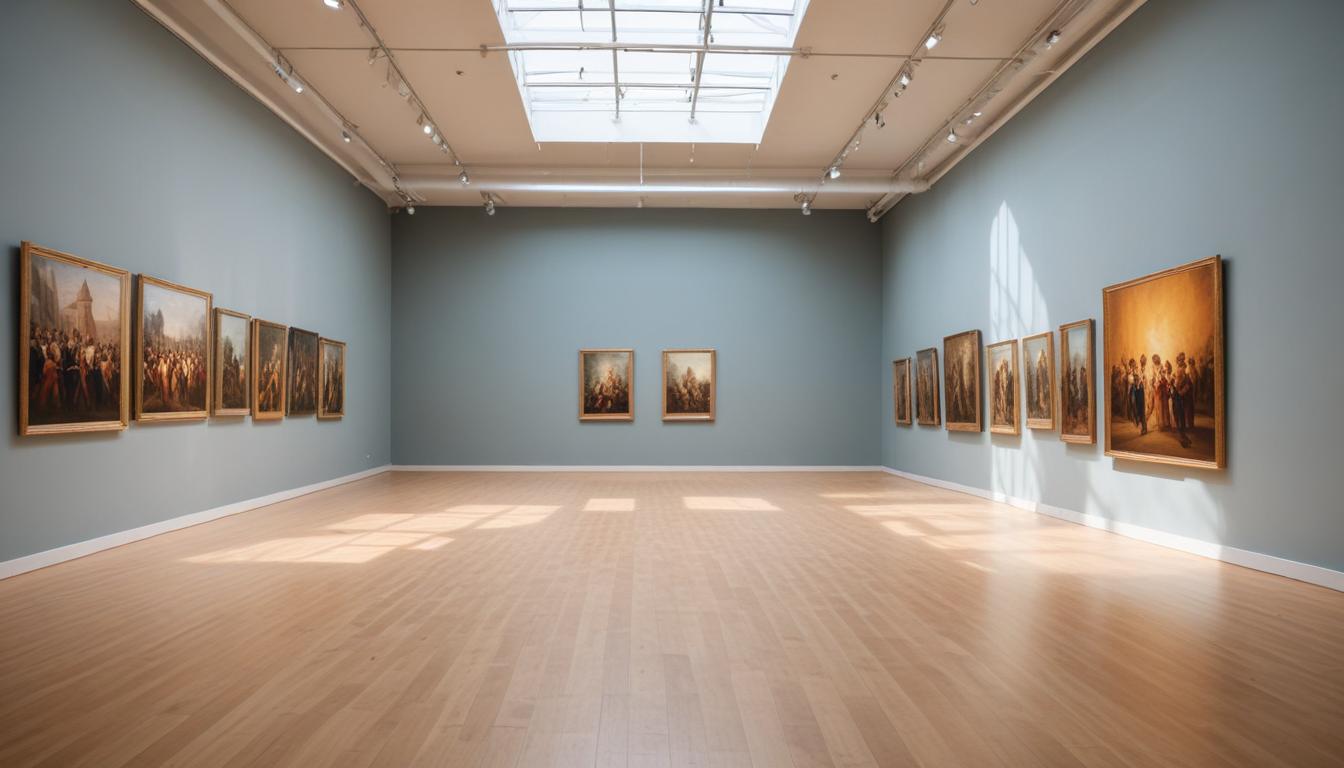
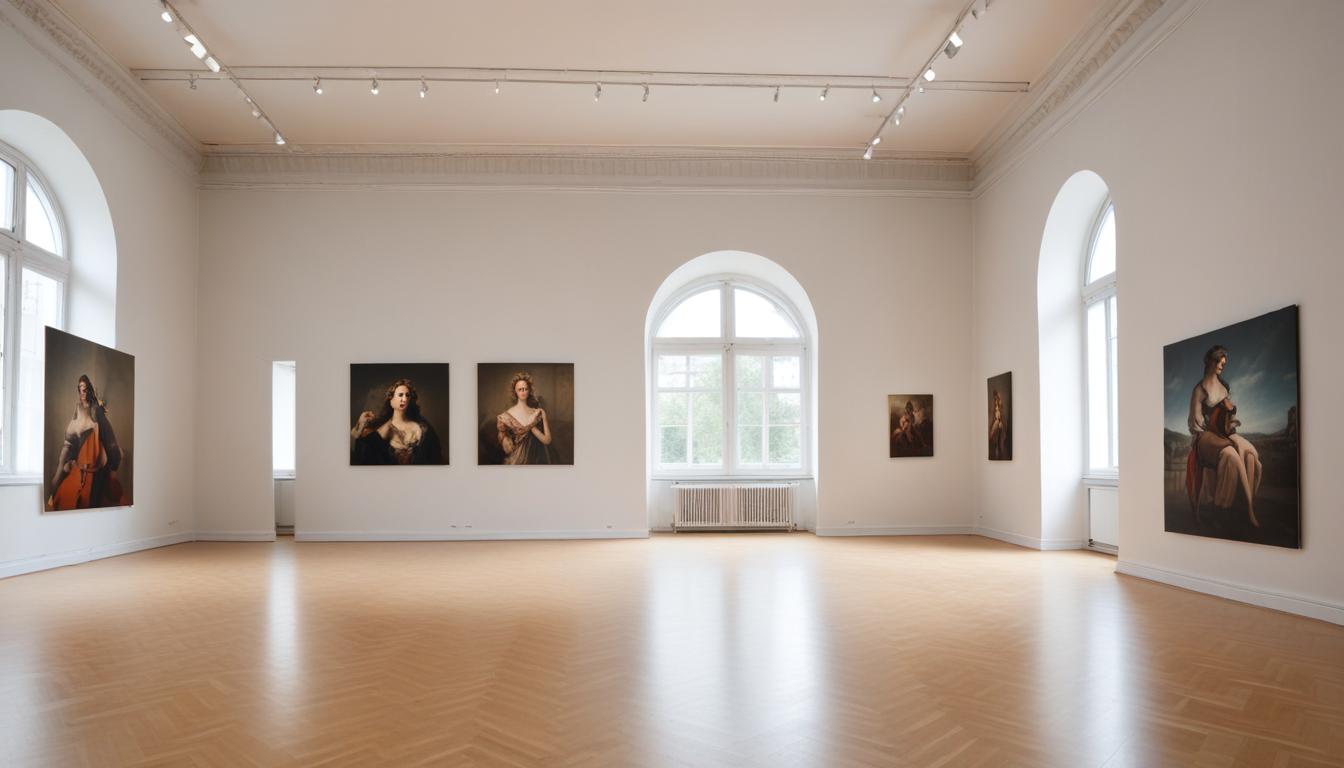
Walk down Invalidenstrasse in Mitte and you're witnessing the architectural language of Berlin's cultural redefinition. The Neues Museum, the Pergamonmuseum, and the Bode Museum form what locals still call Museum Island—a complex that draws over 3 million visitors annually and generates roughly €180 million in cultural tourism revenue for the city. Yet the real story of Berlin's creative identity isn't contained within these limestone facades. It's sprawling across neighbourhoods in ways that challenge what a global art capital should be.
The shift is demographic and philosophical. While West Berlin's post-war identity was built on defiant Western institutions, today's Berlin museums—particularly those along the Spree and in emerging cultural quarters—reflect a city wrestling with its fragmented history and embracing pluralistic voices. The Deutsches Historisches Museum recently restructured its permanent collection to centre previously marginalised narratives, a move that catalysed broader institutional soul-searching across the city.
But institutional gravitas tells only half the story. In Kreuzberg, RAW-Gelände and smaller artist-run spaces like Kunsthalle Kreuzberg operate on shoestring budgets yet pull cultural weight disproportionate to their resources. These galleries—often charging €5-8 for entry against the Museum Island's €14-18—have become the experimental laboratories where Berlin's identity is genuinely contested and reimagined. Gallery Weekend Berlin, held each spring, now features over 70 participating spaces across the city, many opening their doors to 15,000+ visitors willing to explore beyond the canonical institutions.
The economic disparity tells a crucial story too. While major museums receive roughly €180 million in public funding annually, independent galleries survive on a precarious mix of grant funding, art sales, and community support. Yet this precarity has become generative. Galleries in Friedrichshain, Charlottenburg, and Prenzlauer Berg have established Berlin as a place where experimentation isn't merely permitted—it's structurally necessary.
What's emerging is a creative identity less defined by any single institution or movement, and more by this ecosystem's internal contradictions. Berlin museums increasingly resist the curatorial confidence that once characterised encyclopedic collections. Instead, they're embracing provisional, dialogical approaches to knowledge—hosting public forums, commissioning artist responses to permanent collections, and questioning their own authority.
For a city still processing decades of division, this curatorial humility feels politically resonant. Berlin's galleries and museums aren't declaring what Berlin is; they're creating spaces where Berliners—diverse, conflicted, curious—might discover what Berlin could become.
This article was compiled by AI from the sources linked above and screened before publishing. See our editorial standards.