Berlin's Restaurant Renaissance: The Young Chefs Rewriting the City's Food Story
A new generation of culinary voices is transforming Berlin's dining landscape, moving beyond tourist clichés to create something distinctly contemporary.
A new generation of culinary voices is transforming Berlin's dining landscape, moving beyond tourist clichés to create something distinctly contemporary.
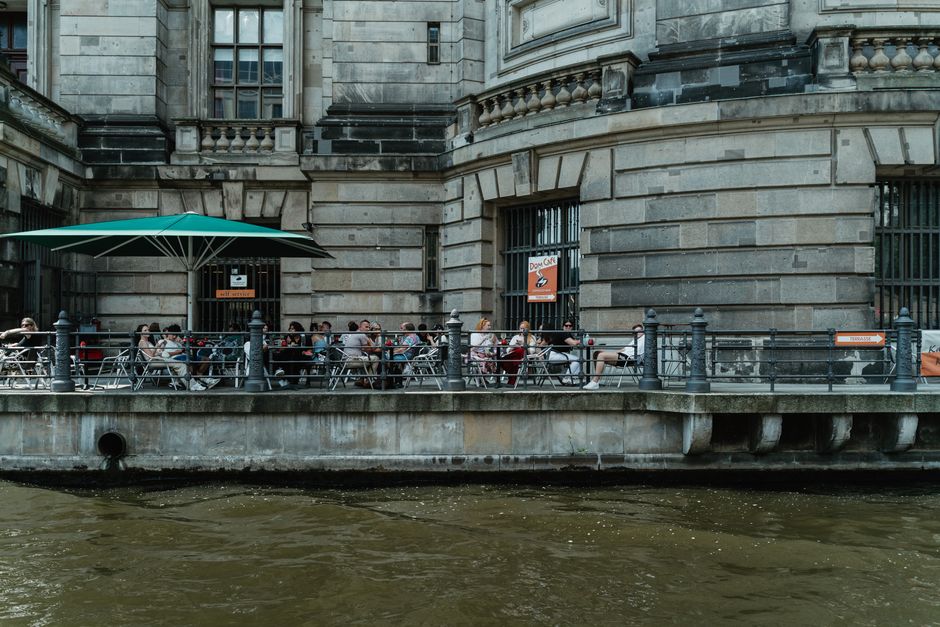
Walk down Markgrafenstraße in Kreuzberg on any given evening and you'll notice something has shifted in Berlin's food culture. The neighbourhood that once thrived on cheap döner stands and experimental pop-ups is now home to a new wave of chefs—many under 35—who are treating cooking with the conceptual rigour of visual artists while rejecting the city's outdated reputation for casual mediocrity.
This isn't the Berlin of 2015, when €8 breakfasts and craft beer proliferation dominated headlines. Today's emerging talent is characterised by precision, sustainability, and a willingness to challenge what "Berlin food" means. Several establishments in Neukölln and Wedding have begun attracting serious attention from industry peers, with tasting menus hovering around €65-85 per person—expensive by local standards, but modest compared to other European capitals.
The shift reflects broader changes within the city's hospitality workforce. According to the Berlin Chamber of Crafts, applications to culinary apprenticeships have increased 23% over the past three years, with particular interest in seasonal, vegetable-forward cooking. Young chefs cite a combination of factors: Berlin's relative affordability compared to London or Copenhagen, the city's experimental ethos, and growing demand from locals tired of Instagram-bait dining.
What distinguishes this cohort is their refusal of nostalgia. Rather than retreating into Currywurst mythology or cloning established fine-dining templates, they're investigating Berlin's overlooked culinary heritage—the city's Jewish food traditions, its East German recipe books, its multicultural present. Several venues across Charlottenburg and Friedrichshain are quietly building reputations based on ingredient obsession and restrained, intelligent cooking that eschews unnecessary complexity.
The infrastructure supporting them differs markedly from previous cycles. Organisations like the Berlin Culinary Collective have created mentorship networks connecting emerging chefs with established figures, while shared commercial kitchen spaces in industrial districts allow young cooks to test concepts before committing to permanent venues. The success of several three-to-five-year-old establishments in securing Michelin recommendations has also shifted investor perception: Berlin is no longer viewed as a financial gamble.
Significantly, this generation privileges hospitality—genuine engagement with diners—over the aloofness that characterised some earlier Berlin restaurants. Service is being reconceived not as theatrical performance but as intelligent, attentive conversation between kitchen and table.
For those tracking where dining will move next, Berlin's emerging voices deserve attention. They're creating something neither nostalgic nor derivative: a genuinely contemporary food culture that reflects the city's actual present.
This article was compiled by AI from the sources linked above and screened before publishing. See our editorial standards.
How does this story make you feel?
Spread the word
About this article
Published by The Daily Berlin
Daily brief
Free, in your inbox before 7am. Weekdays.
More in culture