culture
Berlin's Divided Past Is Getting a New Audience-And It's Reshaping How the City Tells Its Story
A surge in heritage projects across East and West is forcing uncomfortable conversations about who gets remembered and why.
How we reported this
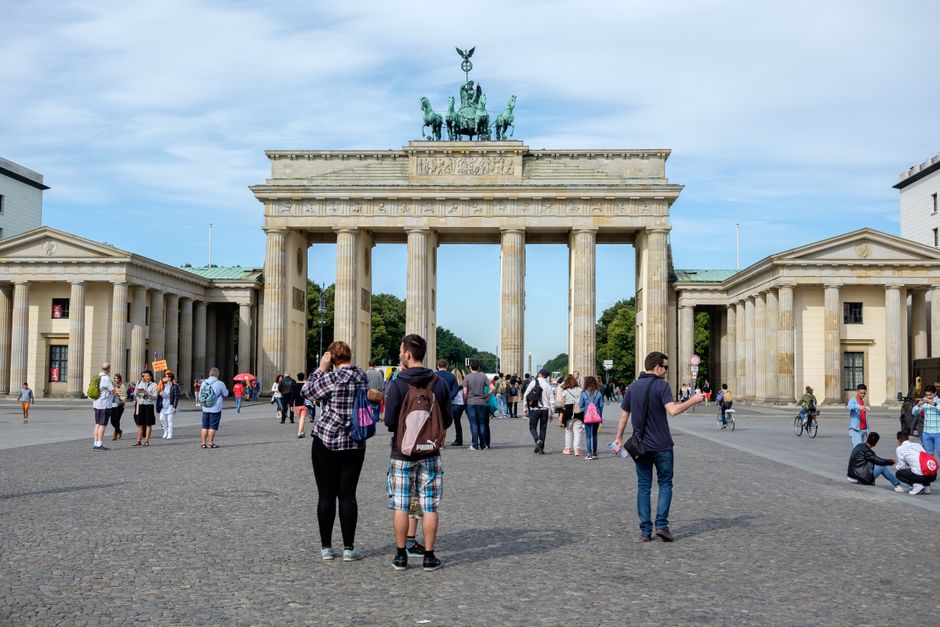
Walk down Kurfürstendamm on any weekend and you'll notice something shifted. The grand department stores, the cafés where Cold War spies once traded secrets, the rubble-filled spaces that defined West Berlin's resilience-they're no longer background noise. They're becoming contested territory in how Berlin chooses to remember itself.
This summer, three major heritage initiatives have reignited debate about the city's fractured identity. The Deutsches Historisches Museum's new West Berlin exhibition, which opened in May, drew nearly 12,000 visitors in its first month-double initial projections. Simultaneously, the Memorial to the Murdered Jews of Europe announced an expanded digital archive, while the Stiftung Preußischer Schlösser launched a controversial reexamination of colonial artifacts in its collections across Potsdam and Charlottenburg Palace.
What's driving the conversation now? Partly demographics. Berlin's population has shifted dramatically since 2010: younger, more international, increasingly disconnected from lived memory of division. Only 35% of Berliners today have personal recollections of 1989. That absence has created what local historians call a "heritage hunger"-a generation seeking authenticity while the generation that lived through it ages.
"We're seeing families visit Checkpoint Charlie who've never set foot in the actual East Side Gallery," says Marcus, a guide at the Mauermuseum in Friedrichshain. "The narrative is fragmenting. Everyone has their own Berlin."
That fragmentation is playing out in real time. Kreuzberg residents are fighting to preserve squatter heritage sites alongside gentrification; Mitte's rapidly developing waterfront has sparked demands for public access to Cold War bunkers; even Charlottenburg Palace's reckoning with its Nazi-era leadership is generating heated salon discussions in Charlottenburg and Wilmersdorf's cultural circles.
The economics matter too. Cultural heritage tourism generates roughly €800 million annually for Berlin. Museums report price increases of 10-15% over two years, pricing out some locals even as international visitors queue around blocks. This disparity-who gets to own Berlin's story, and at what cost-has become the subtext of every major heritage project.
"We're not just debating buildings anymore," explains one Prenzlauer Berg resident active in heritage preservation groups. "We're debating whether Berlin's identity belongs to those who lived it or those who consume it."
The answer, increasingly, appears to be both-and neither. What Berliners are really talking about is whether their city's most valuable asset-its complex, divided, unflinching history-will remain authentically accessible or become another luxury good.
This article was compiled by AI and screened before publishing. See our editorial standards.