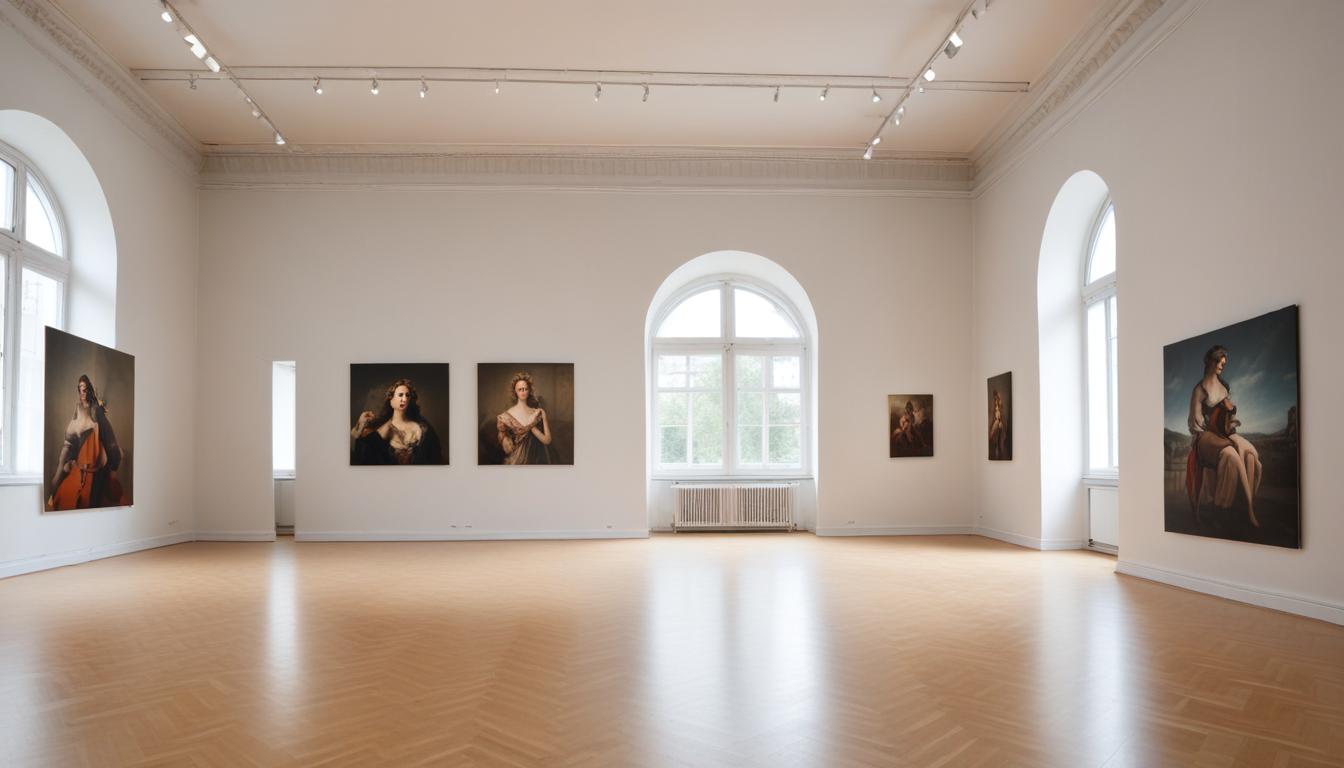
Walk down RAW-Gelände in Friedrichshain on a Friday evening and you'll witness something distinctly Berlin: a former East German railway depot transformed into one of Europe's most vital cultural spaces. The contrast is deliberate. Where Communist-era trains once ran, contemporary artists now stage installations that grapple with migration, memory, and belonging. This isn't accidental aesthetics—it's identity work, the kind that has become central to how Berlin sees itself in 2026.
The numbers tell part of the story. Berlin hosts over 180 museums and galleries, more per capita than any comparable European metropolis. The Charlottenburg Palace, the Neues Museum on Museum Island, the Käthe Kollwitz Museum in Charlottenburg—these anchor institutions draw 8.5 million visitors annually. But the real cultural pulse beats in unexpected quarters: the independent galleries clustered around Kurfürstendamm, the artist-run collectives in Kreuzberg's RAW territories, and the emerging scene in Lichtenberg's Post-Industrial quarter.
What distinguishes Berlin's approach is refusal. The city resists the sterile museum model that defines London or Paris. Instead, it insists on galleries as contested spaces—places where questions about history, division, and reconciliation aren't background noise but centerpieces. The permanent exhibition at the Deutsches Historisches Museum doesn't simply narrate German history; it interrogates it. Visitors leave troubled, which is precisely the point.
This ethos extends to smaller institutions reshaping neighbourhoods. Galerie nächst St. Stephan in Mitte showcases emerging artists from post-Soviet contexts. Meanwhile, spaces like Projektraum in Wedding operate on shoestring budgets but punch above their weight in experimental practice. Admission fees rarely exceed €12—Berlin keeps art accessible, a philosophy rooted in both socialist heritage and contemporary conviction that culture shouldn't be commodified for tourists alone.
The economics matter too. Unlike Paris or London, where gallery space costs have expelled experimental practitioners, Berlin's cheaper rents (though rising sharply) still permit risk-taking. A young artist can afford a studio in Pankow. A curatorial collective can lease a warehouse in Neukölln. This infrastructure of affordability directly enables the conceptual ambition visitors encounter.
Six years into the post-pandemic era, Berlin's galleries face gentrification pressures and questions about whether creative identity can survive commercialization. Yet the city's answer remains consistent: culture isn't decoration here. It's how Berliners—a population shaped by division, reunification, and ongoing migration—collectively ask who we are. The galleries and museums aren't reflecting this identity. They're actively producing it, street by street, exhibition by exhibition.
This article was compiled by AI from the sources linked above and screened before publishing. See our editorial standards.