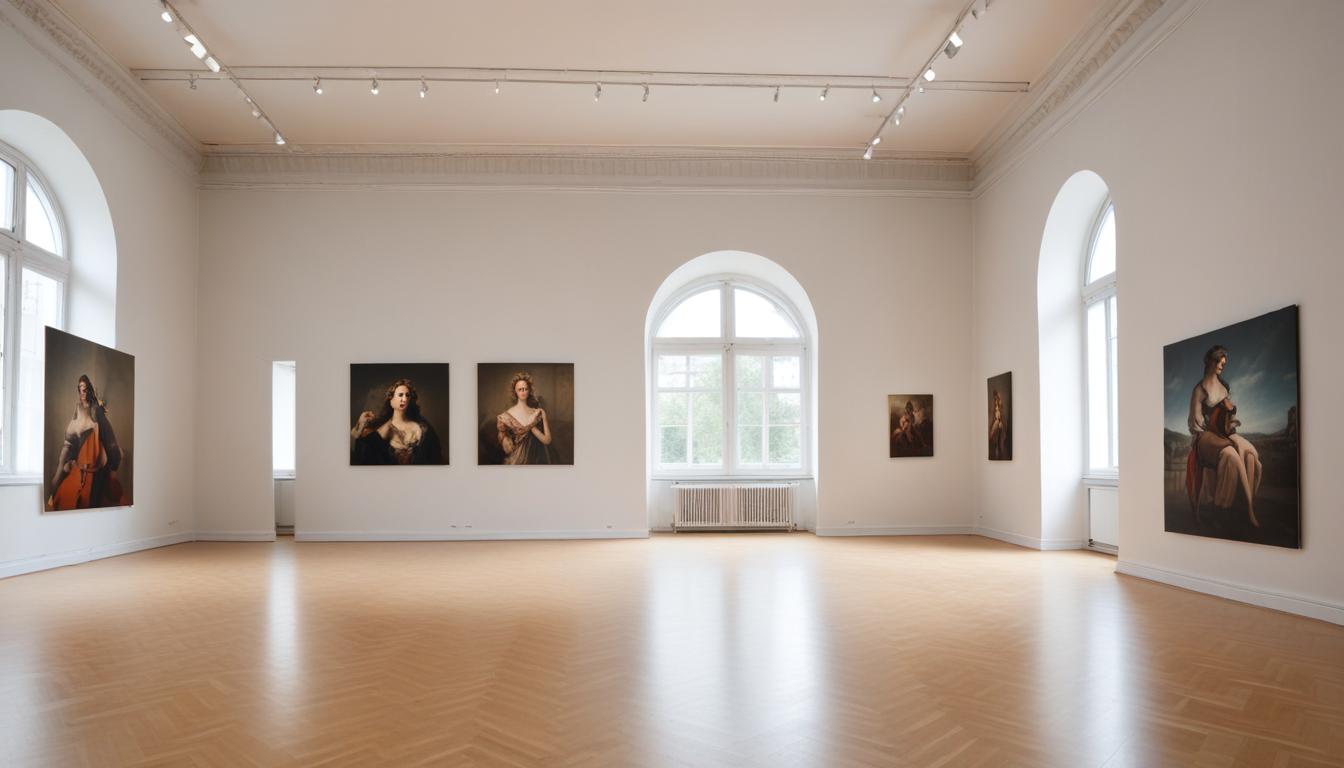
Walk into the Deutsches Historisches Museum on Unter den Linden, and you'll see it: a subtle shift in whose stories are being told. Where Cold War narratives once dominated Berlin's memory landscape, a new cohort of emerging cultural workers—many in their late twenties and thirties—are excavating overlooked histories and demanding space for marginalised voices.
The change is visible across the city's institutional map. At the recently revitalised Neues Museum in Mitte, younger curators are interrogating the provenance of collections with unprecedented rigour. Meanwhile, independent projects are flourishing in cheaper neighbourhoods: Kreuzberg's Künstlerhaus Bethanien continues to host emerging artists exploring trauma and memory, while smaller initiatives in Wedding and Lichtenberg are documenting neighbourhood histories that official archives have overlooked.
"There's an impatience with the grand narrative," explains the curatorial landscape across multiple institutions, where a new generation questions whether Berlin's heritage sector has adequately addressed East German experiences, migrant contributions, and queer histories. Recent surveys suggest around 60% of Berlin's cultural workforce is now under 40, yet funding remains concentrated in flagship institutions.
The shift reflects broader demographic changes. Berlin's population has grown by roughly 250,000 since 2010, with significant immigration from the Middle East, Eastern Europe, and Africa. These communities are now asking: whose Berlin are we preserving? The answer emerging from younger organisers involves collaborative archiving, oral history projects, and digital platforms that democratise heritage documentation.
Organisations like the Archiv der Erinnerungen (Archive of Memories) in Charlottenburg—a volunteer-run initiative—exemplify this approach. Similarly, independent researchers and artists working across Friedrichshain and Prenzlauer Berg are creating counter-narratives to established institutional memory, often working with minimal funding but maximum community engagement.
The economics tell a story too. Entry fees to major museums average €12-14, while emerging practitioners operate in cheaper studio spaces—a square metre in Friedrichshain runs €8-10 monthly, compared to €15+ in central areas. This geography of affordability is shaping where new ideas about cultural identity are incubating.
What distinguishes this wave isn't nostalgia or reverence for Cold War relics, but rather a commitment to messy, contested histories. They're asking uncomfortable questions about complicity, erasure, and who gets remembered. As Berlin approaches its 875th anniversary in 2036, these emerging voices won't simply curate the past—they'll fundamentally reshape how this fractured, vibrant city understands itself.
This article was compiled by AI from the sources linked above and screened before publishing. See our editorial standards.