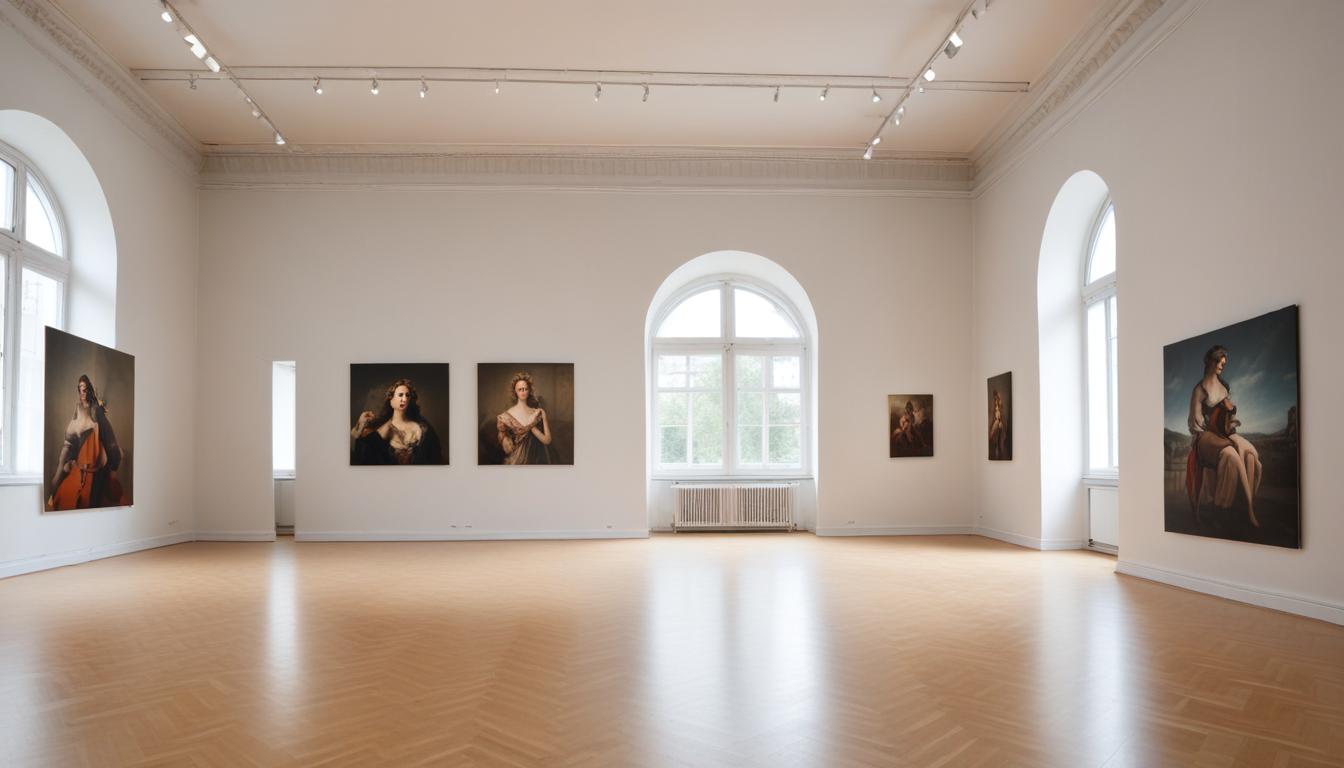
When Petra Müller first walked through the skeletal remains of the former Schultheiss Brewery on Friedrichstraße in Mitte three years ago, the 47-year-old architect saw what most developers saw: a liability. What she actually envisioned was radically different—a temporary autonomous zone for art that could operate outside the commercial festival machinery dominating Berlin's summer calendar.
Today, that vision has materialized into Transitorium, a 10-week experimental festival launching July 12 across the 12,000-square-meter site. It's the culmination of work by Müller's collective, Offene Räume, alongside a coalition of 23 Berlin-based artists, activists, and cultural producers who've spent 1,200 volunteer hours renovating the space, negotiating land rights, and designing programming that spans performance, installation, film, and participatory workshops.
"We didn't want another festival where you buy a ticket, consume culture, and leave," explains Müller, sitting in the collective's temporary office in a converted shipping container. "Transitorium is structured around gift economics and community participation. Entry is donation-based, averaging €8, and 40 percent of revenue goes directly to featured artists."
The scale is ambitious. The program includes 140 events: everything from a month-long residency with the postcolonial dance collective Nairobi Daydreams, to a radical food-justice kitchen operated by the Kreuzberg-based collective Kantine Künstler, to nightly experimental screenings curated by the Berlin Videofilmkunst society. The site will host approximately 15,000 visitors across the summer.
What distinguishes Transitorium from established fixtures like Biennial or Festwochen is its deliberate impermanence and its insistence on process over product. Every structural intervention is designed for deconstruction; every artist is embedded in the collective's decision-making. The budget—€180,000, sourced entirely through micro-grants, crowdfunding, and in-kind donations—reflects resource scarcity that Offene Räume frames as creative constraint rather than limitation.
"We're working against Berlin's tendency to commodify alternative culture," says Müller. "The moment a festival becomes successful, it gets absorbed into the city's tourism economy. We're building mechanisms into Transitorium that actively resist that."
For a city saturated with cultural offerings—Berlin hosts over 200 festivals annually—Transitorium arrives as quiet provocation. It doesn't market itself. Its website is deliberately unglamorous; its social media sparse. Yet it's already attracting international artists and curators curious about models of cultural production that prioritize community ownership over institutional prestige. The real experiment, Müller suggests, isn't whether Transitorium succeeds. It's whether it can fail publicly, and what Berlin learns from that failure.
This article was compiled by AI from the sources linked above and screened before publishing. See our editorial standards.