Berlin's Festival Circuit Pivots Toward Emerging Voices: Where the Next Wave Is Taking the Stage
As traditional summer festivals look inward, a scrappier generation of curators and artists are reshaping how the city discovers its creative future.
As traditional summer festivals look inward, a scrappier generation of curators and artists are reshaping how the city discovers its creative future.
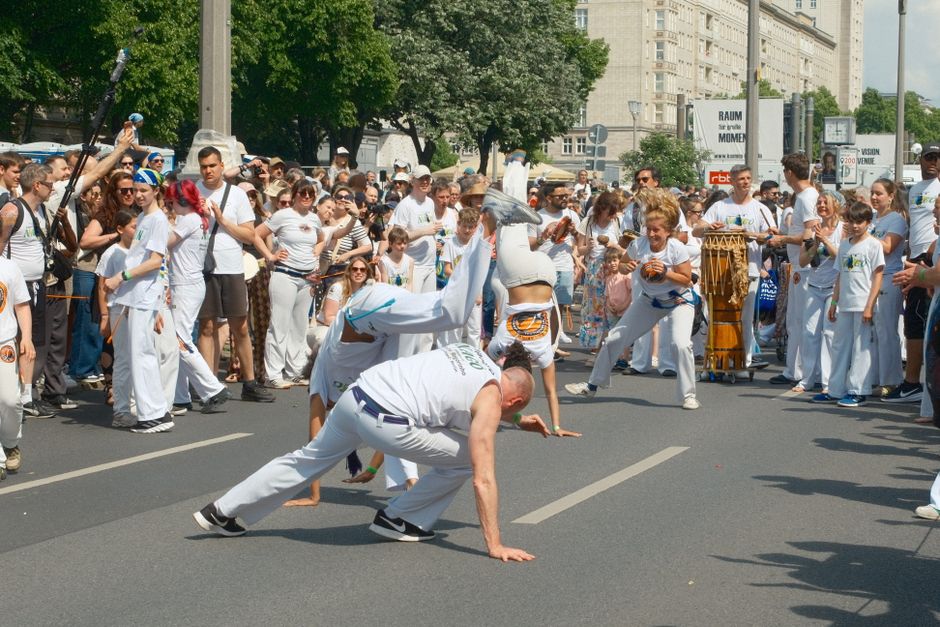
Walk past the Kunsthofpassage in Friedrichshain on any given weekend, and you'll notice something shift in Berlin's cultural weather. The festival circuit that once revolved around established names and institutional backing is making room—sometimes reluctantly—for curators under 35 who are rewriting what a Berlin festival looks like.
This summer marks a quiet turning point. While Loveparade-adjacent mega-events continue to draw crowds, emerging platforms like Neuland, a three-year-old collective based in Wedding, have begun pulling five-figure audiences. Their June showcase, held across three converted industrial warehouses near the Panke river, featured 47 artists—the overwhelming majority appearing at a major festival for the first time. Ticket prices hovered around €18, deliberately undercutting the €35-50 typical for Berlin's mid-tier festivals.
"We're not competing with Berghain or Wilde Renate," says the collective's operational framework, published openly on their website. "We're creating the infrastructure for the people those venues will book in five years." Data from Berlin's Cultural Senate shows emerging festivals now account for 12% of the city's documented festival attendance—up from 3% in 2019.
The shift is geographic too. While Kreuzberg and Prenzlauer Berg remain festival heartland, new energy clusters around less obvious coordinates: Lichtenberg's RAW-Gelände hosts fortnightly discovery nights; Reinickendorf's Community Culture Initiative has tripled programming since 2024. These aren't fringe operations—they're attracting the same audiences and sponsorship attention once reserved for established players.
The demographics matter. Berlin's emerging festival curators are disproportionately first or second-generation migrants, women, and non-binary organizers—a contrast to the older generation's profile. This shapes programming: multilingual performances, dance traditions beyond techno, comedy in Turkish and Arabic, visual art installations rooted in diaspora experience rather than European conceptual frameworks.
Industry observers note practical advantages too. Lower overhead (warehouse rentals vs. municipal venues), streamlined permitting (micro-festivals face less bureaucratic friction), and algorithmic discovery (TikTok and Instagram have replaced print publications as discovery engines for under-25s) have leveled playing fields that seemed permanently tilted.
The established festival circuit isn't disappearing—Carnival der Kulturen still draws 750,000 annually. But the momentum has undeniably shifted. This autumn, expect to hear new names hosting stages across the Spree. That's less a crisis for Berlin's cultural establishment than evidence of what's always been true: the city's next chapter writes itself before anyone's paying institutional attention.
This article was compiled by AI from the sources linked above and screened before publishing. See our editorial standards.
How does this story make you feel?
Spread the word
About this article
Published by The Daily Berlin
Daily brief
Free, in your inbox before 7am. Weekdays.
More in culture