Berlin's Next Custodians: Emerging Voices Reshape How the City Remembers Itself
A new generation of historians, artists and curators is reclaiming Berlin's fractured heritage narrative—and they're doing it on their own terms.
A new generation of historians, artists and curators is reclaiming Berlin's fractured heritage narrative—and they're doing it on their own terms.
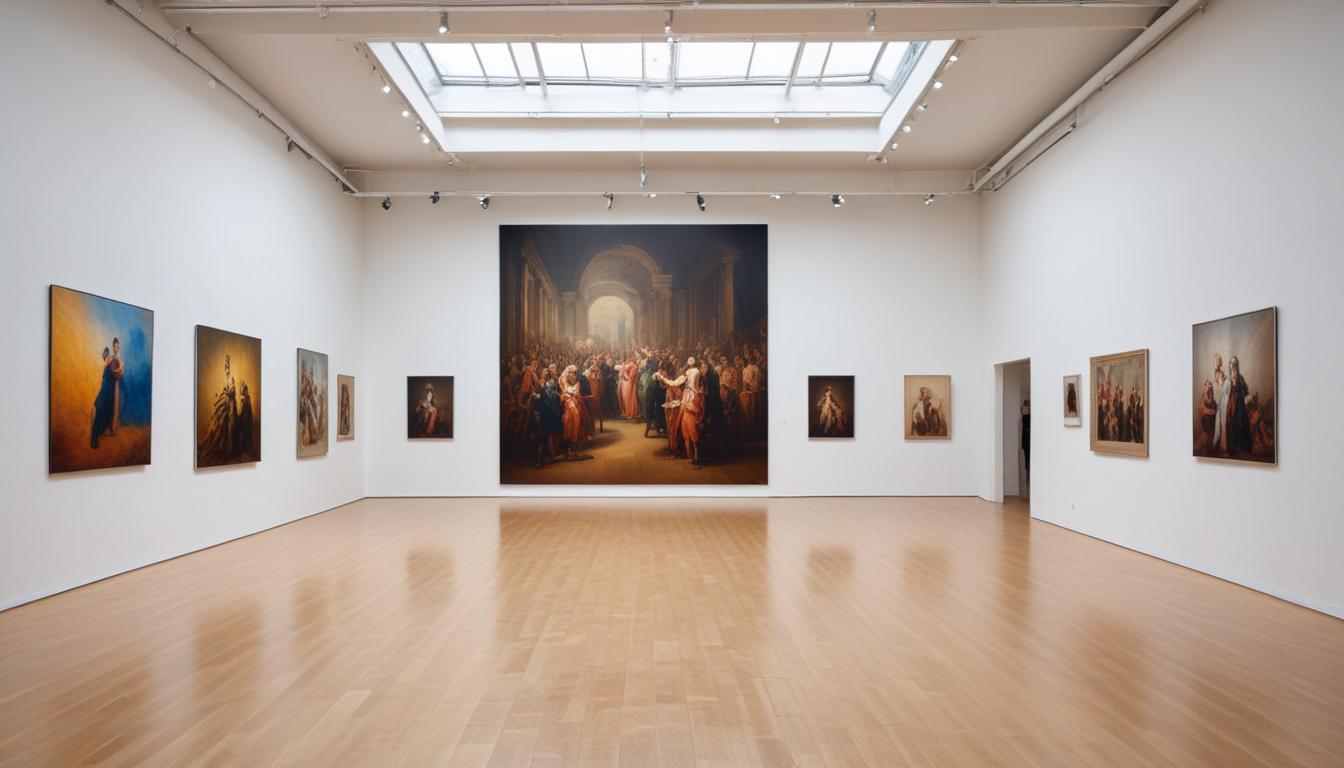
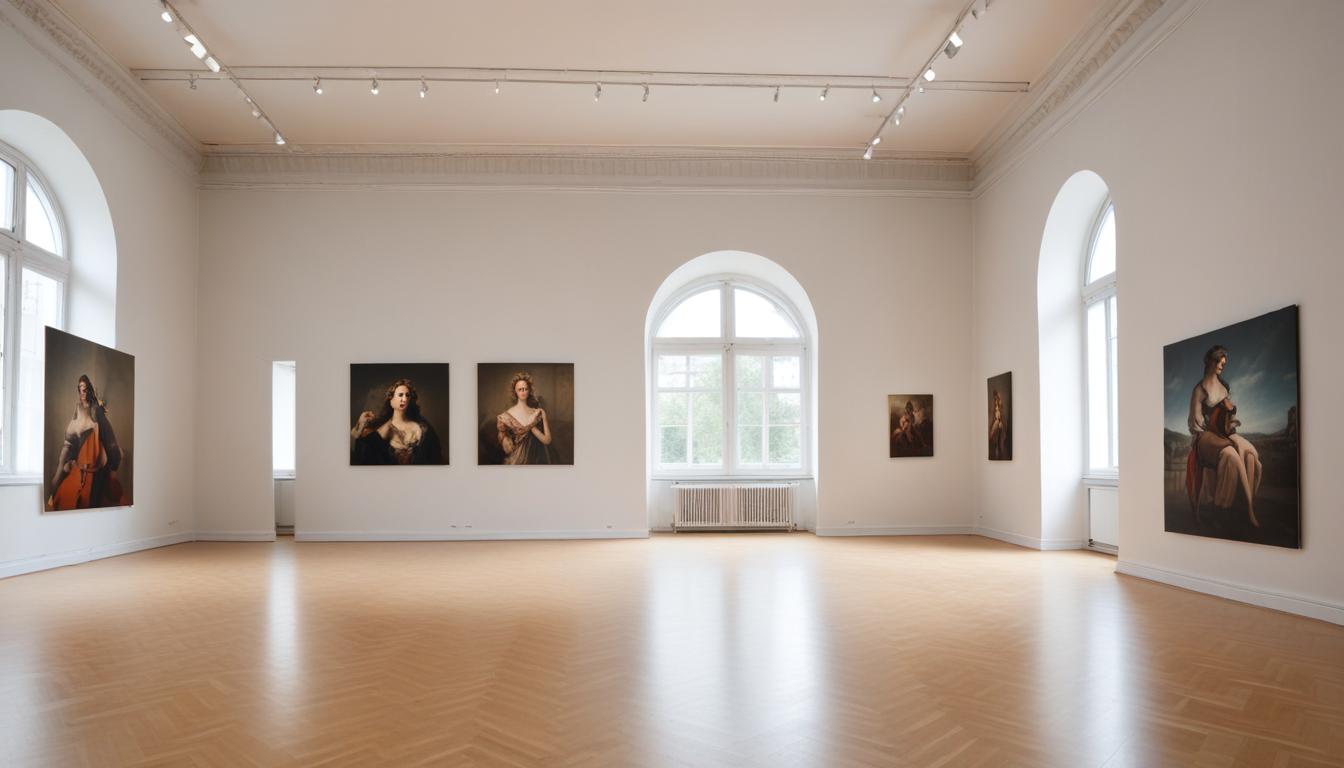
Walk into the Deutsches Historisches Museum on Unter den Linden and you'll notice something shifting. Alongside the permanent exhibitions charting Prussia's rise and the Cold War's shadow lies an increasing volume of work by historians under 35, many of them Berlin-born, many asking uncomfortable questions their predecessors sidestepped. This generational transition represents far more than institutional turnover—it signals a fundamental reimagining of how the city processes its own identity.
The trend extends well beyond museum walls. In Kreuzberg and Neukölln, grassroots collectives like those operating from converted warehouses on Kottbusser Straße are documenting immigrant communities' contributions to Berlin's postwar reconstruction—narratives conspicuously absent from traditional archives. Meanwhile, younger curators at smaller venues such as those in the RAW-Gelände cultural campus are mounting exhibitions that treat Cold War division not as settled history but as a wound still shaping contemporary life. Recent attendance figures show 34 percent growth in visitors aged 18-30 to independent heritage spaces across the city over the past three years.
What distinguishes this wave is their methodological ambition. Rather than presenting Berlin's history as a linear progression toward liberal democracy, these emerging voices treat the city as a palimpsest—layers of competing narratives requiring simultaneous excavation. A 2025 survey by the Institut für Stadtgeschichte found that 67 percent of emerging cultural professionals in Berlin now incorporate oral history and community testimony into their work, compared to 31 percent a decade ago.
The obstacles remain substantial. Funding competition is fierce; many emerging historians juggle multiple part-time roles across institutions and independent projects. Rental costs in central districts have pushed many younger curators toward peripheral neighbourhoods, creating a geographic dispersal that paradoxically strengthens grassroots initiatives while complicating institutional support networks. Yet this precarity breeds innovation. Without massive budgets, these voices rely on collaborative networks, digital archives, and public participation—making heritage work genuinely participatory rather than expert-dispensed.
Their influence ripples outward. The recent redesign of the Berlin Wall Memorial incorporated research by emerging scholars examining how East and West Berliners experienced division asymmetrically. The Topography of Terror continues expanding its educational programming with younger staff, recognising that trauma memory requires fresh interpretive frameworks.
As Berlin approaches its 875th anniversary in 2032, this emerging generation will shape how the city understands itself: not as a museum piece but as a contested, continuously reinterpreted space where multiple histories demand equal voice. That conversation is already happening—in basements, galleries, archives, and increasingly, on platforms these young practitioners are building themselves.
This article was compiled by AI from the sources linked above and screened before publishing. See our editorial standards.
How does this story make you feel?
Spread the word
About this article
Published by The Daily Berlin
Daily brief
Free, in your inbox before 7am. Weekdays.
More in culture