Tracing the Roots: The History and Evolution of Berlin’s Cultural Scene
From gritty post-war beginnings to today’s vibrant mix of art, music, and nightlife, Berlin’s cultural scene tells a story of resilience and reinvention.
From gritty post-war beginnings to today’s vibrant mix of art, music, and nightlife, Berlin’s cultural scene tells a story of resilience and reinvention.
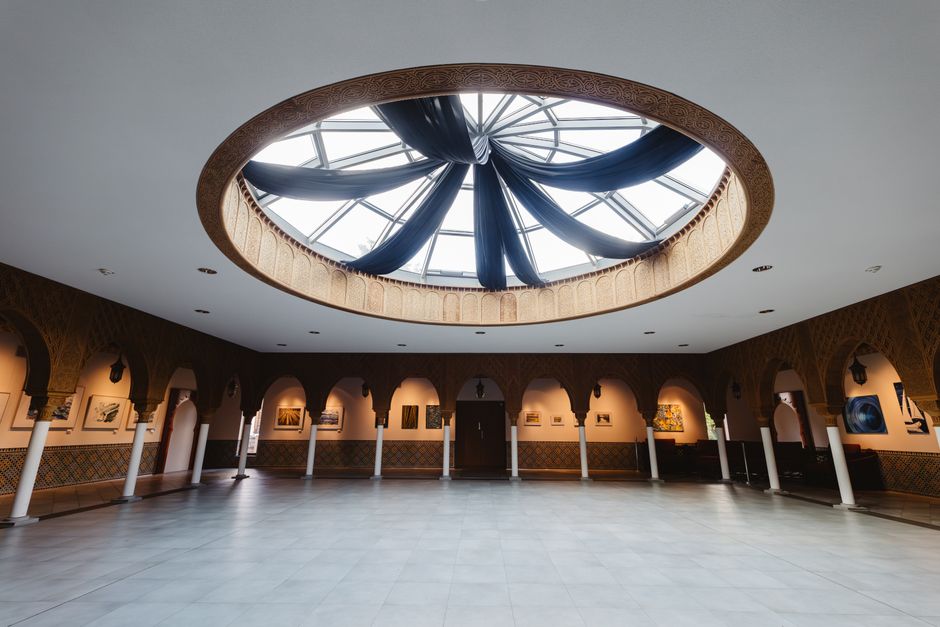
Berlin’s cultural scene today pulses with energy from every corner of the city, but its present vibrancy is the result of decades of transformation. Whether wandering through the Mitte district’s galleries or losing yourself in a techno club in Friedrichshain, understanding how this scene evolved makes every visit richer.
Why spotlight Berlin’s cultural history now? The city has just launched the annual Berlin Culture Festival, a month-long celebration showcasing heritage and modern expressions alike. As the festival kicks off on July 4, 2026, it offers a timely opportunity to explore how Berlin’s artistry grew from war-torn ruins to a global creative hub, especially when the world outside grapples with political unrest and climate challenges.
In the decades following World War II, Berlin was physically and ideologically divided. The fall of the Berlin Wall in 1989 marked not just a political shift, but a creative liberation. The former border zones around Bernauer Strasse became canvases for street artists, while abandoned factories in districts like Kreuzberg and Prenzlauer Berg transformed into underground clubs and art spaces.
Take, for example, the Kunsthaus Tacheles. Established in a former department store building on Oranienburger Strasse, it became a symbol of post-reunification cultural experimentation, hosting sculptors, painters, and performance artists from the early 1990s until its closure in 2012. Today, spaces like Urban Spree on Warschauer Strasse continue that legacy, combining gallery exhibitions with live music and street art workshops.
Another landmark is Berghain, the reclaimed power plant in Friedrichshain, which opened in 2004 and is widely regarded as central to Berlin’s techno music renaissance. Its strict door policy, cutting-edge sound systems, and marathon weekend parties have made it a beacon for electronic music lovers worldwide.
Berlin’s creative economy is a substantial part of the city’s identity and finances. According to the official Berlin cultural affairs office, the creative industries employed approximately 150,000 people in 2025, accounting for nearly 8% of Berlin’s workforce. This includes professionals in publishing, music, design, and film, sectors that have expanded sharply over the last two decades.
Affordability, crucial to early creative growth, is shifting with the city’s ongoing gentrification. Monthly rent for a small studio gallery or practice space in areas like Neukölln now averages between €700 to €1,200, compared to under €500 in the early 2000s. Yet, this increase hasn’t stifled innovation; rather, artists and organizations are seeking new venues in emerging neighborhoods like Marzahn and Lichtenberg, where rents remain accessible.
The Berlin Culture Festival features over 200 events, with tickets ranging from free entry to around €25 for special exhibitions or performances. The festival’s website advises visitors to plan ahead due to anticipated crowds, especially for headline events at the Berlinische Galerie and the Jewish Museum on Lindenstrasse.
As Berlin continues to nurture this vibrant creative ecosystem, visitors and locals alike are encouraged to explore both iconic venues and hidden gems, balancing the past’s authenticity with evolving contemporary trends. Whether through pop-up exhibitions, open-air concerts, or historic walking tours, the city’s cultural heartbeat remains unmissable.
How does this story make you feel?
Spread the word
About this article
Published by The Daily Berlin
Daily brief
Free, in your inbox before 7am. Weekdays.
More in culture


