culture
Berlin's grassroots movements reshape art, music, and public life
A new wave of community-driven initiatives is reshaping how Berlin experiences art, music, and public life in 2026.
How we reported this
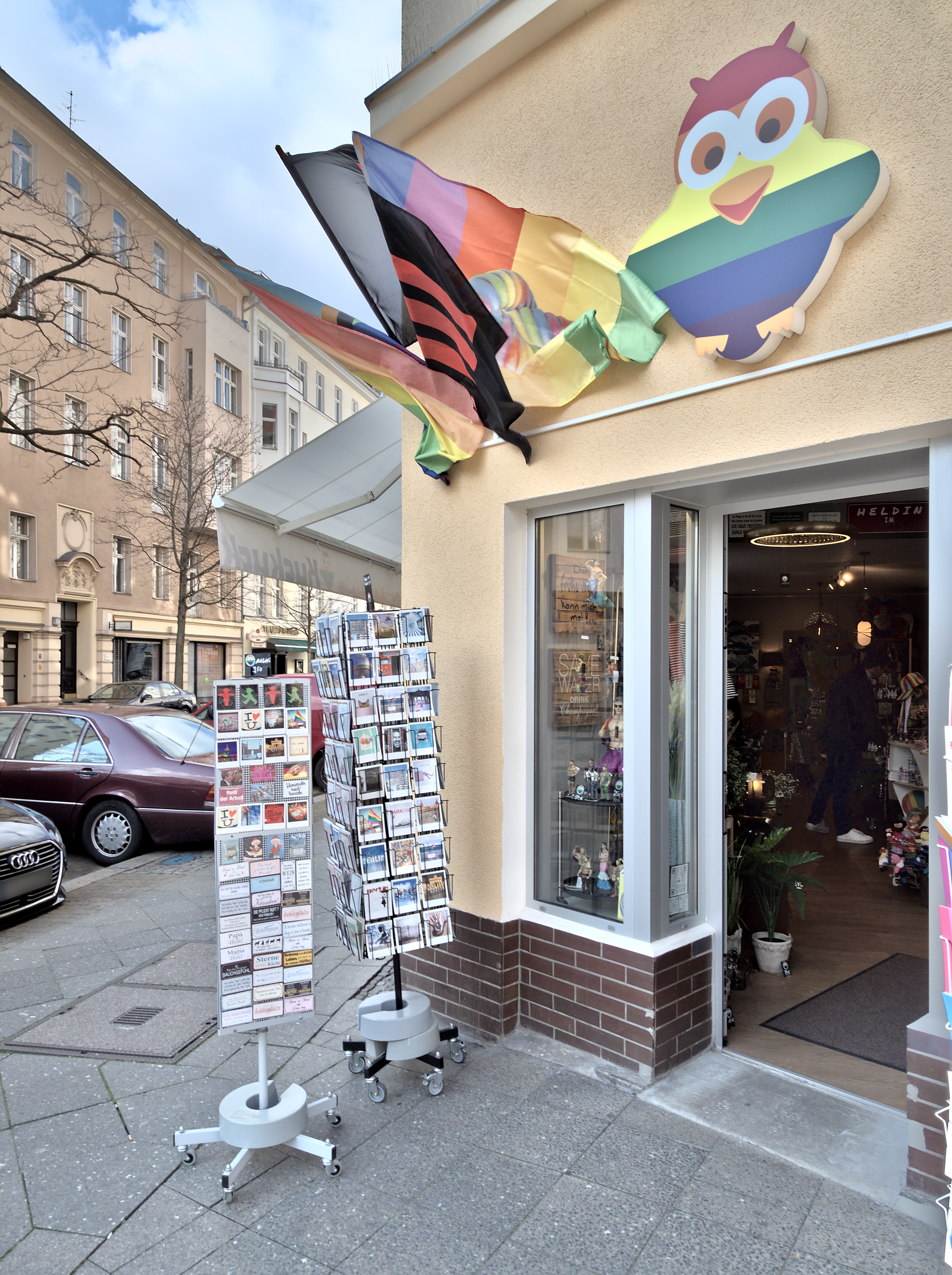
Berlin’s cultural calendar on July 4 is bursting with events rooted in community activism and collaboration, reflecting a broader shift in the city’s artistic scene. From interactive exhibitions at the Mehringhof Cooperative in Kreuzberg to sustainable art workshops hosted by the Kulturzentrum Pumpe in Wedding, locals are spearheading a movement to decentralize culture and make it more inclusive.
The importance of this cultural transformation is heightened today as Berliners seek spaces that foster both creativity and social cohesion amid rising urban challenges. With the city facing ongoing discussions about gentrification, rising rents, and climate pressures, community-led culture aims to build ties across diverse groups, blending artistic expression with social activism.
Fertilizing culture in community spaces
At Mehringhof, located on Mehringdamm Street, the cooperative's theater and gallery hosted an immersive performance piece this afternoon, created in partnership with local refugees and youth groups. This ongoing collaboration highlights how cultural production can serve as a platform for dialogue and empowerment. Meanwhile, Kulturzentrum Pumpe on Gerichtstraße ran a zero-waste printmaking workshop focused on environmentally conscious art. Both venues operate on modest budgets-Mehringhof’s annual funding hovers around €300,000, sourced largely from public arts grants and member contributions.
Additionally, the popular district library on Schönhauser Allee has rolled out the “Creative Berlin” program, which organizes free gallery talks, poetry readings, and open-mic nights. Participation has almost doubled over the last 12 months, reaching over 3,500 attendees per month, bolstering the neighborhood’s reputation as a cradle of grassroots culture.
Numbers reflecting a shifting cultural fabric
Data collected by Kulturprojekte Berlin reveals a 28% increase in community-based cultural initiatives between 2024 and 2026. Funding for these projects rose to approximately €15 million citywide this year, underscoring municipal commitment to sustaining localized artistic efforts. The average ticket price for events at venues like Mehringhof remains accessible, with most workshops and performances priced between €5 and €12. This affordability is crucial in a city where 2026 saw average rent prices in popular boroughs such as Neukölln climb by 7.5% compared to 2025.
Moreover, surveys conducted by local NGOs indicate that 62% of participants in community-driven cultural programs report a stronger sense of belonging in their neighborhoods. The demographic mix spans a broad age range, reflecting engagement from both young adults and retirees.
For Berliners planning their cultural itinerary today, tapping into these community hubs is more than a pastime-it is an entry point into a movement reshaping the city’s identity. Guidance on event schedules can be found via the Berlin Culture Portal or social media channels of venues like Kulturzentrum Pumpe and Mehringhof.
Looking ahead, the momentum suggests Berlin’s cultural shift will deepen, with ongoing support from local governments and grassroots organizers alike. Greater participation and dialogue are expected around issues such as affordable artistic spaces and inclusive programming, aiming to keep culture both vibrant and accessible across the city’s changing landscape.