Berlin’s Summer Heat: The Story Behind the Scene and the People Who Created It
As the thermometer hits 36 degrees in Neukölln, the city’s cultural vanguard is finding new ways to keep the scene alive.
As the thermometer hits 36 degrees in Neukölln, the city’s cultural vanguard is finding new ways to keep the scene alive.
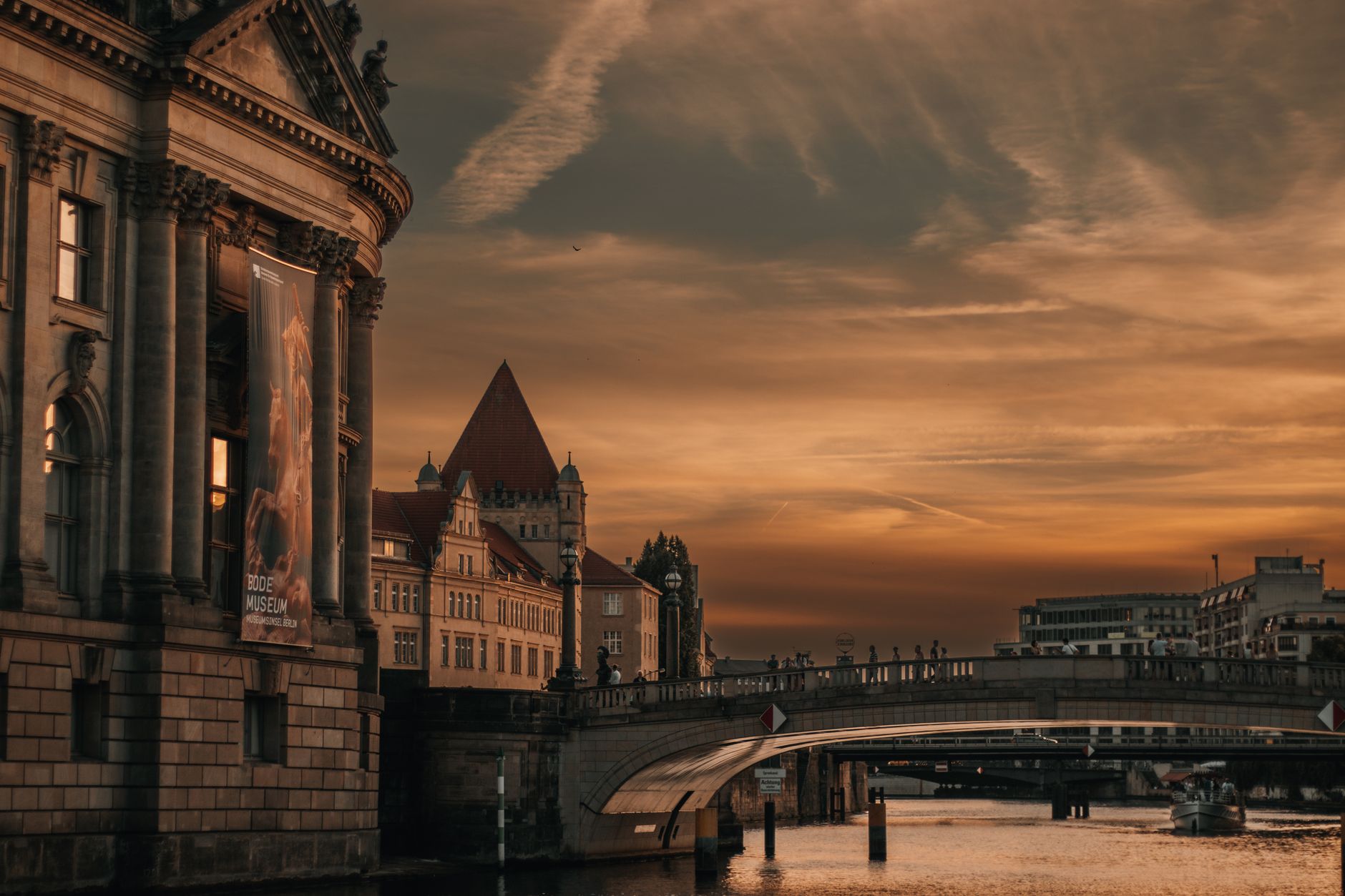
Berlin is sweltering under an unrelenting July sun today, but the city’s creative pulse hasn't skipped a beat. Across the canal in Kreuzberg, independent gallery owners and DIY collectives are shifting their operations to the pre-dawn hours and climate-controlled basements, refusing to let the record-breaking temperatures dictate the pace of the capital's cultural output. The ethos here remains unchanged: if the heat makes the streets of Oranienstraße impassable, you simply move the conversation underground.
The current scramble to adapt to the heatwave-which follows the tragic news out of France where authorities confirmed 2,025 excess deaths during last week’s peak-has accelerated a shift in how Berliners inhabit their city. Organizations like the Kulturstiftung Berlin have begun allocating emergency funds to retrofit historical performance spaces, focusing on ventilation and hydration infrastructure that was never designed for this intensity. At the iconic SO36 venue, the focus has shifted toward mid-week evening events that prioritize accessibility, ensuring that the local artistic community stays hydrated and safe while maintaining the venue's status as a neighborhood anchor.
The scene, however, isn't just about survival. It is about an intentional curation of space. Walking through the courtyards of the Hackesche Höfe, one notices the deliberate placement of misting systems and shaded art installations, a tactical design choice funded by the district's recent climate resiliency grant. This is the work of people who view public space as a shared asset, not just a backdrop. By repurposing old industrial laundries in Wedding into cooling-friendly project spaces, these organizers are demonstrating how to sustain a 24-hour city when the mercury pushes past the 35-degree mark.
Numbers from the Senatsverwaltung für Kultur indicate that private sector spending on summer programming is up 12% compared to the same period in 2025. That growth is reflected in ticket prices, which now routinely hover between 15 and 22 euros for experimental theater and ambient-music nights. While the cost of entry is rising, so is the quality of the infrastructure, as venues scramble to justify their overhead through better service and climate-conscious modifications. A standard pint of local lager at a Landwehr Canal pop-up currently costs 5.50 euros, a premium that patrons are increasingly willing to pay for the privilege of a ventilated, tree-shaded seat in the middle of a global heat anomaly.
For those looking to engage with the city tonight, the best strategy is to stay away from the exposed concrete of Alexanderplatz and seek out the shaded, repurposed industrial zones. The silent film retrospective at the silent green Kulturquartier in Wedding offers one of the most reliable cooling zones in the city, housed within a former crematorium that maintains a natural chill regardless of the exterior weather. As the city braces for the remainder of a volatile summer, remember that Berlin’s best work is rarely done in the glare of the midday sun. Plan your visits for after 8:00 PM, when the air begins to settle and the real work of the city’s creative engine begins to hum.
How does this story make you feel?
Spread the word
About this article
Published by The Daily Berlin
Daily brief
Free, in your inbox before 7am. Weekdays.
More in culture


