culture
Berlin’s Summer Shift: The story behind the scene and the people who created it
As the heat hits the Spree, the capital’s culture makers are swapping traditional galleries for the untamed fringes of the city.
How we reported this
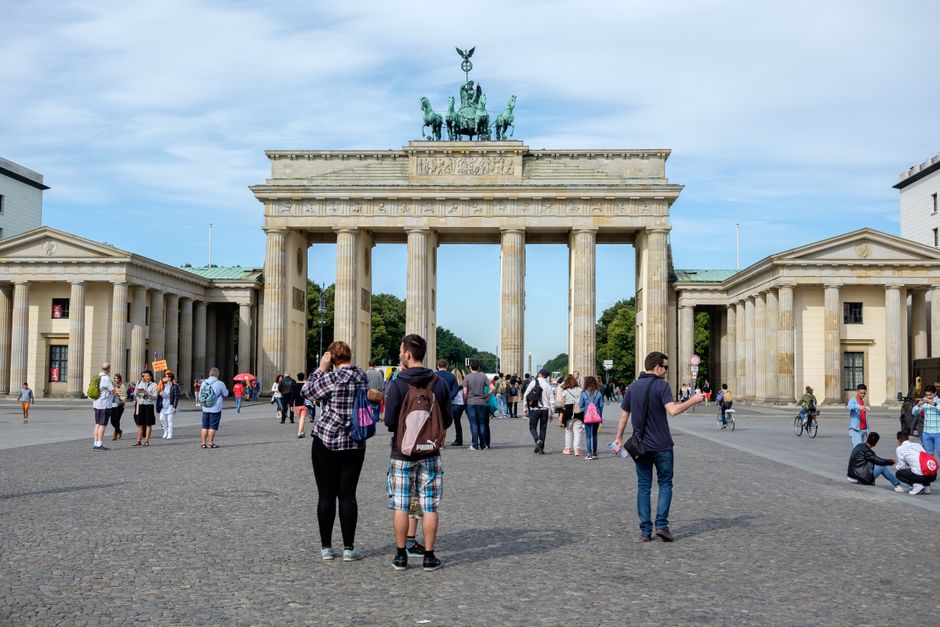
Berlin’s cultural pulse is migrating away from the polished white walls of Mitte and toward the industrial edges of Oberschöneweide and Marzahn this Saturday, July 5. While the city marks the height of the summer season, the local arts collective Kulturraum-Netzwerk has shifted its focus to reclaiming forgotten public spaces, turning post-industrial utility hubs into temporary performance venues.
The Architects of the Underground
This pivot reflects a broader reaction to the rising commercial rents that have pressured independent operators in Kreuzberg and Neukölln for the better part of three years. Organizers at the Haus der Statistik project near Alexanderplatz argue that the city's identity is currently being defined by these precarious, repurposed sites rather than established institutional programming. The effort is less about preservation and more about active intervention, ensuring that space remains accessible for local artists despite the pressures of a tightening commercial real estate market.
Today, visitors can find the results of this labor at the Funkhaus complex on Nalepastraße, where acoustics engineers and sound artists are hosting a collaborative residency. The site, formerly the broadcasting headquarters for the GDR, serves as a primary example of how Berliners are reimagining cold-war heritage to serve contemporary electronic music scenes. The site is currently managing a capacity of roughly 1,200 attendees for its evening experimental performances, according to internal booking logs published by the venue’s management board.
Metrics of a Changing City
Data from the Berlin Senate Department for Culture and Social Cohesion indicates that small-to-mid-sized cultural venues have seen a 14% increase in operating costs since early 2025. Despite these figures, independent creative initiatives have managed to sustain a presence in the city by pooling resources. Entry prices for today's curated events at the Revier Südost remain set at a flat 15 euros, a price point maintained by the collective to keep programming accessible to the city’s student population, as outlined in their public programming mission statement.
For those looking to experience the city’s current cultural output, the best approach is to avoid the standard tourist corridors. Public transit remains the most effective way to reach the fringe venues. Check the VBB live app for transit updates before departing, as weekend construction on the U8 line may delay travel to the northern sectors of the city. Attendees should also note that most experimental venues operate on cash-only policies at the door, reflecting the decentralized financial model these collectives rely on to maintain autonomy from larger corporate sponsors.