culture
Berlin’s Summer Shift: How Public Space Interventions Are Defining the City’s Creative and Cultural Identity
As July temperatures climb, a new wave of grassroots urban programming is transforming Berlin from a city of clubs into a city of shared, open-air cultural commons.
How we reported this
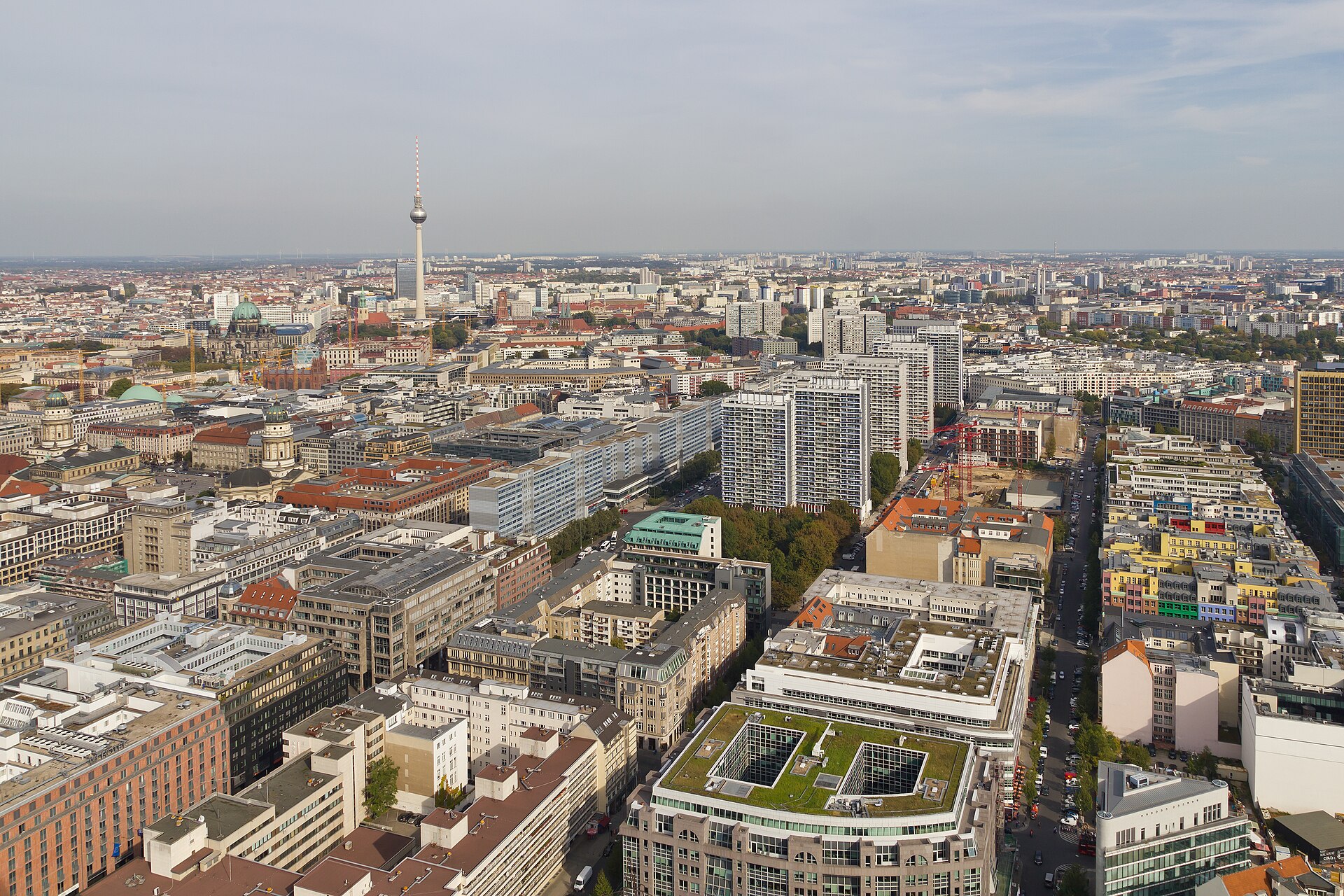
The sweltering heat across the Spree today has pushed the city’s creative core out of the dark, windowless rooms of Kreuzberg and into the sunlight. Across Berlin, the focus has shifted toward ephemeral urban design and public-access arts programming, marking a definitive change in how the capital presents its identity to the world. It is no longer just about the late-night industrial aesthetic; the city is increasingly defined by how it negotiates the use of its public squares, parks, and forgotten industrial gaps.
The Reclaiming of Urban Voids
The transformation is most visible at the Prinzessinnengarten in Neukölln and the roving exhibition spaces currently occupying the former railyards near Gleisdreieck. These sites serve as critical nodes where urban agriculture meets modern digital art installations. Organizations like Nomadisch Grün have spent the last several weeks curating public workshops that prioritize sustainability and local engagement over the traditional tourist-heavy nightlife model. This trend reflects a broader push to treat Berlin’s physical landscape as a flexible, adaptive canvas for community-led cultural production.
Data released by the Senate Department for Culture and Social Cohesion indicates that temporary usage permits for public art initiatives in Mitte and Friedrichshain have increased by 14 percent compared to the same period in 2025. This uptick underscores a strategic pivot: the city is actively incentivizing projects that keep residents in their neighborhoods rather than funneling them into the established commercial nightlife circuit. With entrance fees for these community-driven afternoon sessions often capped at 5 to 8 euros, or entirely free of charge, the accessibility of these events is starkly different from the rising costs of traditional venue entry.
A Blueprint for the Future
This shift to daytime, public-facing culture is shaping the next iteration of the city's brand. On Skalitzer Straße, the focus has moved toward mural-based storytelling that documents the rapidly changing demographic of the neighborhood. According to the Berlin Tourism Board’s mid-year report published on June 15, 2026, engagement with outdoor cultural historical tours grew by 22 percent during the second quarter. The city’s identity is leaning harder into its history of reinvention, moving away from being a mere backdrop for leisure and toward acting as a participant in its own cultural preservation.
For those looking to engage with this shifting landscape today, the best approach is to head toward the canal banks between Kottbusser Tor and Schlesisches Tor. Several pop-up art collectives, including those operating under the Art-in-Public-Space (KiöR) program, are hosting open-air discussions regarding the future of urban architecture. If you plan to attend, arrive before the mid-afternoon peak to avoid the worst of the heat, and note that most of these installations will conclude their current run by the end of July. As the city continues to grapple with rising temperatures and the demand for more communal living spaces, these temporary interventions are likely to become permanent fixtures in the official urban planning discourse for 2027 and beyond.