culture
Berlin’s summer rhythm: the community and movement driving this cultural shift
As July temperatures climb, local neighborhood collectives are reclaiming the city's public spaces with a new model of self-organized programming.
How we reported this
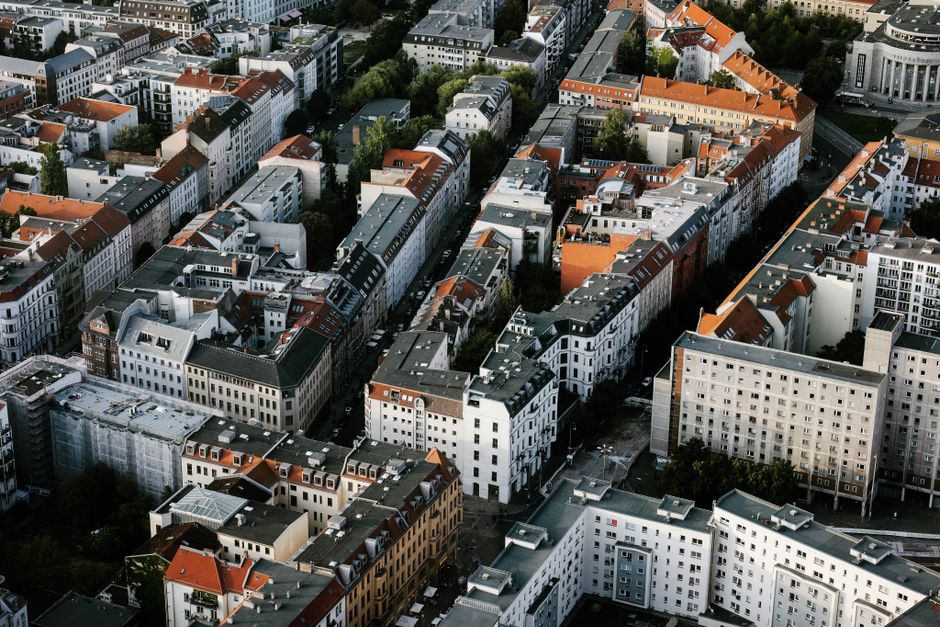
Berlin’s cultural temperature is rising this weekend, but not just because of the July heat. Across the districts of Neukölln and Wedding, informal collectives have moved beyond the traditional club-centric model, instead focusing on neighborhood-wide social infrastructure that blends urban gardening with collaborative exhibition spaces. Today, the focus shifts to the canal-side interventions where local organizers are hosting pop-up workshops intended to decentralize the city's arts scene.
Reclaiming the concrete and green
The push for these localized micro-events is rooted in a desire to combat the commercialization of Berlin's public squares. At the Prinzessinnengarten in Kreuzberg, the movement finds its most visible anchor. This site, managed by the Nomadic Green association, demonstrates how residents are bypassing municipal red tape to repurpose former wasteland into productive community hubs. Simultaneously, the silent courtyards of Olof-Palme-Platz have transitioned from transit zones into hubs for spontaneous performance art, a change driven by the recent proliferation of micro-grants provided by the Hauptstadtkulturfonds.
Data from the Berlin Senate Department for Culture and Social Cohesion indicates that interest in these hyper-local, grassroots initiatives has surged significantly. As of the May 2026 reporting period, the city’s neighborhood management program-Quartiersmanagement-recorded an 18% increase in funding applications for street-level festivals compared to the same time last year. Attendance at these outdoor, community-led gatherings now regularly exceeds 2,000 visitors per weekend in central districts, reflecting a shift in how residents prioritize their leisure time.
The cost of communal participation
Participating in this movement remains largely accessible, though the economics of Berlin’s nightlife and arts sector continue to fluctuate. A standard weekend entry fee for independent art spaces in Mitte now averages between 8 and 12 euros, though many of the outdoor workshops scheduled for this Saturday are free to the public. For those looking to engage with this shift, the most practical approach is to check the current listings on platforms like Berlin.de or the local bulletin boards located outside the S-Bahn stations at Hermannplatz and Wedding.
As the sun sets over the Spree this evening, the impact of these organizers will be most visible in the impromptu sound installations and community tables lining the Landwehrkanal. While the city’s large-scale institutions continue their standard summer programming, the real shift is happening on the sidewalk. Residents are advised to carry cash for small, local vendors and to keep an eye on neighborhood social media channels, as many of these events rely on real-time, peer-to-peer updates to navigate changing weather conditions and local noise ordinances.