culture
Berlin’s Summer Shift: The Story Behind the Scene and the People Who Created It
As the heat hits the Spree, the capital’s cultural infrastructure is being redefined by those working behind the scenes at the city's most enduring venues.
How we reported this
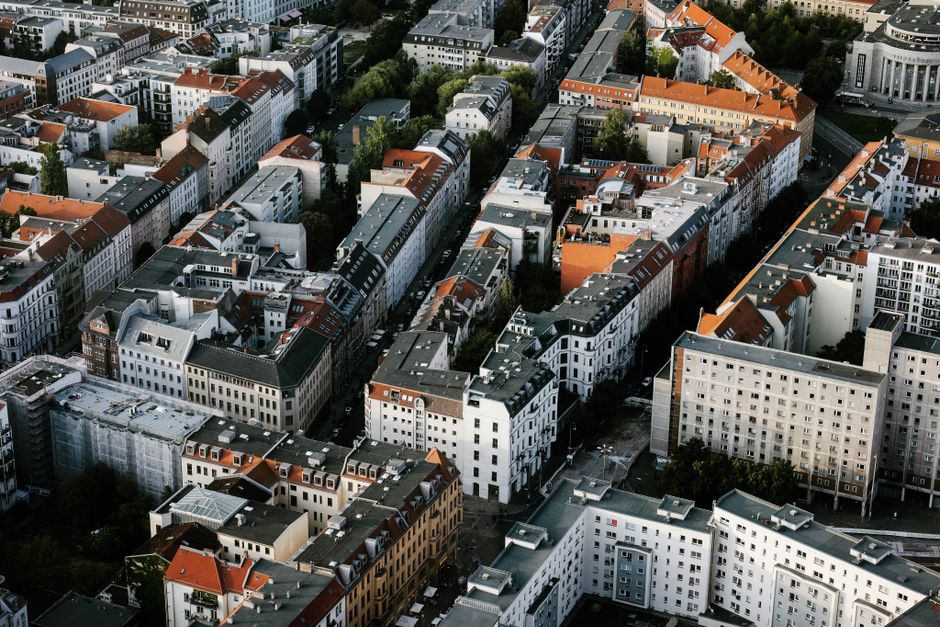
Berlin’s summer rhythm peaked this Saturday as temperatures in the Mitte district hovered near 28 degrees Celsius, pushing residents away from the usual gallery queues and toward the city's reclaimed industrial spaces. While the headlines today are dominated by the funeral proceedings in Tehran and the fallout from the U.S. 250th-anniversary celebrations, the local focus is squarely on the endurance of the spaces that keep the city’s creative output moving.
The Architecture of After-Hours
The cultural life of Berlin remains tethered to the history of its adaptive reuse projects, most notably seen at the RAW-Gelände in Friedrichshain. This former train repair depot has become a microcosm of the city’s struggle to balance commercial expansion with original artistic intent. Behind the heavy graffiti-covered walls of venues like Cassiopeia, local collectives have spent the last decade navigating strict municipal zoning requirements. According to the Senate Department for Culture and Social Cohesion’s 2025 annual report, the city saw a 4% increase in applications for temporary cultural use permits, a trend largely driven by independent curators aiming to secure space before upcoming residential developments break ground on the nearby Revaler Straße.
This shift isn't just about nightlife; it's about the labor of the curators at institutions like the Hamburger Bahnhof. As the museum manages its transition toward more experimental contemporary installations, the focus has moved toward public access initiatives. The museum recently announced an entry fee structure for special exhibitions starting at 14 euros, a move designed to stabilize operational costs following the inflationary pressures of the previous fiscal year. The staff behind these decisions operate with the knowledge that Berlin’s status as a global creative hub depends on sustaining these mid-sized cultural anchors, rather than just the blockbuster state-funded galleries.
Sustaining the Creative Economy
The economic reality of running these spaces is stark, with the average commercial rent in popular districts like Kreuzberg climbing by 6% over the last 18 months, as documented in the Berlin Commercial Real Estate Monitor. Despite this, the people behind the scene-the sound engineers, the archival technicians, and the independent project managers-continue to lobby for “culture-first” protections within the city’s urban development master plan. Projects such as the ongoing maintenance of the Holzmarkt area represent a successful, albeit expensive, model for community-owned land management that prioritizes artistic production over high-density commercial office space.
For those looking to engage with this scene today, the best entry point remains the weekly markets and neighborhood-run film screenings. Residents are encouraged to visit the silent film program at the Babylon cinema on Rosa-Luxemburg-Straße, which celebrates its historical role as a hub for both avant-garde and political cinema. If you are planning a visit, check the latest programming via the venue’s official online portal before 6:00 PM, as many of these smaller, independent institutions have moved to a digital-only booking system to reduce administrative overhead costs. While the world outside Berlin faces global uncertainty, the city’s cultural managers remain focused on the quiet, methodical work of keeping their doors open until dawn.