culture
Berlin’s Summer Pulse: A Look at the History and Evolution of this Local Scene
From the derelict industrial sites of the post-Wall era to the curated cultural hubs of 2026, the capital’s recreational landscape continues its restless transformation.
Listen in English · 4 min
How we reported this
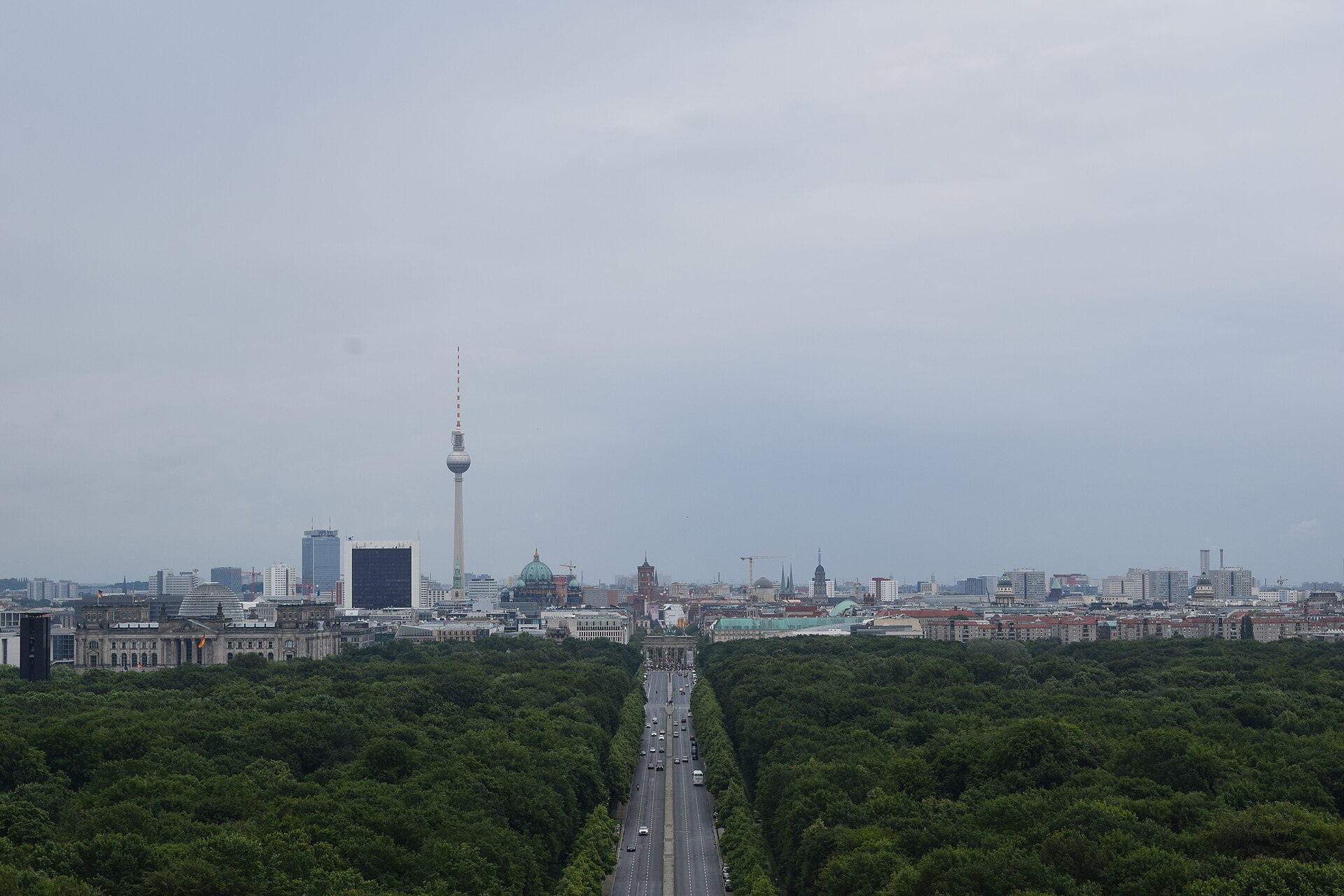
Berlin’s cultural calendar reaches its mid-summer peak today, July 5, 2026, as the city’s parks and repurposed industrial spaces host a sprawling array of performances and public exhibitions. While the current energy leans toward high-tech installations and open-air modular music, the city’s approach to leisure remains inextricably tied to the rapid physical shifts that defined its urban development following 1989.
From Treptower Ruins to Museum Complexes
The evolution of this scene traces back to the early 1990s, when the vacuum left by the collapse of the GDR turned neglected factories and warehouses in districts like Friedrichshain and Mitte into fertile ground for experimental art. Venues such as the Kunsthaus Tacheles, once a squat on Oranienburger Straße, set the tone for a decade of grassroots institutionalism. Today, that spirit has migrated from illegal raves to state-supported cultural anchors like the Berlinische Galerie. The gallery, situated in a former glass wholesale warehouse, now exemplifies how the city preserves its edge while formalizing the once-transient art scene into a permanent public utility.
The shift is further evident in the reclamation of the Spree riverbanks. Where once perimeter fences blocked access, the Holzmarkt complex now stands as a testament to the city’s push for collaborative urban development. According to the Berlin Senate Department for Culture and Social Cohesion, the municipal cultural budget for 2026 has been allocated to maintain over 150 diverse venues, with recent funding reports showing a 4% increase in support for non-traditional public performance spaces compared to the 2023 fiscal year. Entry prices for state-run museums currently hold steady at an average of 12 Euros, providing a baseline of access that persists despite the city’s accelerating gentrification.
Navigating the Current Cultural Map
For those looking to engage with the city today, the dichotomy between the old and new is most visible in Neukölln and Kreuzberg. The Prinzessinnengärten, a community garden project that started as a temporary installation in 2009, continues to function as a living archive of the city’s environmental and social aspirations. Meanwhile, the weekend’s events at the Tempelhofer Feld represent the ultimate evolution of the space; once a tactical aviation site, the tarmac is currently serving as a focal point for the city’s summer festival programming, utilizing 355 hectares of public land that remains protected from development by the 2014 Tempelhof Law.
The best way to observe this evolution is to move beyond the tourist centers of Mitte. A walk through the industrial remnants along the Landwehr Canal highlights how local initiatives have repurposed 19th-century infrastructure into modern social nodes. Visitors are encouraged to check the daily schedules on the Berlin.de portal before heading out, as sudden localized weather shifts-a recurring feature of the Berlin summer-often trigger venue relocations from outdoor courtyards to internal halls at short notice.