culture
Berlin's Weekend Markets and Galleries Define Creative Identity
From the Mauerpark flea market to the galleries of Auguststraße, Berlin’s weekend rituals reflect a shifting approach to civic life and artistic expression.
How we reported this
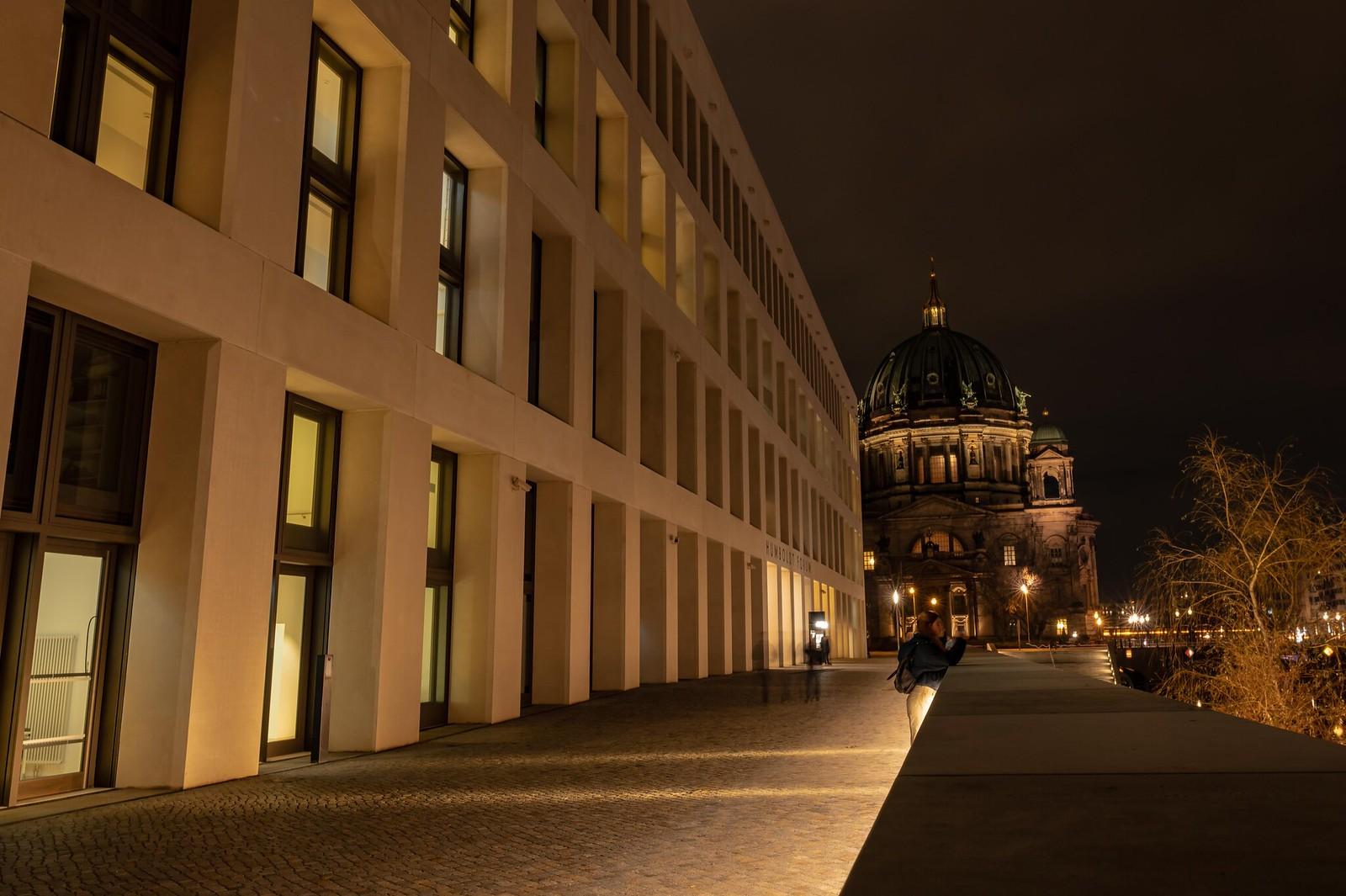
Berliners are reclaiming their public spaces this Sunday, marking a period of renewed engagement with the city’s complex history and its evolving creative landscape. As residents gather across the capital, the focus has moved away from commercial saturation toward localized, community-driven cultural experiences that define the modern identity of the city. This shift arrives at a time when global instability elsewhere contrasts sharply with the measured pace of a Berlin weekend, where the emphasis remains firmly on public access to history and the arts.
The intersection of history and art
In neighborhoods like Mitte, the synergy between heritage and contemporary production is palpable. The galleries situated along Auguststraße provide a window into how the city reconciles its past with a forward-looking artistic agenda. These spaces do not merely exhibit works; they serve as sites of constant negotiation between the physical ruins of the 20th century and the aspirations of current residents. By repurposing former industrial or residential structures, these galleries ground Berlin’s creative output in its actual geography, ensuring that art remains inextricable from the urban fabric.
Simultaneously, the weekly assembly at Mauerpark in Prenzlauer Berg continues to serve as an unconventional classroom for cultural exchange. The park, which sits on the former path of the Berlin Wall, has evolved from a site of division into a focal point for performance art, impromptu street music, and local exchange. This transition highlights a broader trend: the city’s identity is increasingly forged in the gaps between official institutions, favoring the organic and the improvised over the curated or the corporate.
Defining the cultural calendar
Data suggests that participation in these decentralized cultural activities is at an all-time high for the summer season. According to figures provided by VisitBerlin, the city’s cultural tourism sector-which supports a wide network of local galleries and independent event spaces-has observed a significant uptick in attendance for outdoor exhibitions compared to the same period in 2025. Prices for entry into the state-run museums, such as those located on Museum Island, remain accessible, with standard adult admission fees currently set at 12 euros, allowing for sustained engagement with the city’s primary historical collections throughout the year.
As the day progresses, the city’s cultural rhythm flows toward the independent cinemas and project spaces in Neukölln and Kreuzberg. These venues, often operating with minimal funding, are the real engines of Berlin's cultural output. For those looking to participate, the recommendation is to step away from the major tourist corridors. Seek out the small-scale community workshops and independent cinema screenings that populate the side streets, as these represent the most authentic articulation of the city’s current cultural shift.