culture
Emerging Voices in Berlin’s Street Art Scene: The Next Wave to Watch
New murals and fresh talent are reshaping Berlin’s urban canvas, signaling a vibrant future for the city’s street art culture.
How we reported this
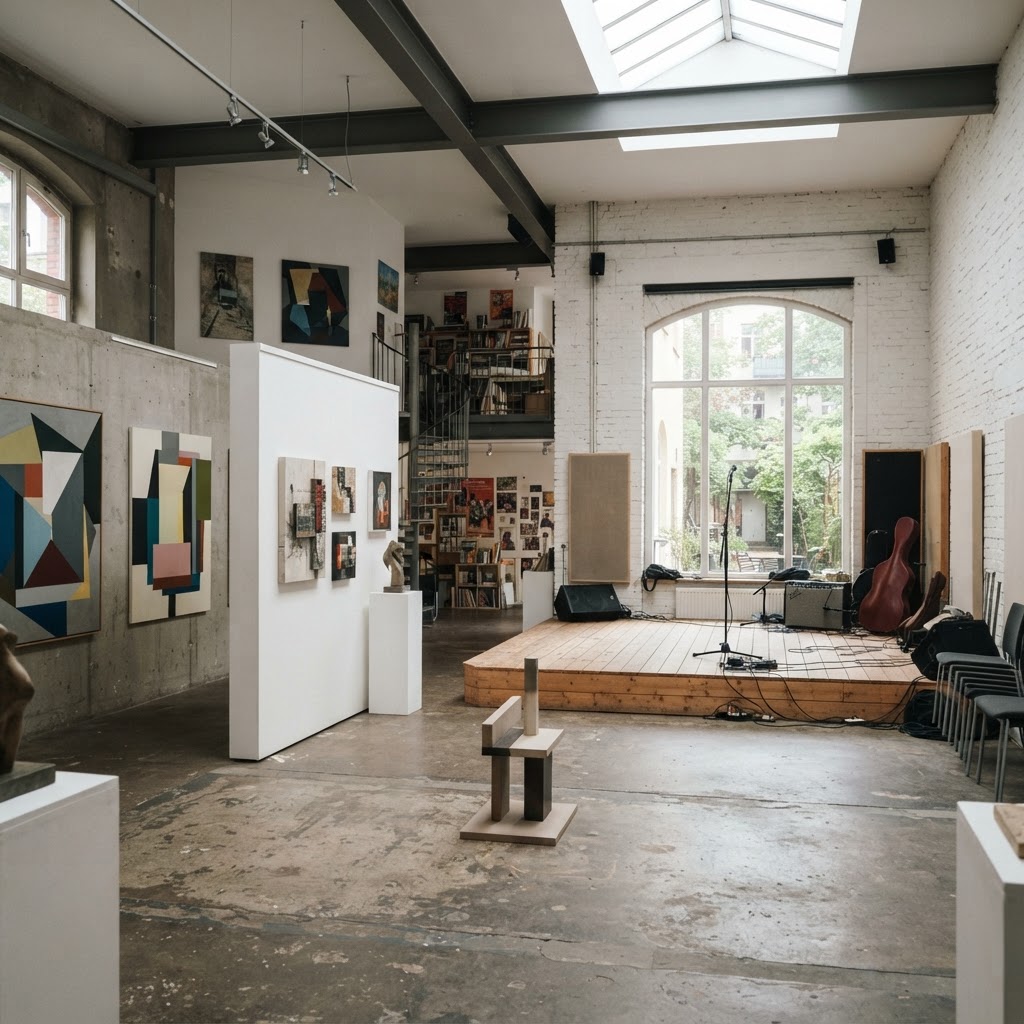
Berlin’s street art scene is undergoing a dynamic transformation as a fresh generation of artists brings new energy and perspectives to the city’s walls. Recent projects, including the East Side Gallery’s latest mural commission and initiatives at the Urban Nation Museum for Urban Contemporary Art, highlight emerging voices that are gaining momentum in the local cultural landscape.
Why New Talent Matters Now
The significance of Berlin’s new wave of street artists comes at a moment when public art is reclaiming urban spaces after years of pandemic restrictions. As tourism rebounds and outdoor cultural programming resumes, the city’s expansive open-air art galleries are attracting a wider audience. Beyond aesthetics, these murals address pressing social and political themes, reflecting Berlin’s complex identity and ongoing conversations about community, migration, and environmental change.
Furthermore, with the real estate market tightening and traditional galleries less accessible to younger creators, street art provides a vital platform for artistic expression and discourse. This upsurge in visibility aligns with Berlin’s long-held reputation as a global hub for countercultural movements and innovative art forms.
Local Initiatives Spotlighting Emerging Artists
Two key hubs are spearheading attention on rising stars in the street art realm. Urban Nation, located in the Schöneberg district, recently launched the “NextGen Walls” program, commissioning ten emerging artists to create site-specific murals across Berlin neighborhoods. Complementing this is the East Side Gallery’s curated renewal project along Mühlenstraße, where young talents are invited to reinterpret the iconic Wall segments, blending history with contemporary themes.
These organizations also run workshops, community engagement events, and artist residencies, fostering collaboration and experimentation. City officials have supported these efforts financially, allocating €500,000 for urban art projects in 2026 to enhance Berlin’s public spaces and support artistic diversity.
Additionally, non-profit collectives like Monumenta-which operates primarily around the Kreuzberg and Friedrichshain areas-continue to nurture muralists by securing legal wall spaces and organizing street art festivals that draw crowds numbering in the tens of thousands annually.
Data and Momentum Behind the Movement
According to the Berlin Senate Department for Culture and Europe, the budget dedicated to public art initiatives grew by 25% in the last two years, with street art projects comprising a significant share. Visitor numbers to the Urban Nation museum topped 120,000 in 2025, indicating heightened public interest. Meanwhile, property owners participating in legal mural programs have reported not only enhanced neighborhood aesthetics but also increased foot traffic, benefiting local businesses.
Art market observers note that contemporary street art commissions in Berlin have started fetching prices upwards of €30,000 for large-scale murals by newly established artists, signifying growing recognition and economic potential for the sector.
Importantly, this momentum also coincides with increasing debate about the limits and opportunities of street art amid urban development pressures, making the voices of emerging creators all the more crucial in shaping the city’s cultural future.
For Berliners and visitors alike, the evolving murals offer a living gallery that is accessible and ever-changing, reflecting the city’s pulse and diverse narratives.
What to Watch and Where to Experience It
Those keen to explore the next generation of Berlin street artists can visit the latest “NextGen Walls” installations marked on the Urban Nation website, primarily around Schöneberg’s Wittenbergplatz and the up-and-coming neighborhoods of Neukölln. The East Side Gallery continues to host public tours focusing on the newly added works launched in June 2026.
Art fans should also keep an eye on the Monumenta collective’s calendar for upcoming festivals set for September and November, which will showcase emerging talent through live painting sessions and artist talks. These events offer unique opportunities to engage directly with creators shaping Berlin’s urban identity.
As Berlin’s street art landscape expands and diversifies, supporting these artists through attendance, patronage, or simply sharing their stories will be essential to sustaining this vibrant cultural ecosystem.