culture
The Community and Movement Driving Berlin's Cultural Shift in Museums and Galleries
Grassroots initiatives and collaborative networks are reshaping Berlin’s art spaces, fostering inclusivity and innovative cultural expression amid a dynamic local scene.
How we reported this
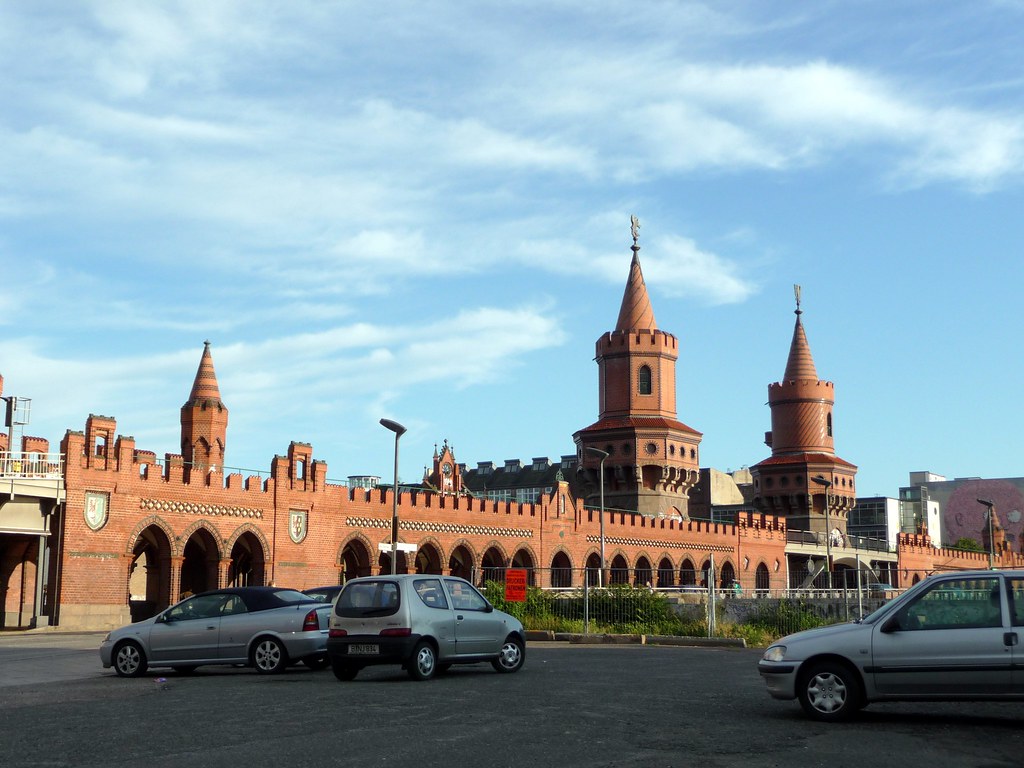
Berlin is witnessing a profound transformation in its museum and gallery landscape, fueled by an active community of artists, curators, and residents who are challenging traditional cultural hierarchies. Key players in this movement include the Kreuzberg-based artist collective Urban Mosaic and the Neukölln initiative KunstKollektiv, both fostering inclusive art spaces that prioritize community engagement over commercial gain.
This shift matters now more than ever as Berlin struggles to balance rapid gentrification with preserving its reputation as an open and experimental hub for the arts. Amid rising rents and the pandemic-driven acceleration of cultural consumption online, activists and creative professionals are banding together to reclaim public space through innovative exhibitions and programs. Their efforts align with broader European conversations about democratizing art access and expanding the roles museums and galleries play in society beyond aesthetic presentation.
Local Hubs of Cultural Innovation
Urban Mosaic, headquartered near the vibrant Hallesches Tor on Möckernstraße, launched its latest project in March 2026 - "Neighborhood Narratives" - inviting local residents to co-create installations reflecting Kreuzberg’s multicultural identity. Meanwhile, KunstKollektiv in Neukölln operates out of a refurbished warehouse on Weserstraße, hosting monthly open studio nights and workshops designed to unleash artistic talents for community storytelling. These initiatives have been buoyed by support from the Berlin Senate Department for Culture, which allocated €450,000 in funding for grassroots cultural projects in the first half of 2026.
In addition to physical spaces, digital platforms like "ArtSicht"-a Berlin start-up connecting artists directly with residents for collaborative projects-have expanded cultural participation during lockdown periods. This fusion of digital and analog engagement underscores the movement’s commitment to accessibility and evolving community needs.
Evidence of a Growing Cultural Ecosystem
Statistics from a July 2026 survey conducted by the Berlin Cultural Forum reveal that 37% of Berliners now attend local community-led exhibitions or events at least quarterly, compared to 22% five years ago. Participation rates among younger demographics (ages 18-34) have notably doubled, suggesting enhanced inclusiveness and relevance. Moreover, the average ticket price for these community-oriented gallery events remains affordable, averaging €6, significantly lower than mainstream museum entry fees that average €12 to €15.
Attendance and revenue data from venues like Urban Mosaic’s popup gallery and KunstKollektiv’s workshops indicate sustainable models can coexist with low financial barriers, countering fears of exclusivity creeping into Berlin’s cultural scene as market pressures mount.
Looking ahead, the movement’s momentum is set to continue with the upcoming "Open Walls Festival" scheduled for September 2026 in Friedrichshain. Organizers aim to unite over 50 artists and 20 cultural groups to activate public spaces with murals, performances, and interactive exhibits. For Berliners and visitors looking to get involved, local art centers and community bulletin boards remain key resources for finding participatory events. Those interested should also watch for application windows opening for residencies and collaborative projects launching in early autumn.
In fostering vibrant, community-driven art experiences, Berlin’s grassroots cultural movement redefines what museums and galleries can be, embedding them more deeply in the city’s everyday life and collective identity than ever before.