culture
Theater and Performance: Shaping Berlin’s Cultural Identity in 2026
From the Spree’s banks to Mitte’s stages, Berlin’s theater scene is driving the city’s creative revival and defining its cultural narrative.
How we reported this
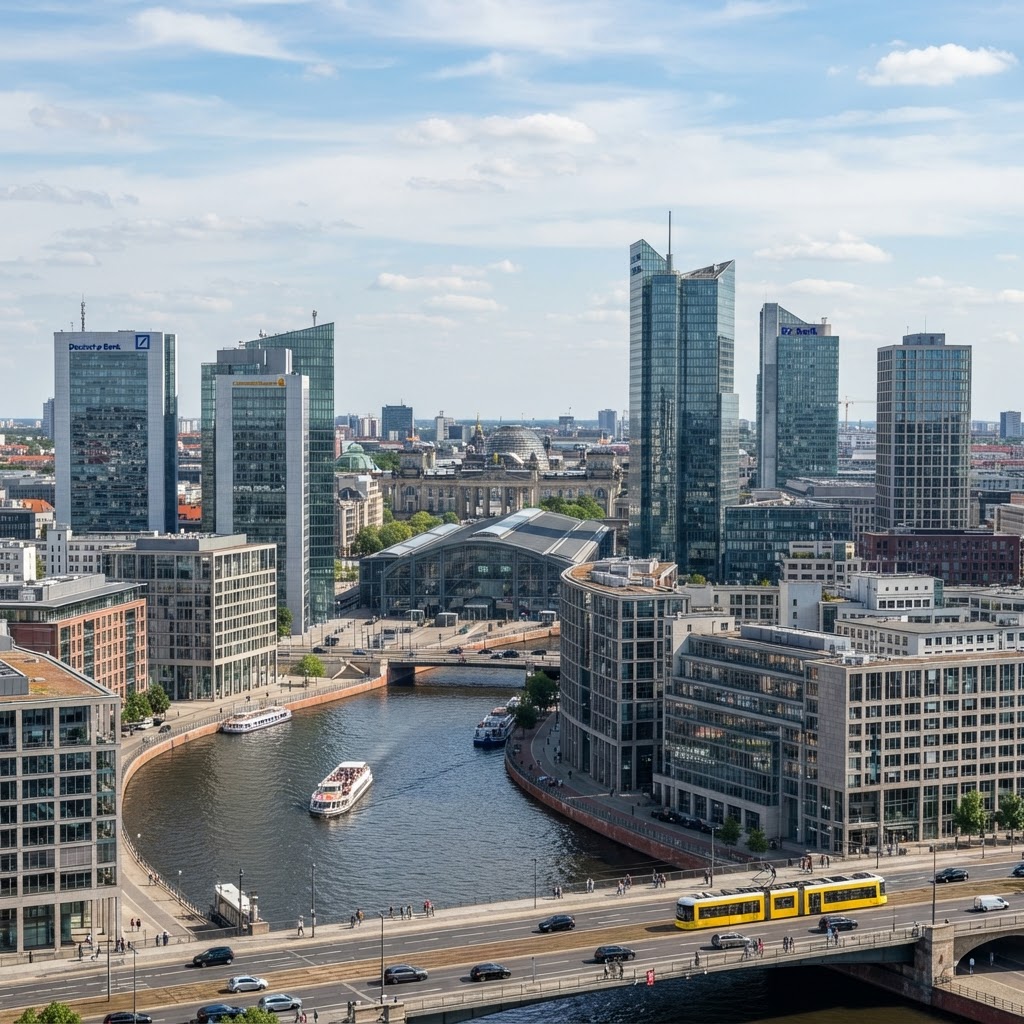
Berlin's theater and performance scene is experiencing a renaissance that is actively shaping the city’s cultural identity and attracting global attention. With record-breaking attendance figures and an influx of innovative productions, the capital’s creative sector is consolidating its position as a vibrant hub for performance arts in Europe.
The resurgence comes amid wider efforts to re-establish Berlin’s international cultural standing post-pandemic and in the face of mounting global tensions that have made cultural diplomacy more critical than ever. After years of challenges, theaters are reopening with bold programming, combining cutting-edge technology and traditional storytelling-a trend that resonates with both longtime residents and a younger, diverse audience keen on engaging with Berlin’s dynamic urban narrative.
Berlin's Theatrical Landscape: Key Players and Venues
Two key centers of activity highlight this transformation. The Berliner Ensemble, located on Behrenstraße near Unter den Linden, continues to preserve its legacy while embracing experimental dramaturgy, recently launching a digital archive project aimed at bridging past and present performances. Meanwhile, Sophiensäle in Mitte offers an intimate space for emerging artists and interdisciplinary collaborations, hosting over 300 events annually that blend theater, dance, and multimedia installations.
Complementing these venues, the Berlin Theater Festival (Berliner Theaterfestival) returns this October with a program focusing on intercultural dialogue and political narratives, featuring over 40 productions from local and international artists. The festival is critical in sustaining Berlin's reputation as a place where innovative and socially relevant theater thrives.
Data and Impact on the City’s Economy and Culture
According to a recent report by Berlin’s Senate Department for Culture and Europe, theater attendance in the city rose by 22% in the first half of 2026 compared to 2025, reaching approximately 1.8 million visitors across the city’s major stages. The sector contributed €175 million to the local economy, including ticket sales averaging €20 per show and associated spending in restaurants, hotels, and shops.
Furthermore, Berlin’s diverse theater ecosystem supports over 5,000 jobs, ranging from performers and technicians to marketing and administration staff. Local initiatives such as the "Kulturelles Erbe Berlin" grant program have awarded €4 million this year to theaters focusing on innovative and socially conscious productions, underscoring the city's commitment to nurturing its creative industries.
With urban districts like Kreuzberg and Friedrichshain also seeing a rise in independent theater venues, the city’s cultural fabric is stretching beyond the established centers, connecting with grassroots communities who use performance as a platform for dialogue about identity, history, and migration.
Looking ahead, Berliners interested in experiencing this cultural boom have many options. The Berliner Ensemble’s season ticket, priced at €120, offers access to 10 performances, making world-class theater accessible to a broad audience. Meanwhile, Sophiensäle hosts monthly open rehearsals, providing behind-the-scenes insights for enthusiasts and aspiring professionals alike.
Theater's role in defining Berlin’s creative identity is more than aesthetic; it is a driver of economic vitality and social discourse. As the city prepares for the 2027 European Capital of Culture festivities, the performance scene will play a central role in showcasing Berlin’s resilience and innovative spirit to the world.