culture
Berlin’s Karneval der Kulturen Kicks Off: What’s Happening Now and Why It’s Trending Locally
The vibrant Karneval der Kulturen hits the city streets this weekend, drawing crowds and sparking conversations about diversity and urban culture in Berlin.
How we reported this
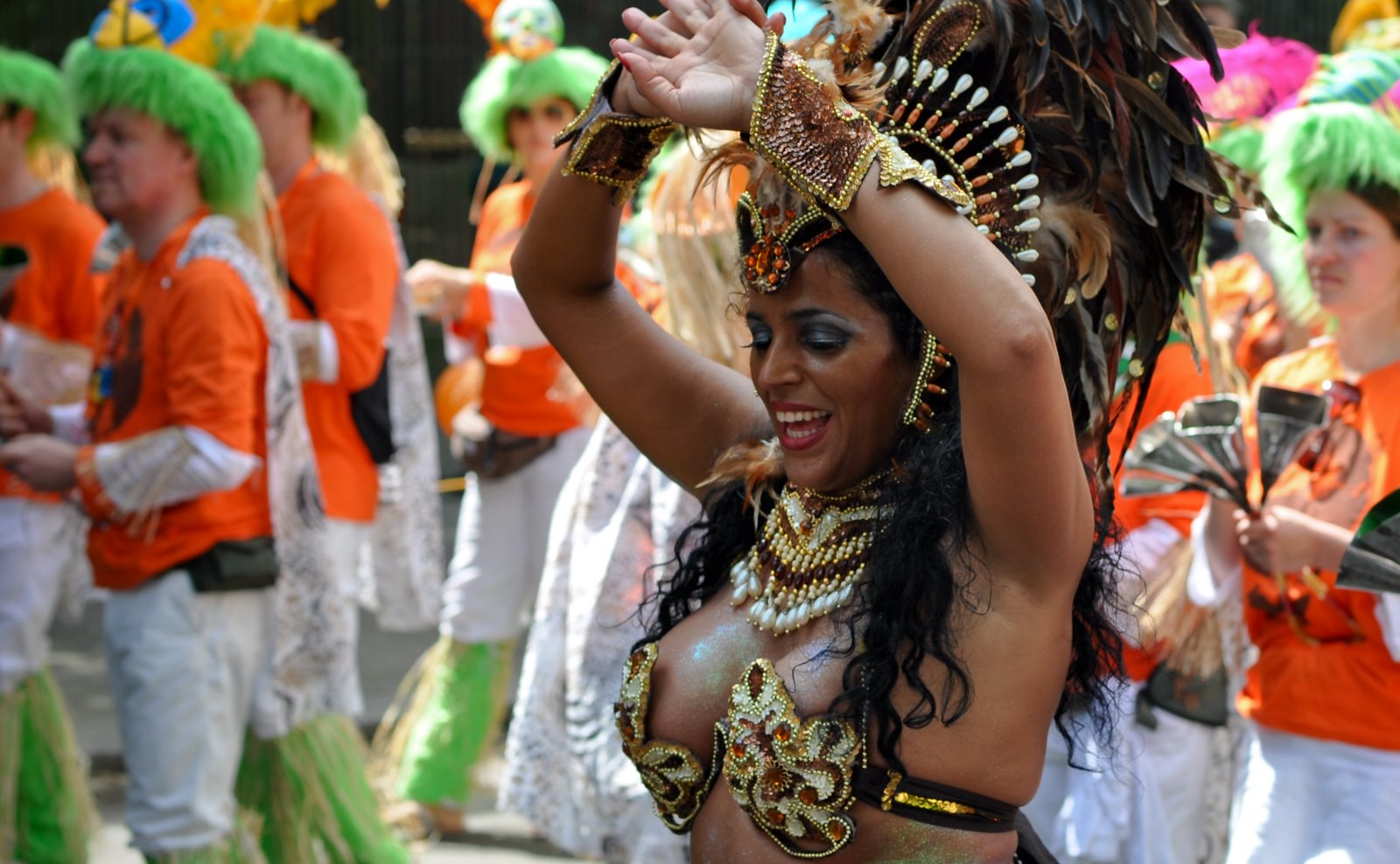
Berlin’s Karneval der Kulturen (Carnival of Cultures) officially began yesterday, July 11th, lighting up Neukölln and Kreuzberg with a parade, live performances, and street food from around the world. The festival, now in its 25th year, runs through Sunday, July 13, transforming the city into a multicultural celebration zone and captivating locals eager to experience cultural diversity firsthand.
The timing is significant as the city prepares for the federal elections in September, with many residents reflecting on issues of integration, identity, and social cohesion. Recent debates around migration policies and urban development have fueled public interest in the Karneval, not just as entertainment but as a real expression of Berlin’s evolving demographic landscape. The festival highlights the contributions of immigrant communities, an element that resonates widely amid ongoing discussions about the city's future.
Festivities Across Neukölln and Kreuzberg
Central to the festival are two hubs: the street stages at Hermannplatz in Neukölln and the open-air arena at Görlitzer Park in Kreuzberg. The multicultural nonprofit organisation Kotti & Co., which supports local immigrant artists, has been instrumental in organizing live acts ranging from Afrobeat to Turkish folk music. This year, the festival features around 150 food stalls offering dishes from over 60 nations, including Lebanese mezzes, Vietnamese pho, and Ethiopian injera, priced between €4 and €10 per serving. The Berlin Senate has allocated €350,000 this year to support the event, enabling enhanced sanitation, security, and accessibility features to accommodate an expected 1 million visitors.
Multiple local theatres like the Heimathafen Neukölln and the Ballhaus Naunynstraße are hosting related cultural events, including panel discussions and exhibitions examining migration narratives in the arts. Pop-up workshops invite Berliners to engage in traditional crafts like Indian henna painting and Latin American dance. Many locals are also discussing the impact of the festival on gentrifying neighborhoods, which have seen an influx of tourists eyeing the event as a highlight of Berlin’s summer calendar.
Numbers Tell the Story
The Karneval der Kulturen draws an estimated 1 million visitors annually, making it one of Berlin’s largest cultural festivals. According to the Berlin-Brandenburg Statistics Office, last year’s event generated approximately €22 million in local economic activity, predominantly benefiting independent restaurants, street vendors, and transportation services. Ticketed events at partner venues like the SO36 and Volksbühne collectively sold over 15,000 passes in advance, signaling strong local and tourist interest despite rising inflation and cost-of-living concerns.
City transport operator BVG has increased U-Bahn and bus services along lines U7, U8, and buses 104 and 140 to manage the surge in ridership, especially around Hermannplatz and Görlitzer Park. Daily festival wristbands cost €15, with full weekend passes priced at €40, but many performances and parades remain free to attend on public streets, ensuring accessibility for all Berliners.
Residents have voiced a mix of excitement and concern over crowd control and noise levels. The city has deployed over 600 security personnel, including the Beauftragter für Versammlungs- und Festival-Sicherheit, aiming to maintain a safe and inclusive atmosphere throughout the weekend.
What to Know Before You Go
With the main parade starting at 12:00 PM on Sunday at Hermannplatz and weaving through Sonnenallee towards Hasenheide Park in Kreuzberg, attendees should anticipate street closures and plan accordingly. The BVG recommends using public transport rather than driving, as parking in these neighborhoods will be heavily restricted. Festival organizers advise bringing reusable water bottles due to limited access to plastic cups, aligning with Berlin’s green initiatives.
For those interested, workshops and panel talks typically begin each day at 10:00 AM, accessible via pre-registration online through the Karneval der Kulturen's official website. Organisers have also launched a mobile app providing schedules, maps, and live updates to help visitors navigate the sprawling events.
Locals are widely discussing how the Karneval der Kulturen encapsulates Berlin’s complex cultural identity, especially as the city confronts demographic shifts and the challenges of urban integration. This weekend offers a chance for Berliners to actively participate in that ongoing conversation-by eating, dancing, and celebrating side by side in the city’s vibrant streets.