culture
Berlin’s Theaters and Performances Shape the City’s Cultural Identity
From Kreuzberg stages to Mitte’s grand theaters, performance art is central to Berlin’s evolving creative character.
How we reported this
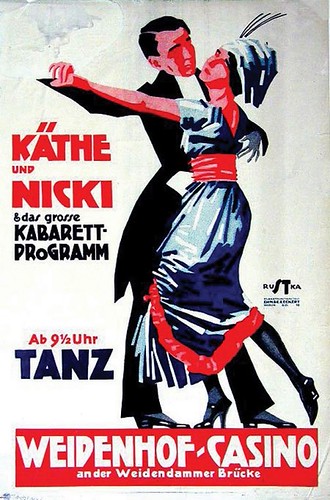
Berlin is witnessing a resurgence in its theater and performance scene, cementing the art form as a defining thread in the city’s cultural fabric. Recent seasons at Volksbühne and the Maxim Gorki Theater have drawn record audiences, while smaller venues like HAU Hebbel am Ufer are launching innovative experimental productions that draw global attention.
The Revival of Berlin’s Theater Scene
After years of pandemic-related closures and funding uncertainties, Berlin’s live performance sector is reclaiming its position as a vibrant cultural hub. This artistic vitality is especially significant now, amid debates on how the city positions itself globally as a creative destination. Theater has become a focal point for reflecting Berlin’s complex history and diverse communities, fostering dialogue across generations and backgrounds during a time when the city faces social and political challenges.
The Volksbühne, located on Rosa-Luxemburg-Platz in Mitte, reopened its main stage this spring with a sold-out season premiere that combined classical repertoire with avant-garde storytelling. Meanwhile, the Maxim Gorki Theater on Am Festungsgraben is expanding its multilingual productions, reflecting Berlin’s demographic diversity. These institutions not only boost tourism but also anchor investment in surrounding neighborhoods, reinforcing cultural infrastructure along central corridors.
Numbers Reflecting Impact and Investment
According to the Berlin Senate Department for Culture and Europe, attendance at state-funded theaters grew 18 percent in the first half of 2026 compared to the same period last year. Ticket prices remain accessible, with average prices ranging from €8 for student and community performances to €35 for premiere events. Notably, the HAU Hebbel am Ufer in Kreuzberg reported a 25 percent increase in visitor numbers for its contemporary dance and cross-disciplinary programs, attracting an international audience.
Investment in the sector has also increased: Berlin’s cultural budget in 2026 rose by 5 percent to €475 million, with a dedicated 12 percent earmarked for theater revitalisation projects. This includes funding for refurbishing historic venues and supporting artist residencies that foster Berlin’s reputation as a laboratory for experimental work.
Local initiatives such as the “Theaternacht Berlin,” scheduled for early September, further spotlight the diversity and vibrancy of the city’s performing arts. This annual event showcases over 60 theaters across neighborhoods like Prenzlauer Berg and Friedrichshain, inviting residents and visitors to engage deeply with the city’s theatrical pulse.
Berliners keen to experience this lively scene should look to booking tickets in advance, especially for popular venues located near Alexanderplatz and the culturally dense district of Kreuzberg. Subscriptions and discounted season passes offered by theaters like the Deutsches Theater can provide significant savings, starting at €80 for a package including four productions.
As the city continues to leverage its rich traditions and contemporary experimentation, theater and performance remain at the heart of Berlin’s creative identity, defining its stature as one of Europe’s leading cultural capitals.