culture
Berlin’s Street Art Isn’t Just Graffiti. It’s a Living Archive. Here’s What to See.
A practical guide to the murals, paste-ups and stencils that define the city’s public gallery, and how to find them without getting lost.
How we reported this
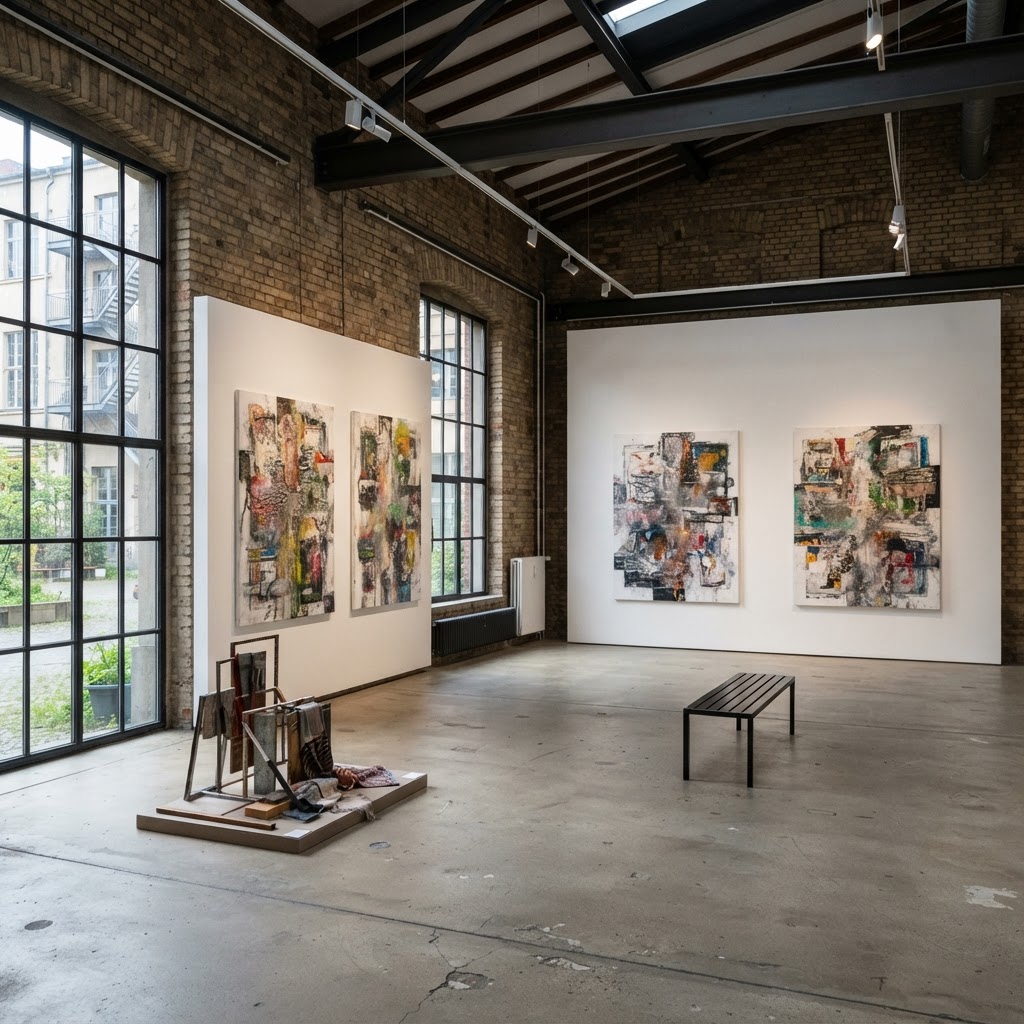
Berlin’s street art scene isn’t curatorial. It doesn’t have a single entrance fee or a published map that stays accurate for more than a few weeks. That’s the point.
For a visitor, the challenge is knowing where to look and what actually matters. The city’s walls change constantly, pieces get painted over, new murals appear overnight, and the difference between a tourist-trap photo op and a genuine work of political or aesthetic weight can be hard to spot.
Right now, with the global news cycle dominated by war in the Middle East, wildfires near Paris, and a fire in Bangkok that killed at least 28 people, Berlin’s streets offer something rare: a public, unmediated conversation about power, memory and identity, written in spray paint and wheat paste.
Where the Walls Speak Loudest
The most famous outdoor gallery remains the East Side Gallery, a 1.3-kilometre stretch of the Berlin Wall along Mühlenstrasse. It’s crowded, yes, hundreds of tourists press against the concrete daily, but the murals there, painted by artists from around the world in 1990 and restored since, still hold force. Dmitri Vrubel’s “Fraternal Kiss” and Birgit Kinder’s “Trabant breaking through the Wall” are the most photographed, but walk the full length. The less-tagged sections near Ostbahnhof often carry newer, unsanctioned responses that complement the official work.
A short walk away, the RAW Gelände in Friedrichshain offers a different energy. The former railway repair yard is now a warren of clubs, skate parks and derelict walls layered with tags, throw-ups and large-scale murals. No admission fee. No guided route. The art here changes fast, some pieces last a week. Local crews like the Berlin-based collective Die Dixons and international artists passing through have left work on the back walls of the Yaam club and the abandoned train sheds behind Revaler Strasse.
For political street art, head to Kreuzberg. The area around Oranienstrasse and the Kottbusser Tor U-Bahn station is dense with stencils and paste-ups that comment on gentrification, police violence and housing evictions. One block off Oranienplatz, the wall of the old Bethanien hospital complex carries a rotating series of murals sponsored by the district’s cultural office, though the most pointed work appears on the facades of squatted buildings along Adalbertstrasse.
How to See It Like a Local
Booking a guided tour can save time, but the best ones, offered by groups like Berlin Alternative Tours or the non-profit Street Art Berlin, focus on technique and politics, not Instagram backdrops. Expect to pay around €20 for a two-hour walk. Most tours meet at U Moritzplatz or U Schlesisches Tor and cover about 15 to 20 works, with explanations of how each piece was made and why it appeared where it did.
For visitors who prefer to go solo, a practical starting point is the Urban Nation museum on Bülowstrasse. It opened in 2017 and houses a permanent collection of contemporary street art from more than 150 international artists, including works by JR, Banksy and local Berlin artist El Bocho. Entry is free, and the facade itself, a five-storey mural by the Brazilian duo Os Gêmeos, is worth the trip. From there, walk east into Schöneberg’s Akazienstrasse and the surrounding side streets, where commercial galleries have started commissioning murals that bleed into the neighbourhood’s existing tag culture.
One caveat: not every painted wall in Berlin qualifies as street art. Many of the large murals in Mitte, particularly those on Torstrasse and around Rosenthaler Platz, are advertising dressed up as culture. The real work, the unsanctioned, the ephemeral, the politically charged, survives in the districts where rents are still low enough that locals don’t have time to scrub walls.
What happens next on any given wall is unpredictable. That’s the point. Berlin’s street art is not a monument. It’s a conversation, updated daily, and no one holds the copyright.