finance
Mortgage Rates Climb as DAX Slides: What Berlin Homebuyers Should Know
Sharp moves in European equity and currency markets coincide with rising borrowing costs, presenting new challenges for German homeowners and prospective buyers.
How we reported this
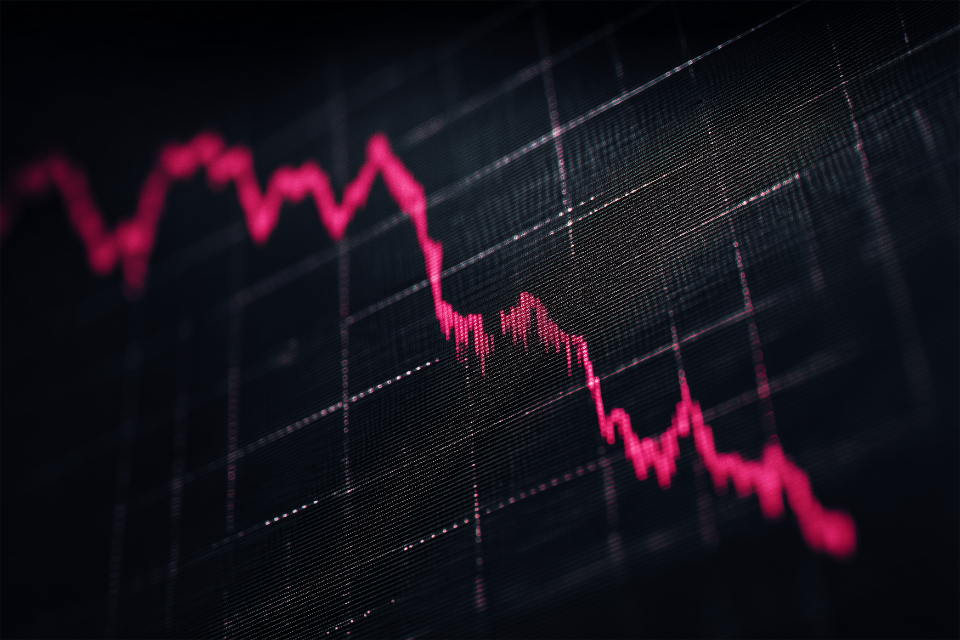
The DAX index plunged 2.76% to 25,067 on Friday, a sharp correction that reflects mounting investor concerns amid mixed signals from the euro, commodities, and US equities. For Berlin households, this volatility coincides with a tightening mortgage market as lending rates edge higher, squeezing affordability in Germany's already challenging property landscape.
European investors are navigating a softer euro, which fell 0.17% against the dollar to 1.1419, driven partly by United States economic resilience. The S&P 500 gained 1.23% and the Nasdaq Composite was up 1.74%, further underlining the divergence between US and European markets. While equity flows shift, German mortgage providers are recalibrating rates to reflect changes in global bond yields and central bank policy outlooks, pushing borrowing costs beyond recent lows.
Mortgage Rates and Market Ripples
For households in Berlin, where real estate prices remain elevated despite some price moderation in the broader country, increasing mortgage rates translate directly into higher monthly repayments. Although exact rates vary by lender and borrower profile, market reports indicate that fixed-term rates for new mortgages are rising steadily due to tightening funding conditions and the European Central Bank's cautious stance amid persistent inflationary pressures.
This upward trend runs counter to the recent slump in gold prices, which tumbled 1% to $4,114 an ounce, often seen as a safe haven during economic uncertainty. At the same time, oil prices firmed up, with WTI crude rising 4.17% to $71.41 per barrel, signaling inflationary pressures in energy costs that can further feed into household expenses.
These mixed signals complicate financial planning for mortgage holders and buyers. While the DAX selloff weakens pension and investment balances for many German households-given heavy weighting towards industrials and automakers-rising mortgage costs can compound financial strain. Consumers relying on long-term fixed-rate deals might find some relief in stable payments, but those with variable or expiring fixed-rate loans face recalibrations that could push monthly bills higher.
Bitcoin’s 3.03% climb to $64,146 underscores that alternative assets are attracting capital amidst traditional market uncertainties. Still, for the average Berlin consumer, liquidity and credit affordability remain focused on conventional debt products, particularly housing finance.
Financial advisors in Berlin recommend that prospective mortgage borrowers closely monitor ECB signals, as any tightening trajectory in European monetary policy would further increase borrowing costs. Existing mortgagors with variable rates may need to review budget plans to account for rising debt servicing burdens.
In summary, the sharp 2.76% DAX decline and subdued euro level highlight growing investor caution. At the same time, mortgage rates in Germany are trending upward, affecting affordability and financial planning for Berlin’s homebuyers and existing homeowners alike. Keeping an eye on both global market developments and local lending conditions will be crucial in the weeks ahead as consumers aim to navigate this complex environment.
This article is general information only and is not personal financial or investment advice. Consider your own circumstances and seek licensed professional advice before making financial decisions.