finance
European Insurance Faces Renewed Pressure Amid DAX Slump and Rising Claims Costs
As the DAX drops over 2.7%, Berlin-based insurers grapple with inflation, regulatory shifts and underwriting challenges over 2026.
Listen in English · 5 min
How we reported this
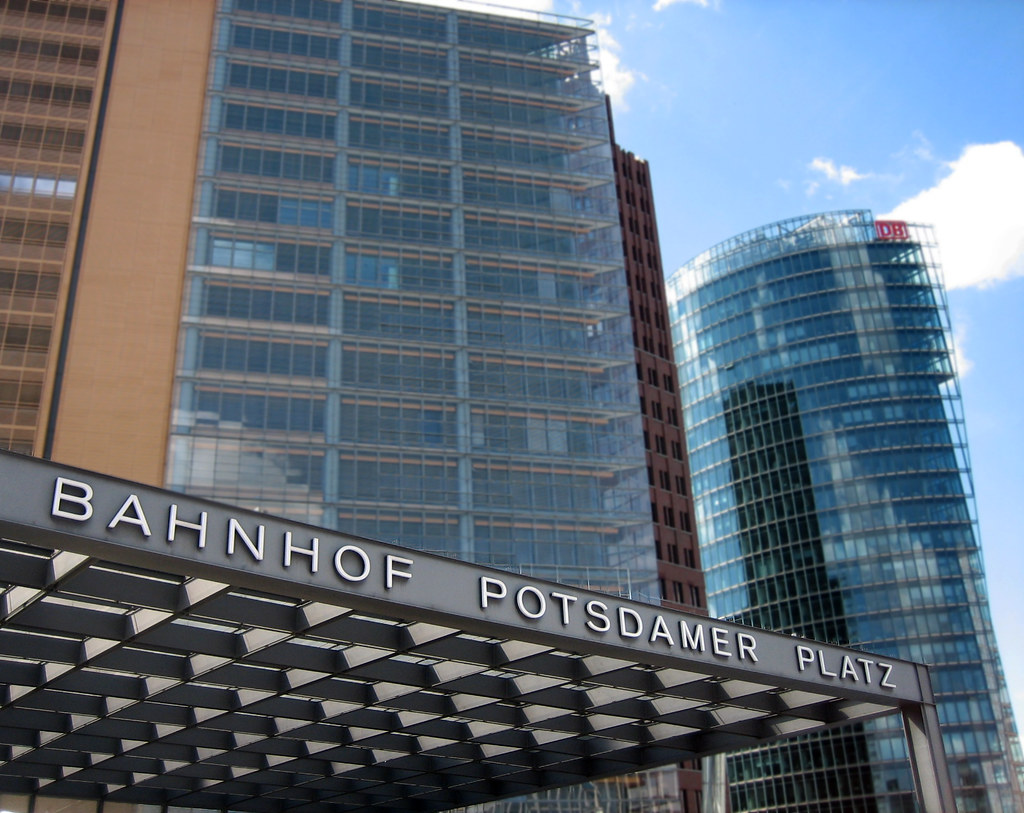
The German DAX index fell 2.76% today to 25,067 points, reflecting stress in some of Europe’s largest insurance companies listed in Frankfurt. Insurance sector heavyweights such as Allianz and Munich Re are navigating a complex environment marked by rising inflation, increased claims inflation from climate-related events, and tightening regulatory scrutiny.
Berlin investors holding pension plans or savings products exposed to insurance equities have seen pressure this year as underwriting margins compress and investment returns from fixed income portfolios remain subdued amid volatile markets. Despite the broader US equity rebound-S&P 500 rose 1.23%, Nasdaq Composite gained 1.74%-European insurers remain cautious amid euro weakness and sector-specific headwinds.
Cost and Climate Risks Squeeze Profitability
Persistently high inflation in Europe is pushing up operational costs and claims expenses for insurers. Property and casualty lines, crucial to many German insurers, face mounting claims from increasingly frequent extreme weather events across the continent. Munich Re reported earlier this year that weather-related losses in Europe have almost doubled compared to previous years, creating a challenge for insurers attempting to recalibrate pricing without losing market share.
The euro’s modest decline against the dollar to 1.1419 further complicates financial reporting and debt servicing for firms with substantial foreign currency exposure. Additionally, reinvestment yields on insurers’ large bond portfolios remain under pressure, constraining the investment income contributors to total profitability. Gold prices, often seen as an inflation hedge, dropped 1%, while oil futures surged over 4%, adding cost pressures in related business lines and on broader economic activity.
These headwinds come alongside heightened regulatory demands within the EU’s Solvency II regime revisions. Insurers must hold more capital against certain risks, tightening liquidity and increasing the cost of capital. The European Insurance and Occupational Pensions Authority (EIOPA) signaled stricter oversight during its mid-year review, prompting firms to accelerate provisions and risk mitigation efforts. Investors have reacted with caution, especially given the sector’s traditionally defensive reputation.
Berliner consumers could see the impacts in their home insurance premiums and life policy adjustments, as companies seek to offset deteriorating underwriting results. The combination of persistently low yields globally and cost pressures means price hikes in insurance products may become more frequent, squeezing household budgets alongside mortgages and utility bills.
While technology adoption-including AI-driven claims processing and risk analytics-offers potential efficiency gains, current gains are not yet sufficient to offset inflationary pressures. Increased focus on sustainability investments is also reshaping insurers’ balance sheets, requiring capital allocation shifts that can reduce near-term returns.
Insurance companies remain a bellwether for economic resilience in Germany and wider Europe. The sector’s performance this year is an early indicator of how inflation, climate change impacts, and financial market volatility are converging to challenge traditional business models, affecting everything from retirement savings to corporate risk management.
This article is general information only and is not personal financial or investment advice. Consider your own circumstances and seek licensed professional advice before making financial decisions.