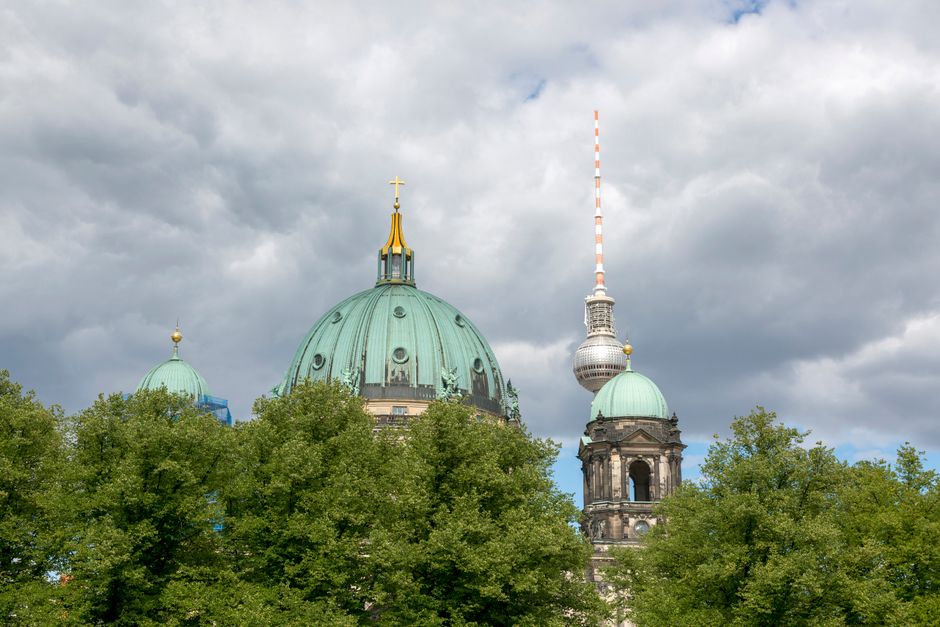
Berlin's Parks Are Free—But Here's What You Really Need to Know Before You Go
From Tiergarten to Volkspark Friedrichshain, we break down access, costs, facilities and unwritten rules for making the most of the city's green spaces.
From Tiergarten to Volkspark Friedrichshain, we break down access, costs, facilities and unwritten rules for making the most of the city's green spaces.
Berlin's parks are among Europe's most democratic amenities: entry is free. Whether you're heading to the 210-hectare Tiergarten in Mitte, the sprawling Grunewald forest in Charlottenburg, or Volkspark Friedrichshain in the east, you won't pay a single euro at the gate. Yet navigating Berlin's outdoor culture requires more than just showing up—especially during peak season.
Summer weekends change everything. Expect Tiergarten's meadows near the Neuer See to be shoulder-to-shoulder by 2pm on Saturdays, with informal beer gardens charging €3-4 per beer. Bring cash; many spots don't accept cards. If you're planning to rent a paddleboat on the Spree (€15-20 per hour), book ahead through operators like Bootsverleih Tiergarten. The lakeside restaurants—Café am Neuen See, for instance—have mains from €12-18 but require advance reservations during summer.
Public toilets exist but are inconsistent. The Tiergarten has several, though quality varies. Expect €0.50-1.00 per use. Bring hand sanitiser. Drinking water fountains are scarce; carry a refillable bottle or buy bottled water (€2-3 at kiosks). Parks close at dusk (roughly 9:30pm in late June), though Tiergarten has extended evening hours.
Neighbourhood parks offer quieter alternatives. Mauerpark in Prenzlauer Berg charges nothing and hosts Sunday karaoke in summer—arrive early for decent spots. Rummelsburger Bucht in Friedrichshain is free but popular; the nearby Kulturbrauerei hosts events with modest entry fees (€5-10). Plötzensee in Wedding remains surprisingly undiscovered, perfect for families seeking breathing room.
Bring insect repellent. Berlin's waterside parks—Müggelsee, Tegeler See, Rummelsburger Bucht—have active mosquito populations, especially near water after rain. Sun protection is essential; park shade is limited during peak hours.
Informal rules matter. Most parks allow alcohol; glass bottles are technically prohibited but widely tolerated. Grilling is permitted in designated zones only—typically marked clearly. Music via portable speakers is culturally acceptable at low volumes; headphones are better for solo visitors.
For families, check Berlin's official park website (gruen-berlin.de) for updated facilities, including playgrounds and accessible routes. Many parks now offer free WiFi near cafés. Cycling is allowed on designated paths; standard bike rental costs €8-12 daily.
The bottom line: Berlin's parks are genuinely free and genuinely worth your time. Plan for crowds, carry cash, bring water, and respect quiet hours after dusk. Summer demands flexibility—start early, bring backup plans, and never underestimate a good hat.
This article was compiled by AI from the sources linked above and screened before publishing. See our editorial standards.
How does this story make you feel?
Spread the word
About this article
Published by The Daily Berlin
Daily brief
Free, in your inbox before 7am. Weekdays.
More in lifestyle