lifestyle
Why Berlin's Weekend Leisure Culture Stands Apart in the Global City League
From affordable canal cruises to radical cultural freedom, Berlin offers a distinctly democratic approach to weekend living that few global capitals can match.
How we reported this
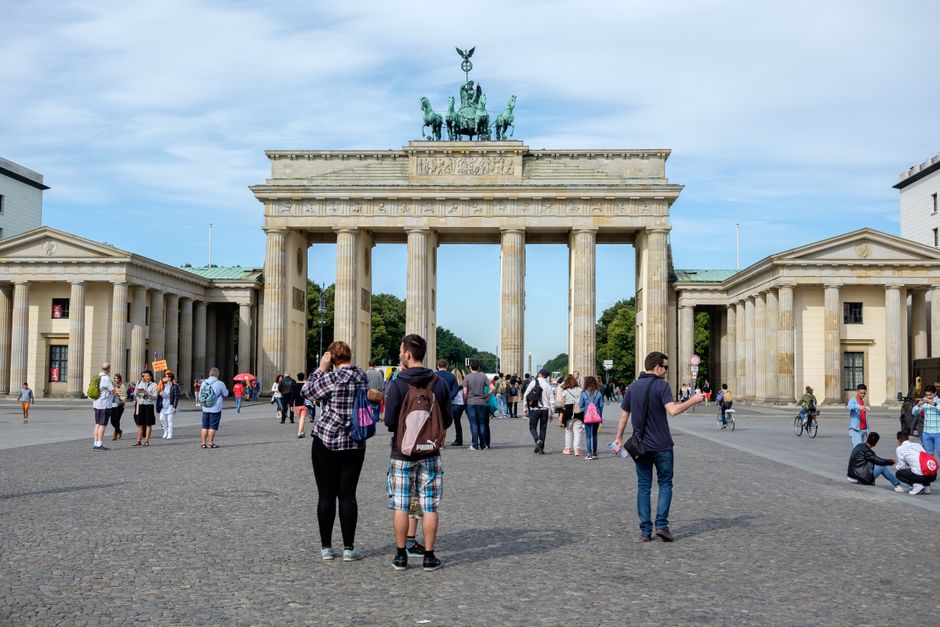
Most major cities charge premium prices for premium experiences. Berlin, uniquely, has built a weekend culture around the opposite principle: radical accessibility paired with serious cultural ambition.
Consider the numbers. A day trip along the Landwehr Canal in Kreuzberg costs virtually nothing-you can rent a kayak for €15-20 and paddle past street art, indie bookshops, and centuries-old industrial architecture for hours. Compare that to Venice's gondolas at €80+ or London's Thames river tours at £15.50 minimum, and Berlin's ethos becomes clear: leisure should not be gatekept by wealth.
What truly distinguishes Berlin, however, is how the city treats culture itself. The Staatliche Museen-world-class institutions housing Egyptian mummies, Byzantine treasures, and German masterworks-charge just €12 for general admission. Thursdays after 6 p.m., entry is free. Museums in New York, Paris, and Tokyo have long monetised culture as luxury; Berlin treats it as commons. This philosophy extends across 180+ public galleries, many in converted warehouses across Friedrichshain and Wedding, where emerging artists exhibit freely.
Then there's the question of permission. In most global cities, weekend recreation follows prescribed channels: designated parks, licensed vendors, regulated activities. Berlin's Sunday flea markets-Mauerpark in Prenzlauer Berg, Boxhagener Platz in Friedrichshain-operate in a grey zone between formal and informal, where DIY culture still thrives. Street musicians perform without constant harassment. People gather in Tiergarten or along the Spree with beer and vinyl records, largely unmolested by authorities. This informal tolerance creates a leisure landscape that feels genuinely spontaneous, not choreographed for Instagram.
The city's layered history also creates a unique temporal texture absent from newer global capitals. A weekend in Berlin means moving between different eras within an afternoon: Byzantine mosaics at the Pergamon, Cold War bunkers at RAW-Gelände, 1920s nightlife reimagined in Neukölln's clubs, futuristic installations at Kunsthaus Tacheles. Few cities compress such historical density into walkable distances.
Berlin also remains genuinely affordable for European standards. A beer costs €3-4 in Prenzlauer Berg; weekend brunches at independent cafés near Görlitzer Straße run €8-12. This pricing allows leisure to be genuinely spontaneous and exploratory rather than a budgeted, planned affair.
Other global cities offer superior weather, larger museums, or flashier attractions. But Berlin's distinct contribution-a weekend culture rooted in access, informality, historical layering, and democratic participation-remains largely its own.
This article was compiled by AI and screened before publishing. See our editorial standards.