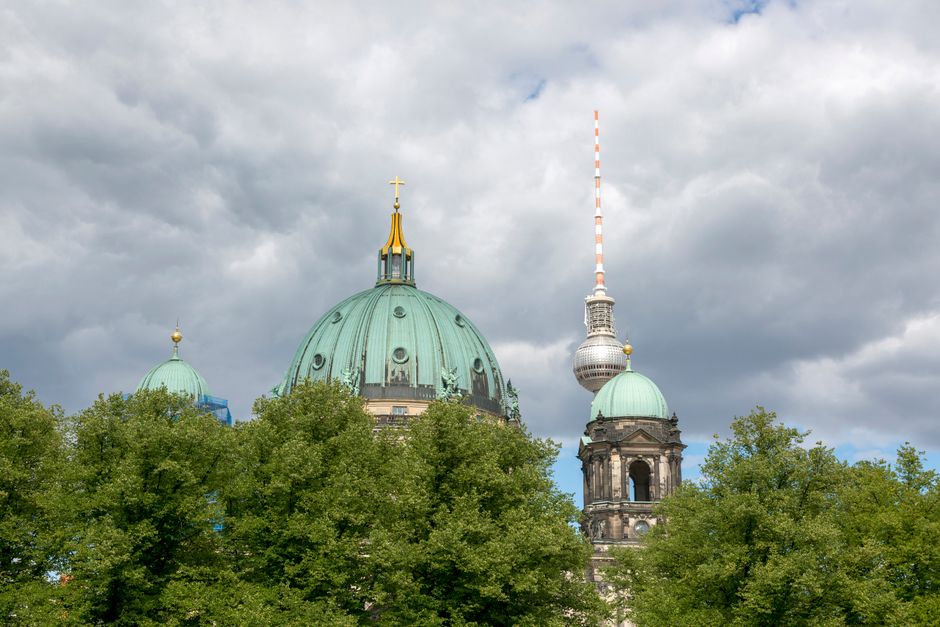
The Faces Behind Berlin's Neighbourhoods: Stories From the People Who Make This City Home
From Kreuzberg's activist collectives to Prenzlauer Berg's family networks, we meet the residents shaping Berlin's most vibrant communities.
From Kreuzberg's activist collectives to Prenzlauer Berg's family networks, we meet the residents shaping Berlin's most vibrant communities.
Berlin's neighbourhoods aren't defined by their architecture or Instagram-worthy cafés—they're shaped by the people who choose to build lives here. Walk through Kreuzberg on any given afternoon and you'll encounter a tapestry of residents: the former refugee now running a successful catering business on Kottbusser Damm, the artist collective maintaining squatted studios despite gentrification pressures, the multigenerational Turkish families who've anchored the district for decades. These aren't just residents; they're the neighbourhood's DNA.
In Prenzlauer Berg, a different kind of community narrative unfolds. Young families have revitalised the area around Helmholtzplatz, creating an ecosystem of parent networks and neighbourhood initiatives. Local playgroups organise regular meetups at the square's renovated green spaces, while small business owners—many of whom grew up in the district—maintain independent shops on Kastanienallee despite rent increases averaging 5-7% annually. The sense of continuity matters here; residents speak of belonging to something multigenerational.
Friedrichshain tells yet another story. The district's reputation as a creative hub rests not on mythologised Wall history, but on the contemporary efforts of young entrepreneurs, musicians, and designers who've established studios, venues, and workshops along RAW-Gelände and beyond. Community gardens pop up in unexpected corners; informal networks connect artists with landlords willing to take risks on experimental projects. A 2025 survey found 62% of Friedrichshain residents actively participate in neighbourhood cultural events—the highest rate across Berlin's major districts.
What binds these communities isn't uniformity. Charlottenburg's established families navigate different challenges than Neukölln's newer arrivals; Lichtenberg's post-industrial transformation unfolds differently from Wedding's long-standing working-class character. Yet across the city, a common thread emerges: Berliners increasingly prioritise community participation. Local initiatives—from Nachbarschaftsräte (neighbourhood councils) to informal dinner clubs—have proliferated since 2023, suggesting residents recognise that authentic neighbourhoods require active engagement.
The challenge ahead is clear. As property values climb and corporate interests encroach, maintaining these organic community networks becomes increasingly deliberate work. Yet Berlin's neighbourhoods persist because of people who choose to stay engaged—who show up to meetings, support local businesses, share skills, and welcome newcomers. That's not sentimental nostalgia. It's the practical foundation upon which liveable cities rest. Understanding Berlin means understanding these faces and their stories.
This article was compiled by AI from the sources linked above and screened before publishing. See our editorial standards.
How does this story make you feel?
Spread the word
About this article
Published by The Daily Berlin
Daily brief
Free, in your inbox before 7am. Weekdays.
More in lifestyle