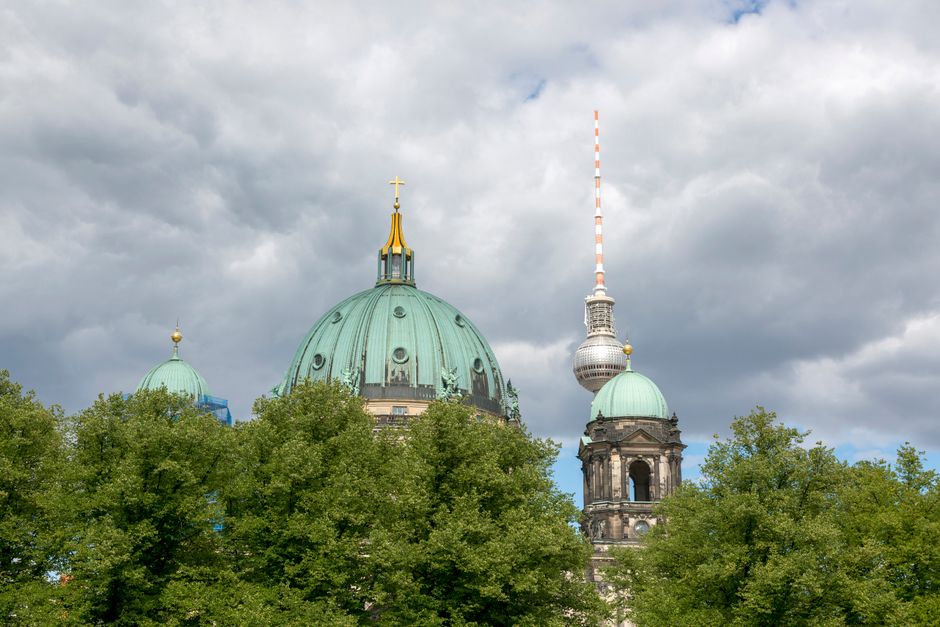
Berlin's Parks Are Free—But Here's Everything Else You Need to Know Before You Go
From Tiergarten to Volkspark Friedrichshain, navigating Berlin's green spaces means understanding access points, facilities, safety and seasonal changes.
From Tiergarten to Volkspark Friedrichshain, navigating Berlin's green spaces means understanding access points, facilities, safety and seasonal changes.
Berlin's relationship with its parks is fundamental to city life. With over 2,500 green spaces covering roughly 35 percent of the city's area, outdoor living isn't a luxury here—it's infrastructure. But before you pack a picnic for Tiergarten or head to the Landwehr Canal with friends, here's what you actually need to know about accessing Berlin's most beloved green spaces.
The good news: entry to all major parks is free. Tiergarten, Volkspark Friedrichshain, Treptower Park, and the expansive Grunewald forest cost nothing to enter. This is non-negotiable across Berlin's municipal spaces. However, convenience comes with conditions. Most parks close at dusk (typically around 10 p.m. in summer, earlier in winter), and overnight stays are prohibited. Alcohol regulations vary by district—Friedrichshain-Kreuzberg enforces stricter rules around Mauerpark, where Sunday flea markets draw crowds, while Charlottenburg welcomes daytime drinking in designated areas.
Facilities differ dramatically. Tiergarten's 520 hectares offer multiple cafés, restaurants, and restrooms—expect to pay €4-8 for coffee, €12-18 for lunch. Volkspark Friedrichshain, beloved for its artificial hills and summer open-air cinema, has limited food options; bring provisions or visit the nearby Friedrichshain neighbourhood restaurants on Warschauer Straße. Public restrooms are typically free, though some charge €0.50-1 euro.
Getting there matters. Tiergarten is accessible via U-Bahn stations Bellevue or Tiergarten (€2.80 single ticket, or unlimited day passes at €9). Grunewald's main entrance near Hagenstrasse is less convenient but rewards those seeking quieter woodland paths. Tempelhofer Feld, the former airport converted to parkland in 2010, requires no entry fee and welcomes cyclists, skateboarders and runners across 300 hectares—free parking available nearby.
Summer brings crowds and heat; arrive early, especially weekends. Winter transforms parks entirely; fewer visitors, but muddy paths and shortened daylight limit activities. Many seasonal attractions—open-air cinemas, beer gardens—operate May through September only.
Safety is generally excellent. Park police patrol major spaces regularly. Still, avoid isolated areas after dark, and keep valuables secure near busy entrances where pickpocketing occasionally occurs.
The real access question isn't cost—it's knowing which park matches your needs. Families gravitate toward Tiergarten's playgrounds and clear paths. Athletes favour Tempelhofer Feld's flat expanses. Those seeking solitude find Grunewald's deeper trails. Berlin's parks are genuinely democratic spaces, but intentionality—knowing what each offers, when to visit, what to bring—transforms a casual walk into something genuinely restorative.
This article was compiled by AI from the sources linked above and screened before publishing. See our editorial standards.
How does this story make you feel?
Spread the word
About this article
Published by The Daily Berlin
Daily brief
Free, in your inbox before 7am. Weekdays.
More in lifestyle