Moving to Berlin? Skip the Guidebook—Here's What Locals Actually Tell Newcomers
Expats who've made the leap share their hard-won wisdom on neighbourhoods, budgets, bureaucracy and where to truly belong in Germany's most chaotic, welcoming capital.
Expats who've made the leap share their hard-won wisdom on neighbourhoods, budgets, bureaucracy and where to truly belong in Germany's most chaotic, welcoming capital.
Berlin attracts roughly 40,000 new residents annually, yet most arrive armed with romantic notions that collide spectacularly with reality. The difference between thriving here and burning out often comes down to one thing: listening to people who've already done it.
Start with the unsexy truth about housing. Kreuzberg and Friedrichshain still command premium rents—€1,200–1,500 for a one-bedroom—but insiders increasingly recommend Neukölln's quieter pockets or Pankow's leafy streets, where you'll find comparable flats for €900–1,100. The catch? Moving takes months. Begin your search on immoscout24.de and wg-gesucht.de immediately; casual Facebook groups are honeypots for scams. Bring three months' deposit, proof of employment and patience.
Bureaucracy will test you. The Bürgeramt (citizen's office) queues are legendary, but booking online via berlin.de saves hours. Register your address within two weeks of arrival—Germans take paperwork seriously. Opening a bank account at Deutsche Bank or Commerzbank requires a residence permit, which creates circular logic. Wise.com and TransferWise handle international transfers more cheaply than traditional banks.
Neighbourhood choice defines your experience. Charlottenburg attracts established professionals seeking calm; Prenzlauer Berg offers central location with Village aesthetics (and village prices). Tempelhof's vast open spaces and cycling culture draw active types, while Wedding's creative community suits artists on tight budgets. Visit after 6 p.m. on weekdays to see how a neighbourhood actually feels.
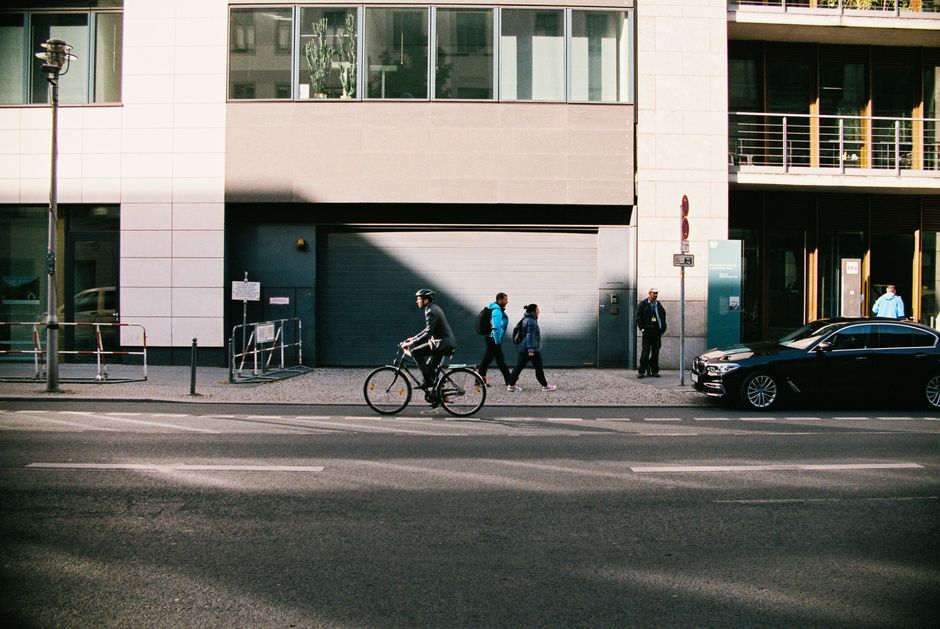
Transport is the easy part. A monthly BVG pass costs €120 and covers U-Bahn, S-Bahn and buses across all zones. Cycling, however, is non-negotiable for most long-term residents—invest €80–150 in a used bike from ebay-kleinanzeigen.de rather than importing one.
Food costs roughly 30% less than London or Paris. Rewe and Edeka dominate, but Aldi's no-frills approach feeds budget-conscious expats. Turkish markets along Kottbusser Straße in Kreuzberg offer unbeatable produce. Eating out regularly—the city's strength—runs €12–18 for lunch, €25–40 for dinner.
Social integration requires intention. Language classes through the Volkshochschule (€150–250 for ten weeks) double as networking. Couchsurfing meetups, Meetup.com groups and sports clubs (climbing walls, running groups, football) connect newcomers faster than bars do.
Expect at least two difficult months. The greyness, the pace, the bureaucratic friction—it hits everyone. Locals say it passes. Those who stay report discovering a city of genuine creative freedom, affordable living and people who actually care about ideas rather than status. That's why they're still here.
This article was compiled by AI from the sources linked above and screened before publishing. See our editorial standards.
How does this story make you feel?
Spread the word
About this article
Published by The Daily Berlin
Daily brief
Free, in your inbox before 7am. Weekdays.
More in lifestyle