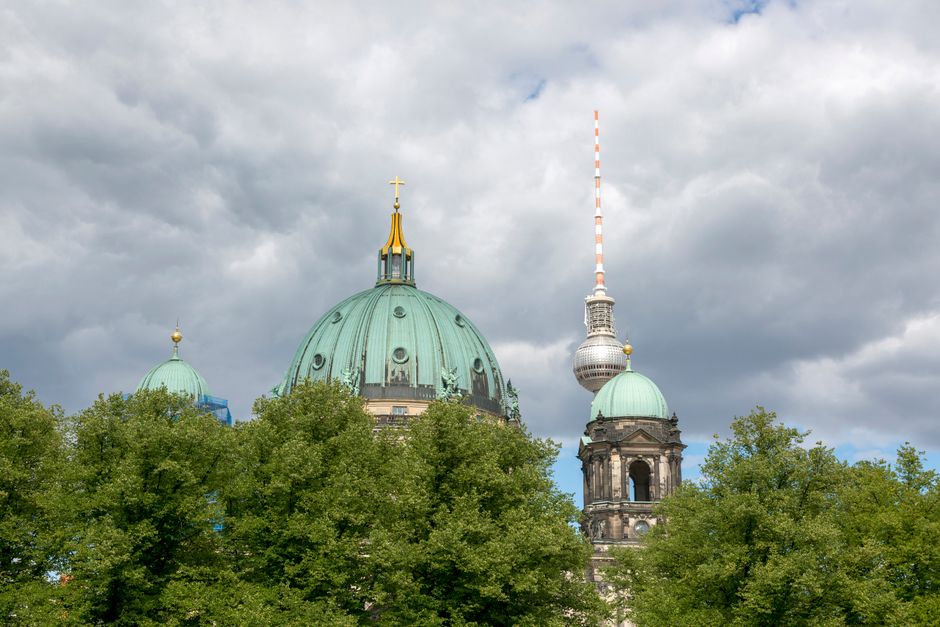
Your Berlin Arrival Kit: A Practical Guide for Newcomers Ready to Explore and Enjoy the City
From navigating bureaucracy to discovering hidden gems in Kreuzberg, here's what you need to know to settle into Berlin like a local.
From navigating bureaucracy to discovering hidden gems in Kreuzberg, here's what you need to know to settle into Berlin like a local.
Moving to Berlin is exhilarating—and sometimes overwhelming. Unlike many European capitals, Berlin rewards those who venture beyond the guidebook. But before you can truly enjoy the city's legendary nightlife, street art scene, and café culture, there are practical essentials every newcomer needs to master.
Getting Your Paperwork Right
Your first stop should be the Bürgeramt (citizen's office). Register at your local branch—each district has several, though queues can stretch two hours or more. Bring proof of residence, your passport, and patience. Once registered, you'll need to open a German bank account. Most expats opt for N26 or Wise for their simplicity, though traditional banks like Commerzbank offer deeper local integration. A German account and valid address unlock everything from a BVG transit pass (€55 monthly) to apartment listings.
Transport and Orientation
Berlin's public transport system is vast but learnable. The U-Bahn, S-Bahn, and bus network cover 900 square kilometres. Download the BVG Fahrinfo app—it's more reliable than Google Maps for route planning. Most newcomers start in central districts: Mitte offers proximity to landmarks like the Reichstag; Friedrichshain buzzes with young professionals; Neukölln provides affordable rents and authentic multicultural dining.
Finding Your Community
Berlin's expat scene is substantial but fragmented. Meetup.com hosts dozens of networking groups, from professional associations to hobby clubs. InterNations Berlin, the global expat network, hosts monthly events across venues in Prenzlauer Berg and Charlottenburg. For something more grassroots, check neighbourhood bulletin boards at cafés on Bergmannstrasse in Kreuzberg or around RAW-Gelände in Friedrichshain.
Living Like a Local
Forget tourist traps around Brandenburg Gate. Instead, explore Mauerpark's Sunday flea market in Prenzlauer Berg, or the experimental galleries dotting Wedding's industrial spaces. Weekend brunches are sacred here—expect to queue 45 minutes at neighbourhood favourites. Shopping happens at Markthalle Neun in Kreuzberg or the organic markets scattered throughout every district.
Money Matters
Berlin is cheaper than London or Paris, but gentrification is real. Average rent for a one-bedroom flat in desirable areas runs €800-1,200 monthly. Groceries cost roughly 30% less than Western Europe. Most small businesses still prefer cash—visit your nearest Geldautomat (ATM) regularly.
The key to thriving in Berlin isn't rushing. Take time to explore your specific neighbourhood, join a local club or gym, and embrace the city's unhurried attitude toward life. Within weeks, you'll forget you were ever new.
This article was compiled by AI from the sources linked above and screened before publishing. See our editorial standards.
How does this story make you feel?
Spread the word
About this article
Published by The Daily Berlin
Daily brief
Free, in your inbox before 7am. Weekdays.
More in lifestyle