Where Berlin's Weekends Come Alive: What Makes Each Neighbourhood's Community Spirit Unique
From Kreuzberg's activist ethos to Prenzlauer Berg's creative energy, we explore how neighbourhood character shapes the capital's weekend culture.
From Kreuzberg's activist ethos to Prenzlauer Berg's creative energy, we explore how neighbourhood character shapes the capital's weekend culture.
Berlin's weekend rhythm depends entirely on which corner of the city you choose. Step into Kreuzberg on a Saturday morning, and you'll find RAW-Gelände—the sprawling alternative cultural space on Friedrichstraße—already buzzing with creative types. The neighbourhood's activist DNA runs deep here, evident in community-led projects and the constant churn of street art adorning every available surface. A coffee at one of the independent cafés around Mehringdamm costs around €3.50, and conversations naturally drift toward grassroots initiatives and the neighbourhood's ongoing battle against gentrification.
Cross over to Prenzlauer Berg, and the vibe shifts entirely. The tree-lined streets around Kastanienallee have become a magnet for young families and established creatives, with weekend farmers' markets at Kollwitzplatz drawing hundreds seeking organic produce and handmade goods. The neighbourhood's galleries—scattered along Stargarder Straße and beyond—host regular open studio events. Here, the community character orbits around making and creating: jewellery makers, textile artists, and independent publishers populate converted industrial spaces. Brunch queues outside spots like Café Anna Blume reflect Prenzlauer Berg's reputation as Berlin's leisurely weekend destination.
Meanwhile, Charlottenburg appeals to a different demographic entirely. The palace gardens—over 55 hectares of manicured grounds—draw retirees, families with young children, and culture enthusiasts. Weekend admission costs €12 for adults, and the neighbourhood's character emerges around historical appreciation and intergenerational leisure. Local residents frequent the Charlottenburg Palace Museum's weekend concerts and the neighbouring Spandauer Forst forest for contemplative walks.
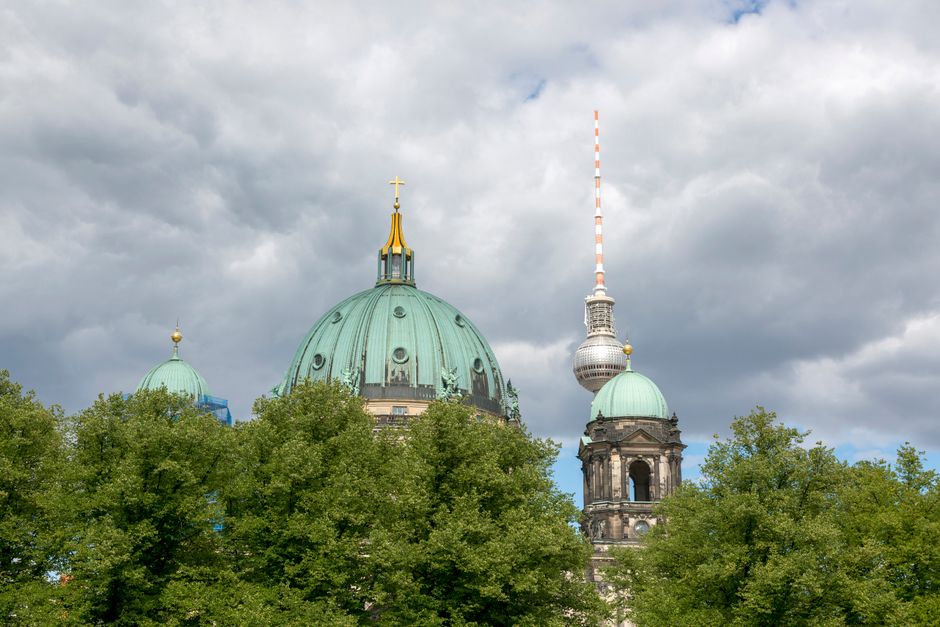
Friedrichshain's RAW-Gelände offers another texture: a younger, more hedonistic weekend culture. The neighbourhood's identity crystallises around its nightlife and electronic music scene, though daytime activities include climbing walls, vintage markets, and climbing the iconic TV Tower at Alexanderplatz—a €15 ticket for views across all Berlin's character zones.
What unites these neighbourhoods isn't aesthetic consistency but authentic community expression. Neukölln's multicultural weekend markets on Maybachufer buzz with Turkish, Arab, and Vietnamese vendors. Tempelhof's vast former airport becomes a commons where joggers, cyclists, and skateboarders negotiate shared public space every weekend. Schöneberg's slower pace attracts those seeking neighbourhood stability, with vintage shops and established gay venues anchoring a quieter social fabric.
Berlin's weekend character ultimately reflects this distributed urbanism: there's no single Sunday culture, but rather dozens of parallel communities, each cultivating distinct approaches to leisure and belonging. That's precisely what makes the city's weekends endlessly explorable.
This article was compiled by AI from the sources linked above and screened before publishing. See our editorial standards.
How does this story make you feel?
Spread the word
About this article
Published by The Daily Berlin
Daily brief
Free, in your inbox before 7am. Weekdays.
More in lifestyle