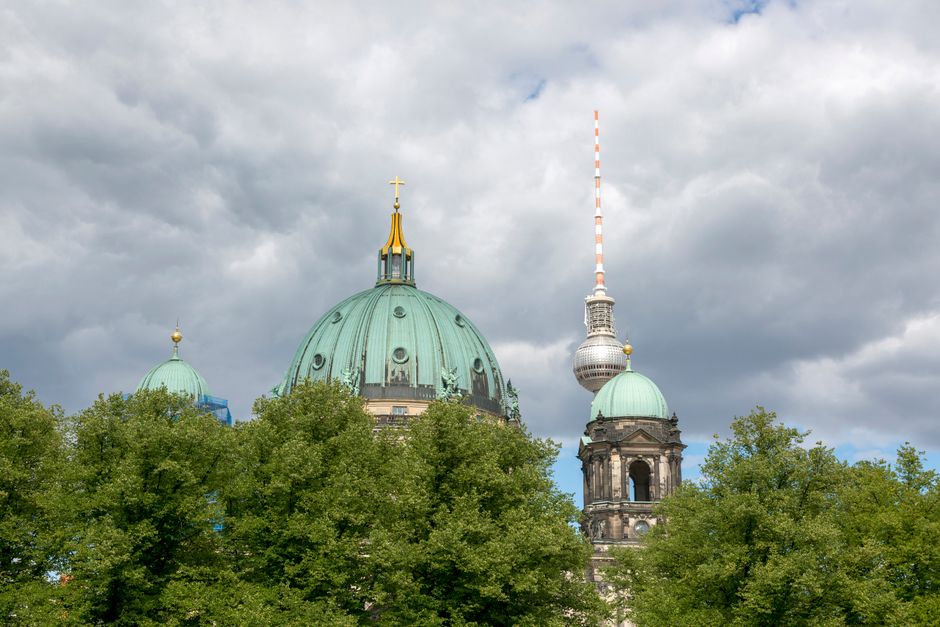
Berlin's Parks Are Getting a Serious Upgrade—and Locals Are Reclaiming Them
From Tiergarten to Treptower Park, a wave of investment and community activism is transforming how Berliners spend their summers outdoors.
From Tiergarten to Treptower Park, a wave of investment and community activism is transforming how Berliners spend their summers outdoors.
Walk through Tiergarten on a June afternoon and you'll notice something different: the pathways are cleaner, the café terraces more inviting, and families are lingering longer. This isn't nostalgia—it's the result of a significant civic shift that's been reshaping Berlin's relationship with its green spaces over the past two years.
The city's parks authority has invested approximately €15 million in renovations across major green spaces since 2024, addressing long-standing complaints about maintenance and safety. Tiergarten's iconic beer gardens have been refurbished with proper drainage systems and updated seating; the Spree embankment near Friedrichshain now features proper lighting that's changed evening usage patterns dramatically. More visibly, Treptower Park's riverside promenade has been widened, making room for the café culture that was previously cramped into narrow strips.
But infrastructure alone doesn't explain the shift locals describe. Community-led initiatives have fundamentally changed how people use these spaces. The Landwehrkanal corridor, long associated with nocturnal drinking culture and occasional disorder, has been revitalised through partnerships between district councils and neighbourhood associations. The stretch between Tiergarten and Kreuzberg now hosts regulated markets, yoga sessions, and family events that have naturally shifted usage patterns toward daytime recreation.
Prices tell an interesting story too. Café terraces in Volkspark Friedrichshain now average €4.50 for espresso—up from €3.80 three years ago—but operators report longer hours are sustainable because foot traffic is genuinely distributed across the day rather than concentrated in evening peak times. This has attracted better-quality vendors and created a virtuous cycle of investment.
The cultural shift isn't uniform across all neighbourhoods. Kreuzberg's Görlitzer Park remains contentious, with residents sharply divided on how to balance open access with quality-of-life concerns. But even there, initiatives like the Natur-Werk collective have introduced structured activities that have expanded who feels welcome during daylight hours.
Local environmentalists credit partly the city's strengthened 2024 biodiversity commitment, which includes native plantings in Grunewald and reduced pesticide use across municipal parks. This has made these spaces genuinely more interesting to visit—bird-watching has become an unexpected draw for younger demographics who Instagram their sightings from Tegeler See.
What's emerged is less a single narrative of improvement and more a recognition that well-maintained parks become self-reinforcing social spaces. Berliners aren't just returning to their green spaces; they're staying longer and coming back more often. For a city where outdoor life is central to the identity, that matters profoundly.
This article was compiled by AI from the sources linked above and screened before publishing. See our editorial standards.
How does this story make you feel?
Spread the word
About this article
Published by The Daily Berlin
Daily brief
Free, in your inbox before 7am. Weekdays.
More in lifestyle