lifestyle
Berlin's Iconic Techno Clubs Cut Hours, Reshape All-Night Party Culture
Venues across Friedrichshain and Kreuzberg are closing earlier, cutting capacity, and pivoting toward quality over excess as the city's legendary 24-hour party scene faces a reckoning.
How we reported this
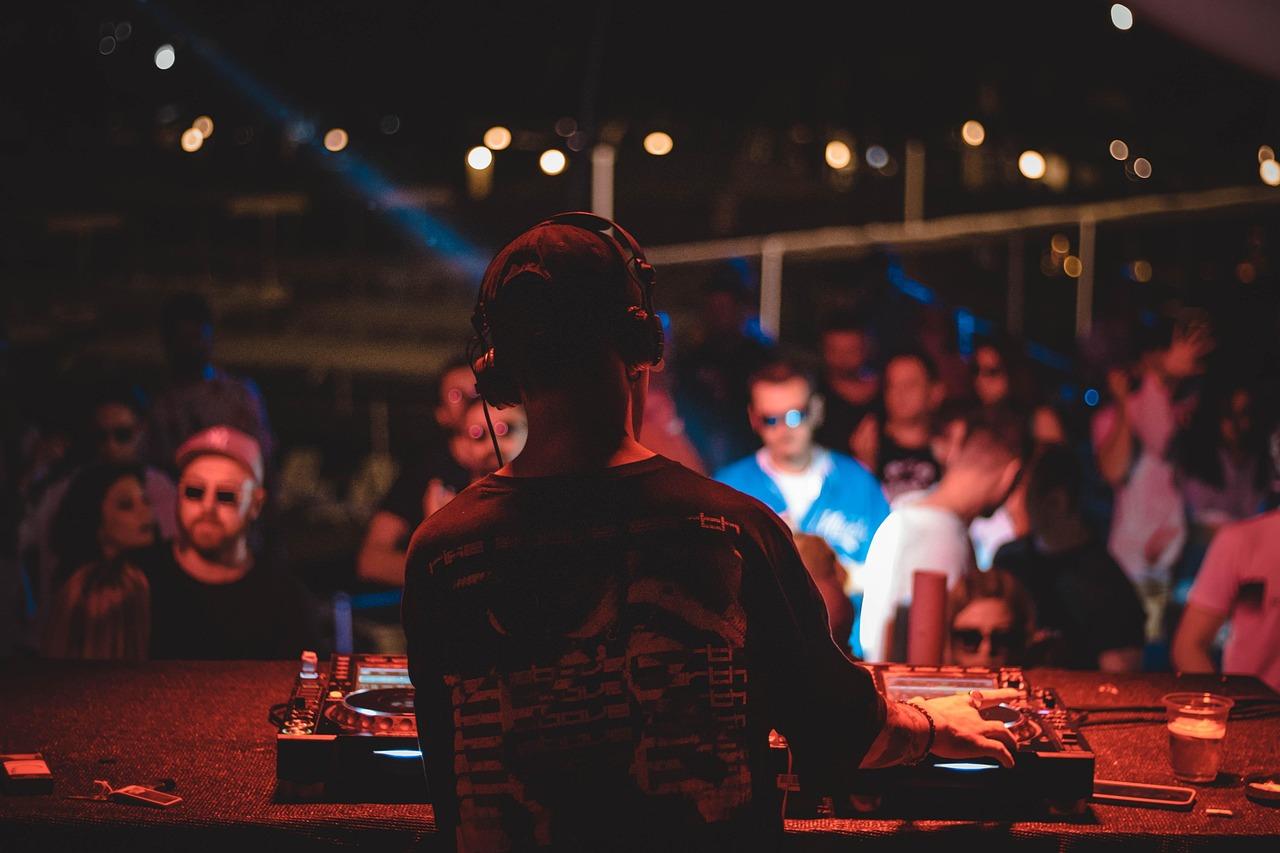
The 6 a.m. shutdown used to be a rumour at Berghain. Now it's policy. The sprawling former power plant on Friedrichshain's Ostkreuz has trimmed its weekend hours and begun capping entry numbers at 1,500-down from the 1,800 it regularly accommodated through the 2010s. It's not alone. Across Berlin's clubbing heartland, from RAW-Gelände to the smaller warehouses dotting Kreuzberg's Kottbusser Tor neighbourhood, the rhythm of nightlife has fundamentally changed. Clubs that built their reputations on Sunday morning sets and round-the-clock dancing are now experimenting with earlier closings, reduced capacity, and a recalibrated focus on sound quality and patron welfare.
This shift reflects a broader recalibration in how one of Europe's most famous nightlife cities operates. Berlin's techno scene, which emerged from the derelict spaces of post-reunification East Berlin and became a global pilgrimage site, has long been defined by its boundless excess. But rising noise complaints from residential encroachment, mounting pressure from local authorities over welfare standards, and a generational shift in clubgoers' expectations have forced venues to rethink their model. The change is neither uniformly celebrated nor lamented-it's simply the reality of a 27-year-old scene being forced to grow up.
Tighter Reins, Tighter Spaces
Watergate, the Friedrichshain club housed in a converted river barge, made headlines last autumn when it implemented a strict 4 a.m. closing time on Saturdays, ending its three-decade tradition of stretching into Sunday morning. Management cited both neighbour relations and a documented shift in dancer behaviour-fewer people staying for the full run, more arriving for shorter windows, and consistent requests for earlier finishes from the crowd itself. Club culture surveys conducted by the Berlin Tourism Board in Q1 2026 showed that 62 percent of club-goers now prefer venues with defined peak hours (midnight to 5 a.m.) rather than open-ended operations.
The economics matter too. Utility costs for maintaining climate control in massive industrial spaces have surged 34 percent since 2023, according to data from the Association of Berlin Club Operators. Smaller venues have simply absorbed the hit, but larger operations like Tresor-the industrial fortress in Mitte that predates the wall's fall-have responded by shrinking their operating footprint. Tresor now runs its main floor Thursday through Saturday but operates rotating smaller stages on other nights, allowing the venue to manage energy use while maintaining programming.
Sound insulation has become a capital investment. The construction of new residential blocks around RAW-Gelände, the sprawling former railway yard in Friedrichshain where dozens of smaller clubs operate, forced venue operators to spend roughly €150,000 each on acoustic reinforcement in 2024 and 2025. Club owners who spoke informally with other venue operators report that noise complaints to Berlin's Ordnungsamt (regulatory authority) shot up from 87 incidents in 2022 to 241 by 2024.
The Wellness Angle
What's emerging instead is a club culture increasingly concerned with patron safety and experience quality. Drug-testing services, once taboo, are now normalised at most major venues. Hydration stations and cooling rooms are standard. Several Kreuzberg clubs have hired trained welfare officers on dance floors-staff specifically tasked with identifying and assisting people in distress. Watergate's shift to earlier closing times coincided with hiring three full-time welfare coordinators.
The change isn't reversing Berlin's reputation as a techno capital. Rather, it's fragmenting the scene. Massive all-nighters still happen, but they're increasingly rare and often unofficial. Meanwhile, boutique venues offering curated sound experiences in smaller spaces-clubs like Salon Zur Wilden Renate in Friedrichshain, which operates at maybe 200-person capacity-are thriving. The aesthetic remains rooted in Berlin's post-industrial DNA, but the actual experience has shifted from endurance test to something closer to concert hall.
For visitors planning their Berlin clubbing itinerary, the lesson is clear: the era of stumbling out into daylight after a 14-hour session is fading. Book tickets for Thursday or Friday nights to catch the longer sets. Check venue websites ahead of time rather than assuming things operate as they did five years ago. The city's techno identity survives-just with earlier wake-up times.