Berlin’s Best Techno Clubs: A Practical Guide for Residents Ready to Explore and Enjoy
From raw underground spaces to internationally renowned venues, here’s what locals need to know to dive into Berlin’s iconic techno scene.
From raw underground spaces to internationally renowned venues, here’s what locals need to know to dive into Berlin’s iconic techno scene.
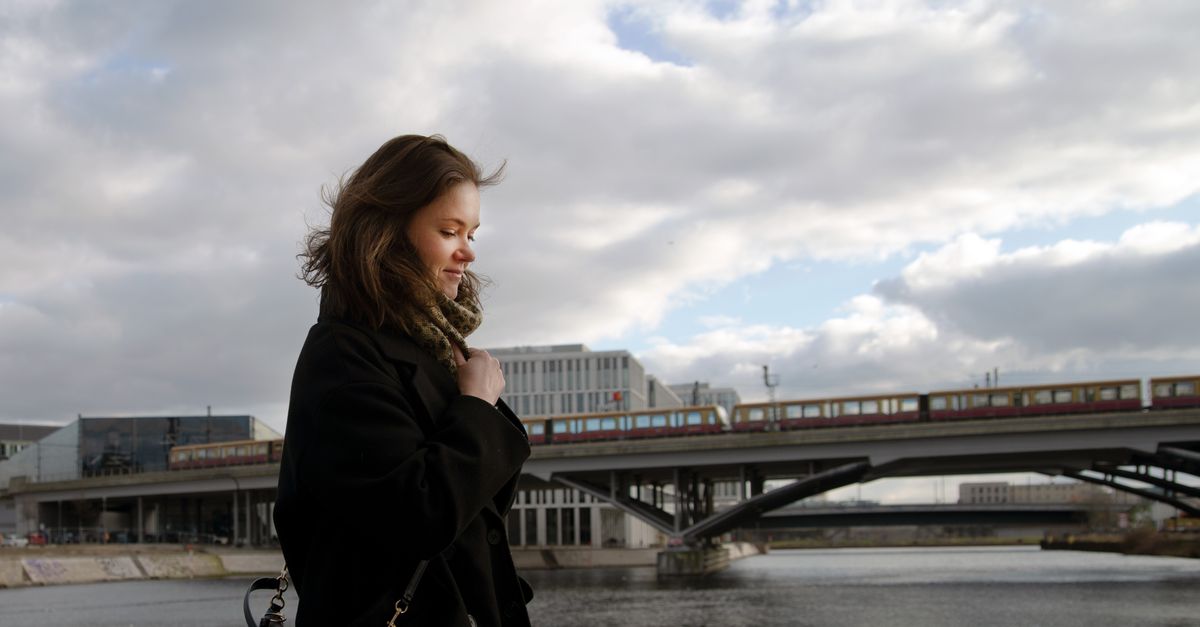
Berlin’s techno scene remains a vibrant and essential part of the city’s cultural identity in 2026, with clubs like Berghain and Sisyphos continuing to draw keen residents eager to experience electronic music in its purest form. For those living in the city, knowing when and where to go is crucial for navigating these high-demand spaces.
Following the lifting of pandemic-era restrictions and the return of international tourists this year, Berlin’s nightlife has seen a surge in activity. However, local clubgoers are responding to a competitive scene where door policies and event schedules frequently change. This resurgence matters because clubs are not just entertainment spots—they are incubators of culture, creativity, and community in neighborhoods like Friedrichshain and Kreuzberg.
In addition, rising operating costs have prompted venues to adjust entry fees and event formats. As of July 2026, many clubs now require online ticket purchases or pre-registrations, a shift from previous walk-in policies. For residents, this means preparation and insider knowledge can make the difference between a successful night out and disappointment.
Berghain, situated on Am Wriezener Bahnhof near Ostbahnhof, remains the pilgrimage site for techno lovers. Known for its notoriously selective door policy, the club focusses on long, uninterrupted sets often lasting into midday. Entry costs €20, with drinks ranging from €4 to €9. Residents benefit from the club’s Wednesday and Sunday events, which are often less crowded and more accessible compared to peak weekend nights.
Another prominent venue, Sisyphos, is located on Haupstrasse in the Lichtenberg district. This sprawling open-air complex offers a different vibe, mixing industrial sound with outdoor stages and even a small lake area. Tickets typically cost €15–20, with seasonal opening hours from May through September catering well to warm-weather open-air parties. For those new to Sisyphos, arriving early in the weekend can avoid long lines that sometimes stretch over an hour.
A recent study by Technopolis Berlin found that nearly 65% of local techno club visitors now book entry tickets online in advance, compared to just 30% two years ago. This underscores a trend toward digital organization in response to heightened safety checks and increased demand. Furthermore, Berlin’s public transport network offers night S-Bahn and tram services that make clubs like Berghain and Sisyphos accessible without needing a taxi, with single tickets starting at €3 for a short trip within city limits.
For residents on a budget, many clubs host daytime or weekday events with discounted entry fees, which hover around €10. Platforms such as Resident Advisor and Berlin Club Commission provide up-to-date event calendars and membership or loyalty programs that sometimes cut down costs or guarantee entry.
On the practical side, dressing down and embracing Berlin’s understated style remains key to passing door policies, especially in Berghain’s selective environment. Avoiding large groups and arriving solo or in pairs increases chances of entry, according to club-going veterans interviewed by insiders.
For those ready to explore Berlin’s techno clubs, first steps include subscribing to venue newsletters and checking social media channels for last-minute updates on events and entry requirements. Financially, budgeting around €40–50 per club night—covering tickets, drinks, and transport—is advisable for an authentic experience.
Early arrival at clubs outside the peak weekend slots can ease waiting times. Locals should also consider exploring newer venues like Kater Blau, which offers a vibrant alternative on the banks of the Spree with a €15 entry price and a more laid-back door policy.
Ultimately, Berlin’s techno scene remains a dynamic, evolving cultural hub. Residents willing to invest time learning the venues’ rhythms will be rewarded with unforgettable nights underscored by cutting-edge music and a deeply communal atmosphere.
How does this story make you feel?
Spread the word
About this article
Published by The Daily Berlin
Daily brief
Free, in your inbox before 7am. Weekdays.
More in lifestyle