lifestyle
Berlin Techno Clubs: Your Guide to 5 Legendary Neighborhoods
From Friedrichshain's industrial warehouses to Kreuzberg's intimate basements, here's how to navigate the city's clubbing landscape without getting lost in the hype.
How we reported this
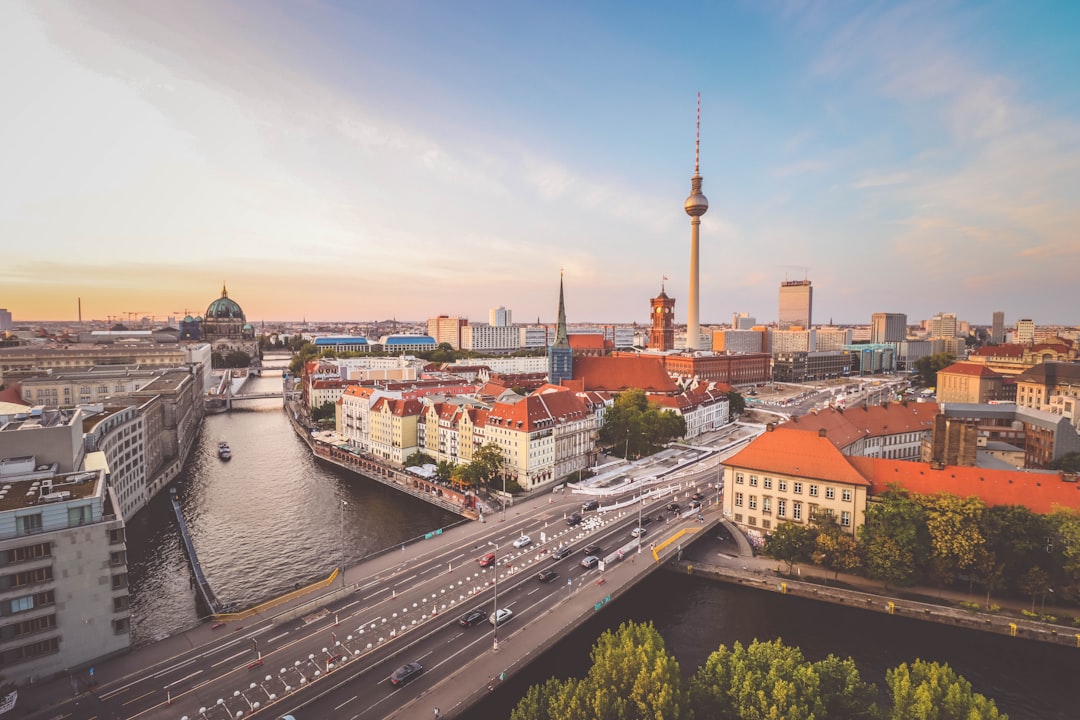
Berlin's techno scene isn't getting smaller. If anything, the past eighteen months have seen a peculiar reshuffling of the city's club geography, with new venues opening in unexpected corners while some established names have quietly shuttered. For residents wanting to understand what's happening on their doorstep-and where they might actually enjoy a night out-the map has changed enough to warrant a proper look.
The timing matters. With summer heat already disrupting events across the Atlantic and international tourists arriving in record numbers, Berlin's clubs are experiencing their own version of demographic shift. Locals increasingly find themselves navigating crowds that have swollen beyond what many neighbourhood venues were designed to hold. Understanding which clubs still function as genuine community spaces-rather than Instagram photo ops-requires getting specific about location, capacity, and actual neighbourhood character.
The Geography of Sound
Friedrichshain remains the epicentre of warehouse culture. RAW-Gelände, the sprawling complex built on abandoned rail yards along Friedenstraße, continues to anchor the eastern electronic music scene. The site hosts everything from established clubs like Salon zur Wilden Renate to rotating pop-up events. Entry typically runs 10 to 15 euros before midnight, though bigger headline nights push to 25 euros. The neighbourhood itself-raw, industrial, populated by artists and long-term renters-still functions as a genuine base for the scene rather than a tourist attraction.
Kreuzberg offers something different. The densely packed, politically charged neighbourhood around Kottbusser Tor has spawned dozens of basement and ground-floor clubs operating with varying degrees of formality. SO36, located at Oranienstraße 190, remains among the most established. Founded in 1978 and now run as a cultural institution, SO36 hosts techno events alongside live music and political events. Capacity sits around 600. The venue explicitly maintains a no-phone, no-photography policy during electronic music events-a practical stance that shapes the actual experience versus the social media version.
Charlottenburg-Wilmersdorf and Wedding have developed quieter but resilient scenes. Wilde Renate's counterpart, Renate, sits in a converted factory in Friedrichshain's Ostkreuz area. Meanwhile, Wedding's Sisyphos-technically in the Prenzlauer Berg direction but with a decidedly working-class ethos-operates more as a cultural garden and workshop space than a traditional club, with techno events occupying specific weekend slots rather than running nightly.
What the Numbers Actually Show
Berlin's Club Commission, the advocacy organisation representing venues, reported in late 2025 that the city housed approximately 130 registered clubs. Not all run techno; many host hip-hop, house, or experimental electronic music. Of those 130, roughly 40 operate primarily in converted industrial or residential spaces rather than purpose-built venues-a ratio that explains why the scene feels fractured geographically. You don't stumble onto Berlin's best clubs. You have to know the street, sometimes the building code.
Capacity matters practically. Venues under 500 capacity-like the basement clubs dotting Kreuzberg-tend to feel communal. Those above 1,500 attract promoters focused on international DJs and tourists. The sweet spot for neighbourhood character sits between 300 and 800 capacity. Most established residents prefer this range because it allows actual conversation, recognisable faces, and something resembling community rather than spectacle.
Door policies vary wildly. Some clubs operate strict dress codes; others enforce strict no-photography rules. Knowing which is which before heading out saves frustration. Most venues now list policies on their Resident Advisor pages or Instagram accounts-though Berlin's club scene still operates through word-of-mouth more than digital marketing. Following neighbourhood Facebook groups, checking Resident Advisor's Berlin forum, or asking at local record shops like Hard Wax in Friedrichshain provides more reliable information than generic tourism guides.
For residents genuinely curious about participation rather than novelty-seeking, the practical approach is straightforward: pick a neighbourhood you already know, research two or three established venues there, then commit to attending once. You'll either connect with the particular vibe or move on to try another area. Berlin's club scene survives because locals keep showing up. Tourists come and go. The neighbourhoods remain.