The Unique Pulse of Berlin’s Techno Clubs: Why No Other City Comes Close
Exploring what sets Berlin’s techno scene apart in 2026, from its historic venues to its underground spirit.
Exploring what sets Berlin’s techno scene apart in 2026, from its historic venues to its underground spirit.
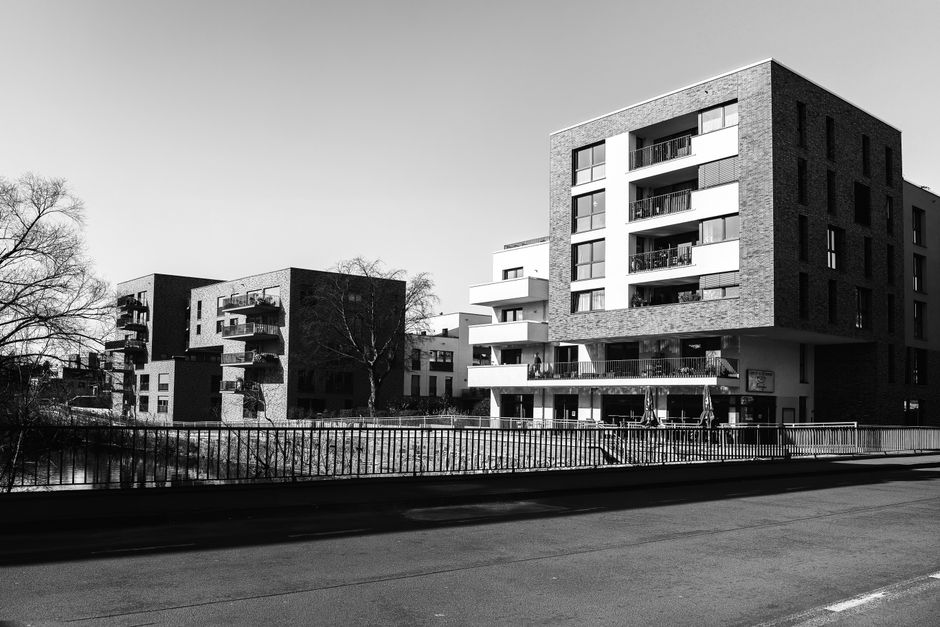
Berlin remains the global capital of techno music in 2026, attracting visitors and artists with a club culture rooted in history, community, and experimentation. Venues like Berghain and Sisyphos continue to define the city’s reputation, not just as nightlife spots but as cultural institutions embodying Berlin’s unique blend of openness and resilience.
As international travel rebounds strongly this summer, Berlin’s techno scene stands out amid a crowded global club market. With festivals and electronic music events mounting across Europe, the city’s scene draws attention for its ability to keep underground values alive. This year marks the 20th anniversary of Berghain’s opening, a milestone that has rekindled discussion about what keeps Berlin’s electronic music culture distinct and why global visitors prioritize it over newer scenes elsewhere.
The techno culture in Berlin stems from the city’s divided history and subsequent reunification, which infused the club scene with a spirit of rebellion and freedom. Berghain, housed in a former power plant on Am Wriezener Bahnhof, is renowned for its notoriously selective door policy-emphasizing artistic expression over celebrity-and marathon parties stretching well into daylight hours. Meanwhile, Sisyphos in Rummelsburg offers a contrasting open-air experience on weekends with sprawling outdoor spaces and a carnival-like atmosphere, fostering an inclusive community vibe absent from mere commercial venues.
These venues operate under a philosophy that resists commercialization. Their admission fees range from €12 to €20, modest compared to mega clubs in places like Ibiza or Las Vegas, allowing a broader demographic access to quality music and culture. The clubs’ security and sound system standards also reflect years of accumulated expertise, ensuring optimal audio experiences without sacrificing the underground authenticity that defines Berlin techno.
According to the Berlin Club Commission, there are approximately 120 licensed clubs dedicated primarily to electronic music across the city, with techno the dominant genre in about 85% of them. The city’s techno clubs collectively host over one million visitors annually, bolstering Berlin’s reputation as a top nightlife destination with an economic impact estimated at €500 million per year.
This sustained popularity is striking in a city where sound curfews and zoning laws have forced many other European nightlife scenes to close or tone down. Berlin’s flexible approach, often based on dialogue between club owners, the municipality, and neighbourhood associations, allows venues to operate late into the early morning hours. This regulatory environment, combined with the city's affordability-average entry fees and drink prices remain well below other European capitals-helps maintain the scene’s vitality.
Compared to global competitors, Berlin’s scene preserves the delicate balance between cutting-edge audio innovation and grassroots community development, attracting both techno purists and new audiences.
For those planning a visit or looking to dive deeper locally, exploring two distinct clubs is essential. Berghain, located at Am Wriezener Bahnhof, offers an intense, dark ambiance famous for housing some of the most talented DJs worldwide. Tickets cost around €18 with the door policy still as enigmatic as ever; arriving solo and embracing the venue’s culture increases the chance of entry. Sisyphos, found on Hauptstraße in the Lichtenberg district, opens its doors for extended weekend sessions with tickets typically €15 and is ideal for those seeking a more relaxed vibe with lakeside dancing and communal art installations.
As Berlin prepares for its renowned electronic music festival this September, the city's clubs gear up to showcase new talent alongside established names. For locals and visitors alike, experimenting with lesser-known venues like ://about blank in Friedrichshain or Kater Blau in Kreuzberg can also reveal fresh facets of Berlin’s techno ecosystem.
Online platforms like Resident Advisor and local Berlin nightlife forums provide updated event listings and insider tips, helping newcomers navigate the sprawling scene. Whether it’s the raw power of Berghain’s sound system or the inclusive energy of Sisyphos’ outdoor parties, Berlin’s techno clubs continue to prove why this city remains unmatched on the world stage.
How does this story make you feel?
Spread the word
About this article
Published by The Daily Berlin
Daily brief
Free, in your inbox before 7am. Weekdays.
More in lifestyle