Best Techno Clubs in Berlin: Inside Look at Neighbourhood Character and Community Vibe
Exploring how Friedrichshain and Kreuzberg's local flavour shapes the city's top techno venues.
Exploring how Friedrichshain and Kreuzberg's local flavour shapes the city's top techno venues.
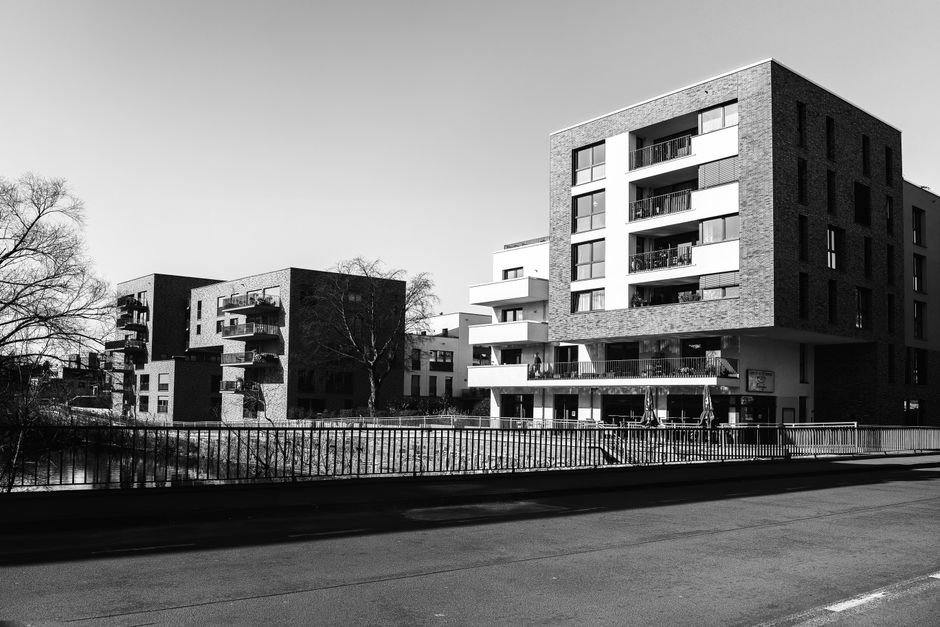
Berlin's techno scene remains a pulsating heart of the city's nightlife, with clubs like Berghain and Sisyphos drawing thousands weekly. Yet, beyond the music, the character of their surrounding neighbourhoods-Friedrichshain and Kreuzberg-are fundamental in shaping each club's communal atmosphere and cultural identity.
This year marks five decades since the fall of the Berlin Wall, a moment that catalysed the city’s transformation into a global techno mecca. As Berlin reflects on its reunification history, there's heightened interest in how local communities maintain the city's status as the world capital of underground electronic music, especially amid urban development pressures that threaten these vibrant districts.
The district of Friedrichshain, home to Berghain-often called the world's most famous nightclub-is steeped in post-industrial history. The club occupies a former power plant on Am Wriezener Bahnhof, a site that embodies the district’s industrial past. This backdrop underpins Berghain’s raw, minimalist aesthetic and strict door policy that cultivates a focused, almost spiritual experience.
Community groups such as the Friedrichshain-Kreuzberg Cultural Office actively work to preserve the area's gritty charm and affordable creative spaces. Local initiatives like the annual ‘Techno & Culture Festival’ on Karl-Marx-Allee aim to bridge club culture with wider public art and community welfare, highlighting the district’s interconnectedness.
Sisyphos, positioned on Hauptstraße near the river Spree, contrasts with Berghain by promoting an open-air, festival-style vibe that draws a diverse cross-section of locals and tourists. The neighbourhood’s mixture of industrial zones and green spaces fosters a relaxed environment that extends beyond the music, with food stalls, art installations, and communal relaxation areas.
Kreuzberg’s SO36 area is synonymous with a long tradition of counterculture and political activism. Clubs like About Blank mirror this spirit with an inclusive approach and close ties to local advocacy groups, often hosting events that double as fundraisers for social causes. About Blank's garden area, tucked away on Markgrafenstraße, provides an oasis where neighbours mingle freely, reflecting Kreuzberg’s diverse population and communal ethos.
The club scene here is shaped by Kreuzberg’s immigrant heritage and vibrant street art, dotted along Oranienstraße, one of the borough’s main arteries. Urban initiatives such as the Kreuzberg Urban Development Project have been instrumental in enabling affordable artist residencies and preserving venues that might otherwise succumb to rising rents.
According to a 2026 report by the Berlin Senate Department for Culture and Europe, nearly 40% of nightlife venues in Friedrichshain-Kreuzberg face threats from gentrification and rising property costs. Yet, efforts to designate zones as cultural heritage sites could protect clubs and their integral community fabric in the coming years.
Entry prices for these clubs typically range from €15 to €25 on weekends, with events commonly extending into the early hours-Kreuzberg's About Blank famously stays open until noon Sunday. Seasonal factors also influence crowd sizes, with summer gatherings at Sisyphos and About Blank's open-air areas becoming significant draws.
For those keen on exploring Berlin’s techno scene with an eye on local vibes, visiting on weekdays or early in the night can offer a more authentic feel and opportunities to chat with residents and artists. Staying in nearby hostels or boutique accommodations on Simon-Dach-Straße in Friedrichshain or along Bergmannstraße in Kreuzberg places visitors in walking distance to these key cultural hubs.
As Berlin approaches the 2026 International Club Culture Summit this September, local stakeholders continue to debate balancing preservation and modernization. Meanwhile, for now, the city’s techno clubs remain immersive spaces where neighbourhood histories and communal identities are as alive as the relentless beat.
How does this story make you feel?
Spread the word
About this article
Published by The Daily Berlin
Daily brief
Free, in your inbox before 7am. Weekdays.
More in lifestyle